













Nightstand to Handbag: Best Storage Practices for Readers
TL;DR: The Three Rules of Reader Storage
- Always Use a Hard Case: Soft pouches prevent scratches but not crushing. A rigid case is essential when your glasses are in a bag, pocket, or car.
- Clean, Dry, Dark: Before storing, wipe lenses with a microfiber cloth to remove corrosive oils. Keep them in a low-humidity spot away from direct sunlight or extreme heat.
- One Spot, Every Time: Designate a specific home for your glasses—like a tray on your nightstand or a caddy on your desk—to prevent misplacement and accidental damage.
Reading glasses are a daily necessity for millions, yet they are often treated as disposable accessories. We lose them, we sit on them, and we toss them onto abrasive surfaces. The result is a frustrating cycle of scratched lenses, bent frames, and constant replacement. But what if you could significantly extend the life of your favorite pair with a few simple habits?
Proper storage is not just about avoiding catastrophic damage; it's about preserving the optical clarity and structural integrity of a device you rely on for clear vision. This guide provides practical, scenario-based advice to protect your readers, whether they're on your nightstand, in your handbag, or at the office.
The Cardinal Sins of Eyeglass Storage: Common Habits That Wreck Your Readers
Many common habits are silent destroyers of reading glasses. Recognizing and avoiding these practices is the first step toward long-term care.
Mistake #1: Placing Glasses Lens-Down
A frequent mistake is setting glasses down with the lenses touching the surface. Even a seemingly smooth table or countertop is covered in microscopic dust and grit. This abrasive layer acts like fine-grit sandpaper, creating a web of micro-scratches on your lenses every time you set them down. These tiny scratches accumulate, eventually scattering light and reducing visual clarity.
Mistake #2: The Pocket or Handbag Toss
Tossing your readers unprotected into a pocket or handbag is a recipe for disaster. Keys, coins, pens, and other loose items are guaranteed to scratch the lenses. Furthermore, the pressure inside a packed bag can easily exceed the yield strength of the frame material, causing temples to bend or the frame to warp. According to The Vision Council, spectacle frames and lenses undergo a precise manufacturing process; this precision is quickly undone by physical force.

Mistake #3: The Car Dashboard Danger Zone
Leaving your glasses on the car dashboard is one of the fastest ways to destroy them. On a sunny day, the interior of a car can reach extreme temperatures. This intense heat can cause plastic or acetate frames to soften and lose their shape. It can also damage the delicate coatings on your lenses—such as anti-reflective or UV-protective layers—causing them to bubble, peel, or delaminate.
Mistake #4: The Shirt Collar Perch
Hooking your glasses onto your shirt collar or perching them on top of your head feels convenient, but it's an unstable solution. A simple turn of your head or bending over can send them tumbling to the ground. This often results in scratched lenses, broken frames, or misaligned temples, compromising the fit and function of your eyewear.
The 'Clean, Dry, Dark' Rule: A Simple Framework for Perfect Storage
For effective, long-term care, remember this simple mantra: "Clean, Dry, and Dark." This framework addresses the three primary enemies of your eyewear: corrosive oils, moisture, and damaging heat/light.
Clean: Wipe Away Corrosive Oils and Debris
Before you store your glasses, get into the habit of wiping them down. Your skin produces natural oils that, along with dust and grime, accumulate on the lenses and frame. These oils are slightly acidic and can slowly degrade the sensitive coatings on your lenses over time.
Best Practice: Use a clean, dry microfiber cloth. Unlike paper towels or the corner of your shirt, which can have abrasive fibers, microfiber is designed to lift away oils and dust without scratching. Regularly wash your cloth to ensure it doesn't just redistribute trapped grit back onto your lenses.
Dry: Avoid Humidity and Corrosion
Moisture is a hidden enemy, especially for frames with metal components. Storing your glasses in a humid environment, like a bathroom, can lead to the corrosion of metal hinges and screws. This can make the temples stiff and difficult to fold or, in worse cases, cause them to seize up entirely. Always store your glasses in a place with low humidity.
Dark: Protect from Heat and Sunlight
As noted with the "dashboard danger zone," heat and direct UV light are incredibly damaging. They can warp frames and, according to research on material durability, can even degrade the UV-blocking properties embedded in some lens materials over long exposure periods. A study published in SPIE on the resistance of lenses to irradiance highlights that materials can lose efficacy after prolonged exposure. Storing your glasses in a dark place like a case or drawer protects them from both heat and light-induced damage.
Scenario-Based Storage: The Right Place for Every Pair
Protecting your reading glasses means adapting your storage strategy to your location and activity. A method that works at home may not be sufficient when you're on the move.
At Home: The Designated Safe Zone
At home, the biggest risk isn't crushing damage but misplacement and accidental knock-overs. The solution is to create a designated "landing spot" for your glasses.
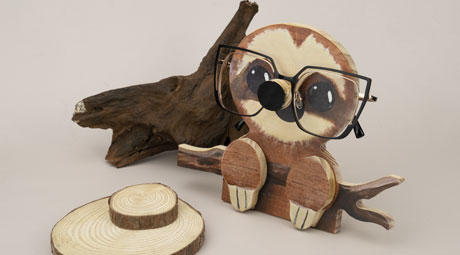
- On the Nightstand: Instead of leaving your readers loose, place them in a valet tray or an open hard case. This small boundary prevents them from being swept to the floor in the middle of the night.
- In the Living Room or Office: Avoid leaving glasses on the arm of a chair or on top of a stack of papers. A desk caddy, a specific drawer, or a decorative box on a shelf are all excellent options for keeping your glasses safe and accessible. For those who follow the AARP's advice of using multiple pairs for different tasks (e.g., one for the computer, one for reading), having separate, designated spots is even more critical.
On the Go: The Non-Negotiable Hard Case
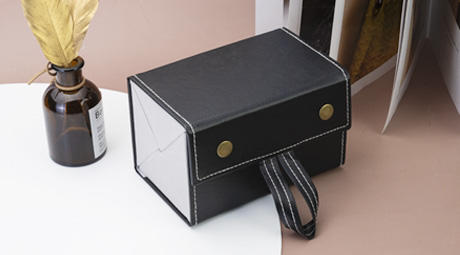
When you leave the house, a hard-shell case is not optional—it's essential. Soft pouches or sleeves can prevent minor scratches, but they offer zero protection from the compression and impact forces inside a purse, backpack, or briefcase. The force from a packed bag can easily snap a frame or pop out a lens. A rigid case provides the structural protection needed to keep your glasses safe from bending and crushing.

In the Car: The Glove Compartment Rule
If you must leave a pair of readers in your car, the only safe place is inside a hard case within the glove compartment or center console. These areas are shielded from direct sunlight and do not experience the same extreme temperature spikes as the dashboard. This simple habit ensures you have a backup pair that remains in wearable condition. Remember, all eyewear sold in the U.S. must meet FDA impact-resistance standards, as outlined in 21 CFR 801.410, but this resilience is compromised by the material degradation caused by extreme heat.
Frequently Asked Questions (FAQ)
Q: Are soft pouches enough to protect my reading glasses? A: Soft pouches are only sufficient for preventing dust and minor scratches in a controlled environment, like inside a desk drawer. They provide no protection against crushing or impact. For transport in a bag or pocket, a hard case is always the superior choice.
Q: Why do my glasses get loose or crooked over time? A: While daily wear plays a role, improper storage and handling are major contributors. Perching glasses on your head can stretch the frame and loosen the arms. Storing them without a case often leads to one side of the frame bearing more weight, causing misalignment.
Q: Can I fix a bent frame myself? A: Minor adjustments can sometimes be done at home, but it's risky. Applying too much force can snap the frame or damage the hinge. For significant warping, it is always best to consult an optician who has the proper tools and expertise to safely adjust your frames without causing further damage.
Q: How often should I clean my eyeglass case? A: You should clean the inside of your case at least once a week. Dust, grit, and other debris can accumulate inside the case and scratch your lenses when you put them away. A quick wipe with a clean, dry cloth is usually sufficient.
This article is for informational purposes only and does not constitute professional medical advice. Consult with a qualified optician or eye care professional for any issues regarding your vision or eyewear.


