








Reducing Eye Redness with Daily Disposable Lenses
TL;DR: The Single Best Switch for Red Eyes
If you wear contact lenses and constantly struggle with red, itchy, or irritated eyes, the solution may be simpler than you think. Switching from monthly or bi-weekly lenses to daily disposables is often the most effective way to combat redness. By starting with a fresh, sterile lens every single day, you eliminate the primary causes of irritation: allergen buildup, protein deposits, and hygiene-related issues.
Are allergies and contacts leaving you with red, irritated eyes? Discover how making the switch to daily disposables can minimize the inflammation and deposit buildup that cause persistent redness.
Why Are My Contacts Making My Eyes Red?
That persistent, nagging redness isn’t just a cosmetic issue; it’s a sign that your eyes are fighting off irritation. For contact lens wearers, this irritation is often a direct result of the lenses themselves, especially when using reusable pairs. Eye-care professionals consistently observe that the top drivers of red eye complaints are lens reuse and improper hygiene.
The Problem with Reusables: A Magnet for Irritants
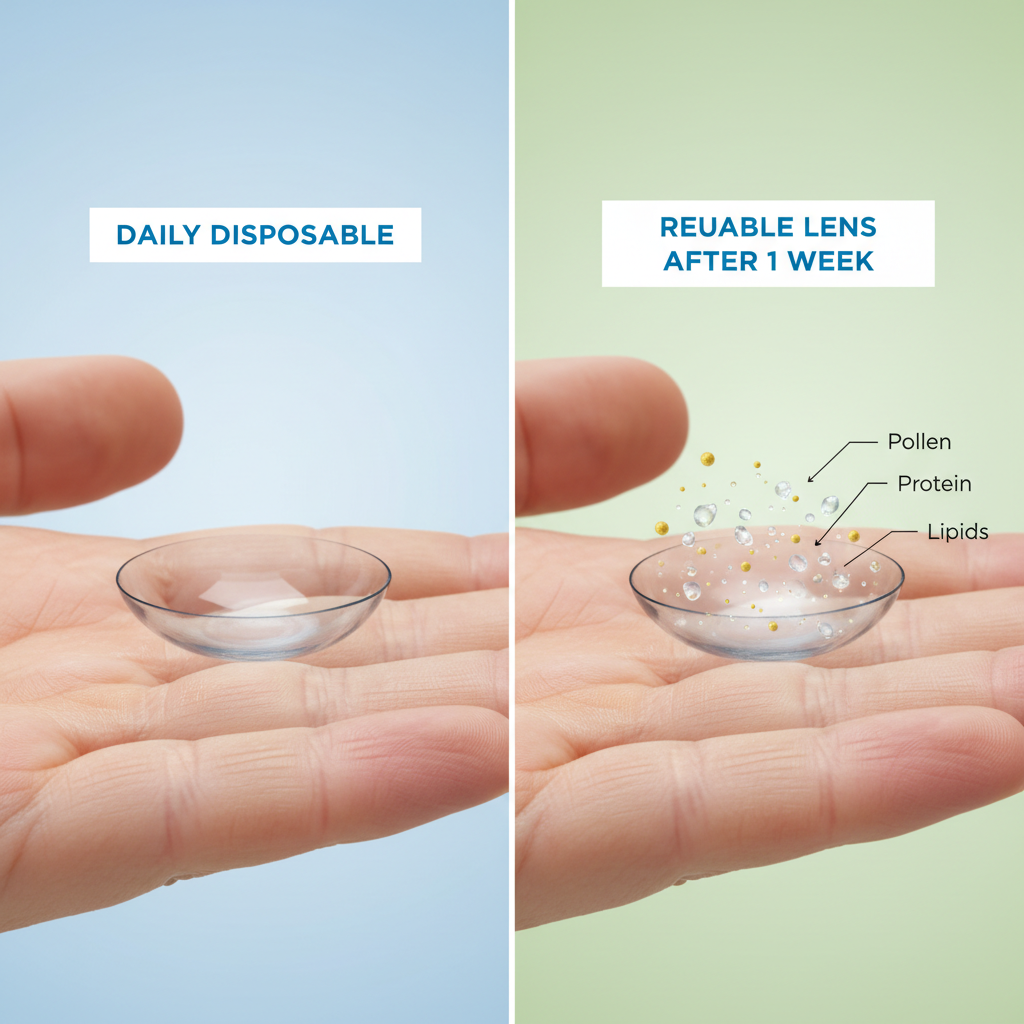
Think of a reusable contact lens like a tiny sponge. Over its two-week or month-long lifespan, it continuously absorbs and accumulates substances from your tear film and the environment. This includes:
- Proteins and Lipids: These natural components of your tears can build up on the lens surface, making it cloudy and creating a rough surface that irritates the cornea and eyelid.
- Allergens: Pollen, dust, and dander get trapped on and in the lens matrix. For allergy sufferers, this means your lens becomes a reservoir of irritants held directly against your eye all day long.
- Cosmetics and Pollutants: Makeup, lotions, and environmental pollutants can also adhere to the lens, contributing to inflammation.
This buildup, known as deposits, is a primary cause of conditions like Giant Papillary Conjunctivitis (GPC), where bumps form under the eyelid, leading to significant discomfort and redness.
The Hygiene Gap: The Reality of Lens Cleaning
Even the most diligent person can struggle to maintain a perfectly sterile cleaning routine. Research from the Centers for Disease Control and Prevention (CDC) is startling: an estimated 99% of contact lens wearers report at least one risky hygiene behavior. This can include anything from failing to "rub and rinse" properly to topping off old solution or storing lenses improperly.
These seemingly small lapses create an opportunity for bacteria and other microbes to thrive. According to the CDC, improper cleaning and lens care are major risk factors for microbial keratitis, a severe infection of the cornea that can lead to lasting vision damage.
The Oxygen Factor: When Your Eyes Can’t Breathe
Your cornea gets most of its oxygen directly from the air. A contact lens, especially an older, deposit-covered one, acts as a barrier. When oxygen supply is reduced (a condition called hypoxia), your eye tries to compensate by growing new blood vessels into the cornea in an attempt to supply more oxygen. This process, called neovascularization, is a direct cause of chronic eye redness.
The Daily Disposable Advantage: A Fresh Start Every Day
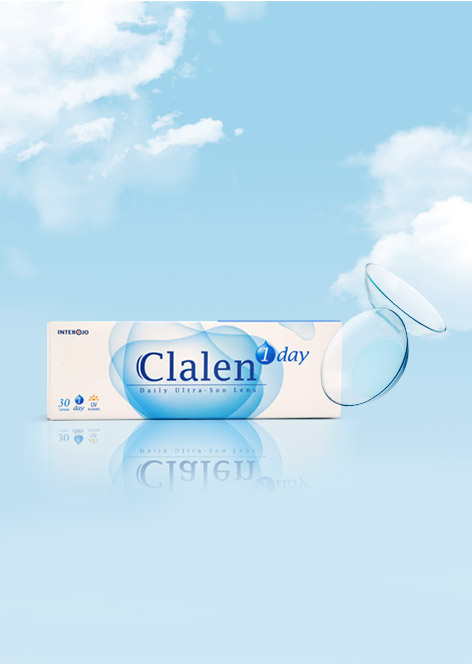
Daily disposable lenses solve these core problems by design. Because you discard them after a single use, there is no opportunity for deposits to accumulate and no need for cleaning, cases, or solutions. This provides a powerful combination of hygiene, comfort, and convenience.
Unbeatable Hygiene, Zero Effort
The single greatest benefit of dailies is the elimination of the cleaning routine. You start each day with a brand-new, sterile lens straight from its packaging. This simple act drastically reduces the risk of infection.
Expert Warning: Never Reuse Daily Disposables
A common but dangerous misconception is that you can "stretch" the use of daily disposables by cleaning and storing them. This completely negates their safety benefits. A study investigating this practice found that 95% of reused daily disposable lenses became contaminated with bacteria like Staphylococcus. Storing them in the saline from their blister pack is not a substitute for proper disinfection and invites serious infection.
Superior Comfort for Allergy and Dry Eye Sufferers
For those with seasonal allergies, daily disposables are a game-changer. By discarding the lens each night, you also discard all the pollen and allergens that have collected on it throughout the day. This prevents re-introducing irritants to your eyes each morning.
Similarly, for individuals with dry or sensitive eyes, modern daily disposables offer significant advantages. Many are made from advanced silicone hydrogel materials with a high Dk/t value (a measure of oxygen permeability), allowing more oxygen to reach the cornea. Manufacturers also incorporate "wetting agents" or surface treatments that improve moisture retention, keeping the lens comfortable for longer, even during extended screen time.

A Practical Comparison: Daily Disposables vs. Reusable Lenses
To make the right choice, it helps to see the trade-offs side-by-side.
| Feature | Daily Disposable Lenses | Reusable Lenses (Monthly/Bi-Weekly) |
|---|---|---|
| Hygiene | Highest; new sterile lens every day. | Lower; dependent on perfect user cleaning. |
| Deposit Buildup | None. | Significant buildup of proteins, lipids, allergens. |
| Infection Risk | Lowest, when used correctly. | Higher, due to handling and potential contamination. |
| Allergy Comfort | Excellent; allergens are discarded daily. | Poor; lenses act as a reservoir for irritants. |
| Convenience | Highest; no cleaning or solutions needed. | Requires daily cleaning, rubbing, and rinsing. |
| Long-Term Cost | Higher upfront cost for lenses. | Lower lens cost, but requires solutions and cases. |
Making the Switch to a Clearer, More Comfortable Experience
If you’re ready to leave red eyes behind, transitioning to daily disposables is a straightforward process. A common clinical approach for patients with unexplained redness is to trial daily disposables for 2-4 weeks to see if symptoms improve.
-
Consult Your Eye Doctor: First and foremost, schedule an appointment. All contact lenses are regulated as medical devices by the FDA and require a specific prescription. Your doctor will perform a fitting to ensure the new lenses are the correct size, shape, and material for your unique eyes.
-
Discuss Your Lifestyle: Be open with your doctor about your symptoms, your work environment (e.g., long hours in front of a computer), and your history with allergies. This will help them recommend the best type of daily disposable lens for your needs, whether it’s a silicone hydrogel for maximum oxygen or a lens with enhanced moisture for dryness.
-
Understand the Value: While the initial price of a 90-day supply of dailies may seem higher than a box of monthlies, it’s important to consider the total cost. With dailies, you no longer need to purchase bottles of cleaning solution or contact lens cases, and you significantly reduce your risk of incurring medical bills from treating a preventable eye infection.
Wrapping Up: Your Best Defense Against Contact Lens Redness
For contact lens wearers, achieving consistently clear, white, and comfortable eyes is possible. The evidence and clinical experience are clear: daily disposable lenses offer the best defense against the deposit buildup and microbial contamination that cause chronic redness and irritation.
By providing a fresh, sterile, and highly breathable lens every single day, dailies are an investment in both your comfort and your long-term eye health. If you’re tired of seeing red in the mirror, it’s time to talk to your eye care professional about making the switch.
Frequently Asked Questions (FAQ)
Can I sleep in daily disposable lenses? No. Unless specifically prescribed by your doctor for overnight wear (a rare practice), you should never sleep in any contact lens. Sleeping in lenses dramatically increases the risk of severe eye infections. One landmark study found that overnight wear increases the risk of ulcerative keratitis by over 8 times compared to daily wear.
Do I still need sunglasses if my contacts have UV protection? Yes. While some contact lenses offer UV protection, they do not cover your entire eye or the sensitive skin around it. You still need to wear UV-blocking sunglasses for complete protection against conditions like cataracts and eyelid cancers.
What if my eyes are still red after switching to dailies? If redness persists, it’s crucial to see your eye doctor. The issue could be related to the specific lens material, the fit of the lens, an underlying dry eye condition, or a separate medical issue that needs to be addressed.
Disclaimer: This article is for informational purposes only and does not constitute professional medical advice. Always consult with a qualified eye care professional for any issues concerning your eye health, and before starting or changing your contact lens type. Do not wear contact lenses if you have a pre-existing eye infection or certain other medical conditions.


