





Reflected UV: Eye Safety for Water & Snow Sports
TL;DR: Your Quick Guide to Eye Safety on Water & Snow
- The Threat is Real: Snow and water act like mirrors, doubling your UV exposure and risking both short-term "snow blindness" and long-term eye diseases.
- Look for "UV400": This is the only label that guarantees 100% protection against all harmful UVA and UVB rays. Lens darkness means nothing for UV safety.
- Polarization is Key for Water: It cuts reflected glare, reducing eye strain and improving visibility. For snow, it helps with contrast but can hide icy patches, so test them first.
- Fit is Everything: Choose large, wraparound frames to block light from the sides, top, and bottom. A snug fit is more protective than a dark tint.
- Choose the Right Lens Color (VLT): Select lens darkness based on conditions. Darker tints (8-20% VLT) are for bright, sunny days, while lighter tints are for variable or overcast weather.
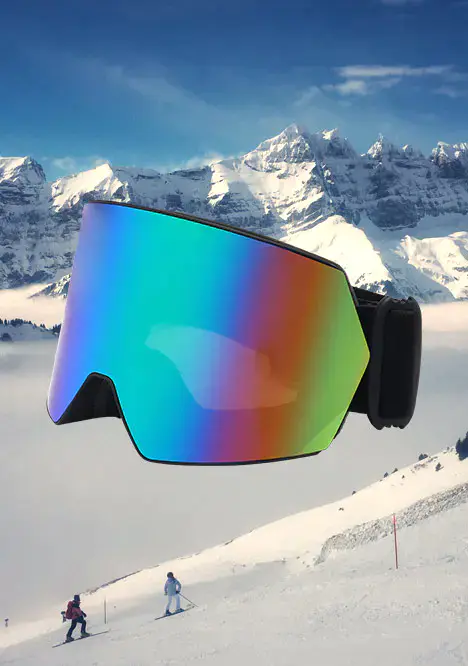
Activities on water and snow are exhilarating, but they come with a hidden danger: intense, reflected ultraviolet (UV) radiation. The brilliant white of a ski slope or the shimmering surface of the ocean acts as a giant mirror, reflecting UV rays directly into your eyes. This amplified exposure can be significantly more damaging than direct sunlight alone, making high-performance sunglasses not just an accessory, but an essential piece of safety equipment.
Many people underestimate this risk, thinking any dark lens will do. However, protecting your vision from conditions like photokeratitis (a painful sunburn of the eye) and preventing cumulative, long-term damage that can lead to cataracts requires a deeper understanding of the technology in your eyewear. This guide will break down the science of reflected UV, explain the critical features to look for in performance sunglasses, and provide a clear framework for choosing the right protection for your adventures.
The Invisible Hazard: How Reflected UV Damages Your Eyes
Sunlight contains invisible ultraviolet radiation, primarily UVA and UVB rays, which can harm sensitive tissues. While we feel the sun's heat, we don't feel UV radiation causing damage. Environments like open water and snowy landscapes dramatically increase this threat.
According to the American Academy of Ophthalmology (AAO), snow can reflect up to 80% of UV rays, nearly doubling your exposure. Water and sand are also highly reflective. This means your eyes are being bombarded from above and below.
Immediate Risk: Photokeratitis (Snow Blindness)
Intense, short-term exposure to reflected UV can cause photokeratitis, essentially a sunburn on your cornea. Symptoms often appear hours later and include:
- Severe eye pain or a gritty, sandy feeling
- Extreme sensitivity to light (photophobia)
- Excessive tearing and redness
- Blurry vision and swollen eyelids
While incredibly painful, photokeratitis is usually temporary. However, it serves as a serious warning sign that your eyes have sustained damage.
Long-Term Consequences of Unprotected Exposure
The real danger of UV radiation is its cumulative effect. Years of exposure, even in small doses, can contribute to serious, vision-threatening conditions.
- Cataracts: This clouding of the eye's natural lens is strongly linked to a lifetime of UV exposure. Research published in the journal Photochemistry and Photobiology details how UV light triggers a glycation process that causes the lens to yellow and harden over time. A study in Taiwan found that individuals who didn't wear sunglasses had a 57% increased risk of cataracts.
- Pterygium ("Surfer's Eye"): This is a fleshy growth on the white of the eye that can advance over the cornea and interfere with vision. It is directly associated with UV exposure, particularly the "Peripheral Light Focusing" effect, where light entering from the side is concentrated onto the nasal part of the eye.
- Eyelid Cancers: According to MD Anderson Cancer Center, up to 10% of all skin cancers occur on the eyelids. Wearing large-framed sunglasses helps protect this delicate skin.
- Age-Related Macular Degeneration (AMD): While the link is less definitive than with cataracts, some research suggests that chronic exposure to high-energy visible blue light and UVA rays may contribute to retinal damage, accelerating AMD.
Decoding Protective Eyewear: More Than Just a Dark Lens
Effective protection goes far beyond a dark or mirrored finish. In fact, wearing dark lenses without proper UV filtering can be more dangerous than wearing no glasses at all. This is because the dark tint causes your pupils to dilate, allowing more damaging UV radiation to enter the eye. This is why understanding the technology is critical, as explored in the article on the hidden eye damage from uncertified sunglasses.
The UV400 Standard: Your Non-Negotiable Baseline
This is the most important feature to look for. A "UV400" or "100% UVA/UVB Protection" label means the lenses block all light rays with wavelengths up to 400 nanometers. This covers the entire spectrum of UVA and UVB rays. Some older or lower-quality standards only protect up to 380 nm, leaving a critical gap. Research has shown that the 380-400 nm range contains nearly half the sun's UV energy, making UV400 protection essential.
Polarization: Cutting Glare for Safety and Comfort
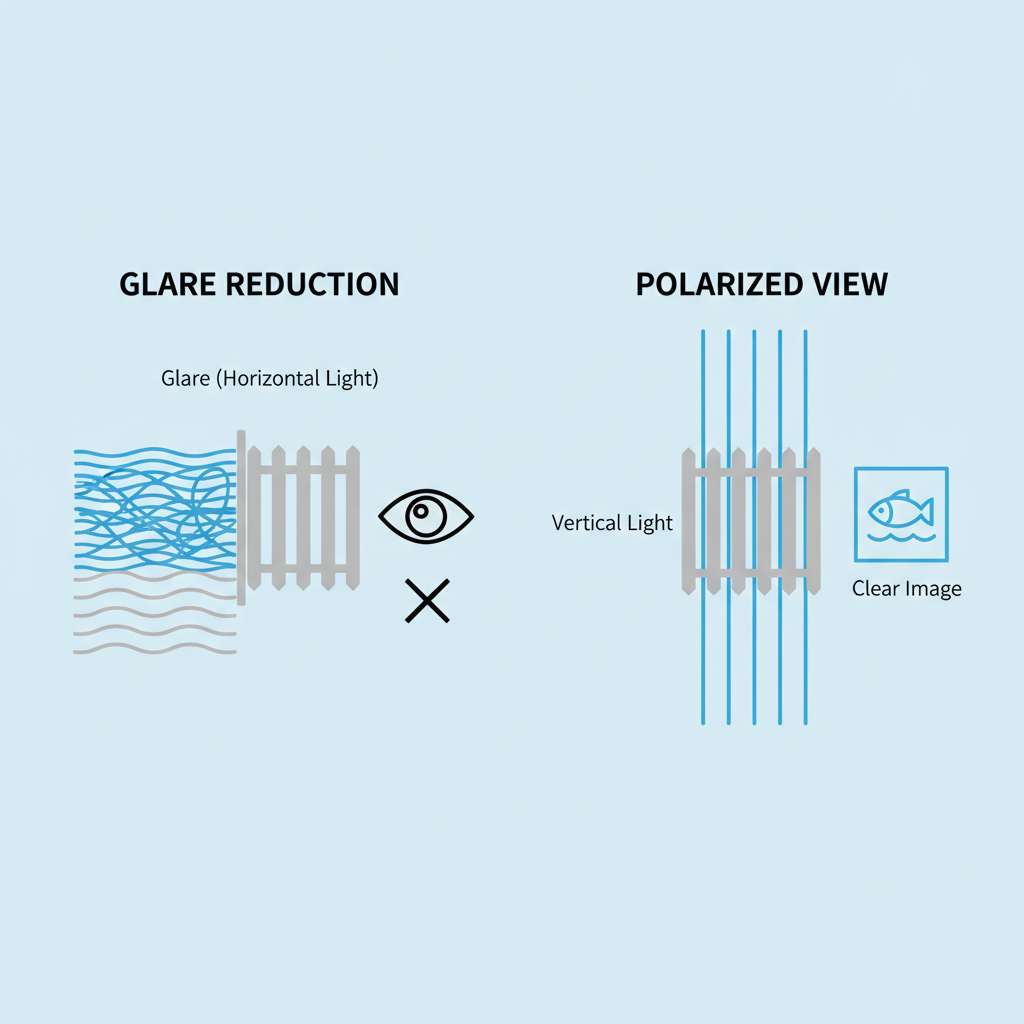
Glare is concentrated horizontal light that reflects off flat surfaces like water, snow, or asphalt. It washes out detail and causes significant eye strain. Polarized lenses contain a chemical filter that acts like a picket fence, blocking this horizontal light while allowing useful vertical light to pass through. For an in-depth explanation, see our article on polarized vs. UV protection.
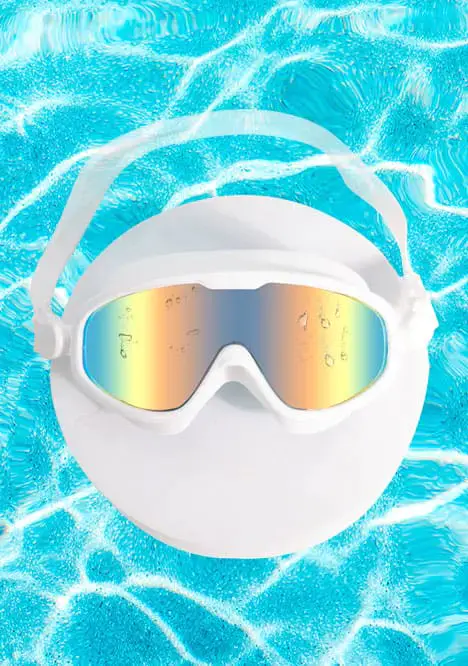
- On Water: Polarization is a game-changer, dramatically cutting surface glare to help you see into the water, spot hazards, and reduce squinting.
- On Snow: It enhances contrast and reduces glare, but with a caveat. Some skiers and snowboarders find that polarization can make it difficult to distinguish subtle textures, like patches of ice. The FAA also advises against polarized lenses for pilots as they can interfere with reading LCD screens.
Visible Light Transmission (VLT): Matching Your Lens to the Conditions
VLT refers to the percentage of visible light that passes through a lens. This is what determines how "dark" a lens appears. Choosing the right VLT is crucial for both comfort and performance.
| VLT Range | Condition | Best For | Lens Color Examples |
|---|---|---|---|
| 8% - 18% | Bright, Intense Sun | High-altitude snow, open ocean | Dark Gray, Green, Mirrored |
| 18% - 43% | All-Purpose / Variable | Sunny to partly cloudy days | Brown, Amber, Rose |
| 43% - 80% | Low Light / Overcast | Foggy or cloudy ski days, dawn/dusk | Yellow, Light Amber, Clear |
Fit Over Fashion: Why Frame Geometry Is Your Best Defense
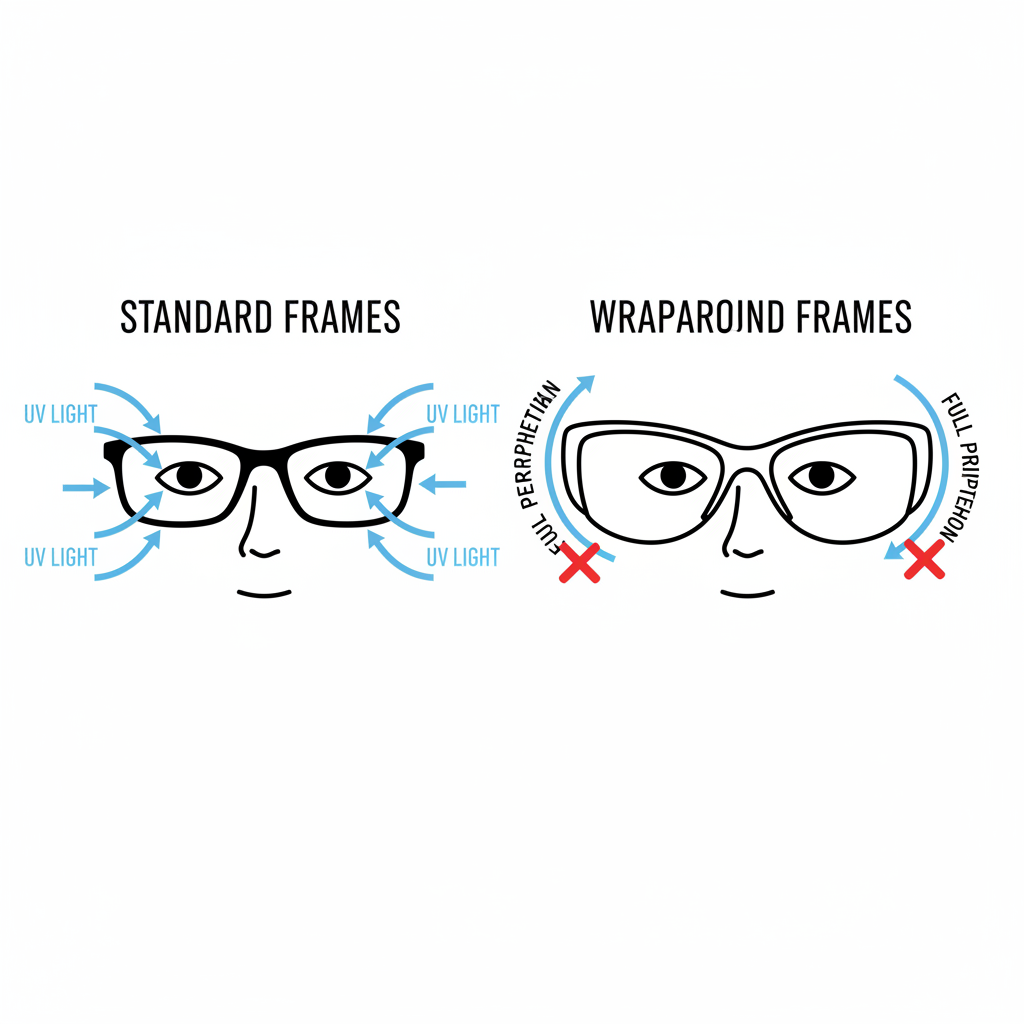
Even with the best lenses, your eyes aren't fully protected if UV rays can leak in from the sides. A 3D study using sensor-equipped mannequins found that frame shape was a dominant factor in overall eye protection. It revealed that standard, medium-sized frames offered the least protection due to significant peripheral light leakage.
For optimal safety, prioritize frame design:
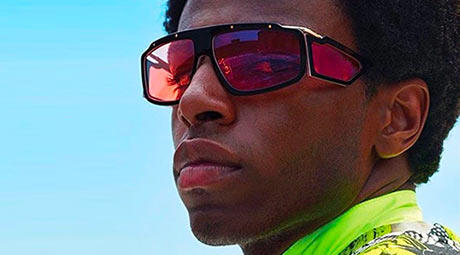
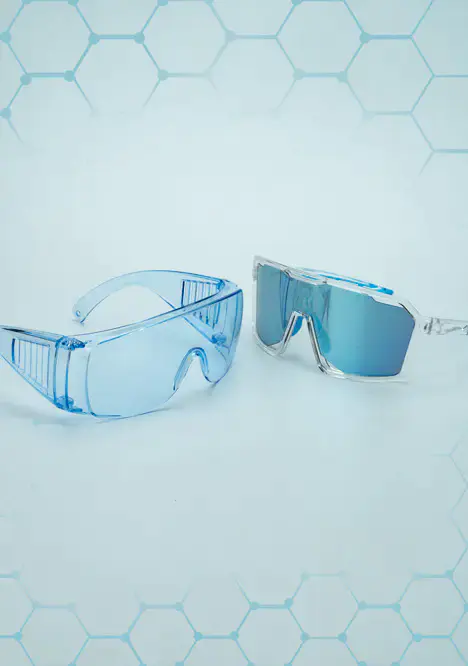
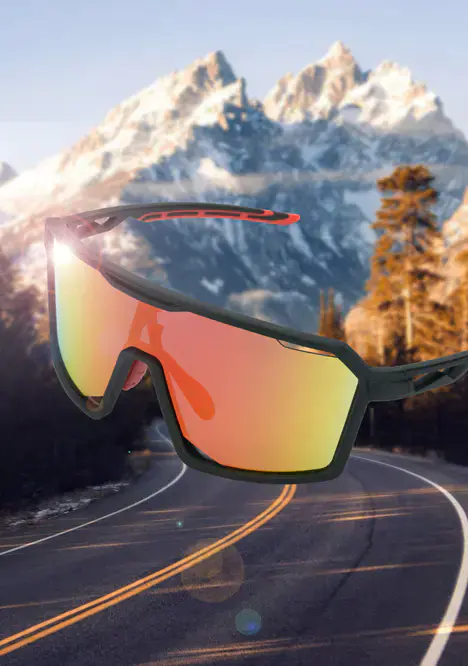
- Wraparound Styles: These frames curve to follow the contour of your face, providing the best possible barrier against light entering from the sides, top, and bottom.
- Large Lenses & Wide Temples: If you prefer a flatter frame, choose one with large lenses and wide arms (temples) to offer as much side coverage as possible.
- Close Fit: The frame should sit comfortably close to your face (within a 10-14mm vertex distance) to minimize gaps without your eyelashes touching the lenses.
Additionally, consider a back-surface anti-reflective (AR) coating. This specialized coating prevents UV rays that get behind you from reflecting off the back of your lenses and into your eyes—a surprisingly common and overlooked hazard.
Wrapping Up: A Smart Investment in a Lifetime of Vision
Choosing the right sunglasses for water and snow sports is not a matter of style; it's a critical health decision. The intense reflected radiation in these environments poses a significant and cumulative threat to your vision. By prioritizing verified UV400 protection, selecting the right lens technologies like polarization and VLT for your activity, and ensuring a close-fitting, high-coverage frame, you are making a powerful investment in your long-term eye health. Don't let a preventable injury take you out of the activities you love.
Frequently Asked Questions (FAQ)
1. Can't I just use my regular fashion sunglasses for skiing or boating? While they might have UV protection, fashion sunglasses typically lack the wraparound design and close fit needed to block peripheral light. They are also often not made from impact-resistant materials like polycarbonate, which is crucial for safety during active sports.
2. Are darker or mirrored lenses more protective? No. Lens darkness and mirror coatings only reduce visible light (VLT), they do not block UV radiation unless the lens is specifically treated to do so. Always check for the UV400 label. Our article, "Are Darker Sunglass Lenses More UV Protective?," explains this common misconception in detail.
3. Do I really need sunglasses on a cloudy day? Yes. According to the AAO, clouds only block a small fraction of UV rays. On a lightly overcast day, you can still receive significant UV exposure, especially in reflective environments like snow or water.
4. What is the best lens material for sports? The American Optometric Association recommends polycarbonate or Trivex lenses for any active wear. These materials are significantly more impact-resistant than standard plastic (CR-39) and have inherent UV-blocking properties.
Disclaimer: This article is for informational purposes only and does not constitute professional medical advice. Consult with a qualified eyecare professional to determine your specific vision needs, especially if you have pre-existing eye conditions.
References
- American Academy of Ophthalmology (AAO): Sun Safety Tips - https://www.aao.org/eye-health/tips-prevention/sun
- PMC, National Library of Medicine: A population-based study on the association of cataract and sunlight protection in a rural adult population of Taiwan - https://pmc.ncbi.nlm.nih.gov/articles/PMC8321156/
- FAA Pilots Safety Brochure: Sunglasses - https://www.faa.gov/pilots/safety/pilotsafetybrochures/media/sunglasses.pdf
- PMC, National Library of Medicine: Eye-Lens Kynurenines Are Pivotal for Cataract Development in a Hypoxic Environment - https://www.nei.nih.gov/about/news-and-events/news/new-research-sheds-light-how-uv-rays-may-contribute-cataract
- Science News Explores: Here’s the difference between polarized and UV-blocking sunglasses - https://www.snexplores.org/article/polarized-uv-blocking-sunglasses


