










Scleral Lens Durability: How Long Do These Lenses Last?
TL;DR: How Long Do Scleral Lenses Really Last?
Scleral contact lenses are a significant investment in your vision, so it's natural to wonder about their lifespan. With meticulous care, a pair of scleral lenses can last between one to three years. The key takeaway is that their longevity is less about the durability of the physical material and more about the quality of your daily cleaning and maintenance routine. The primary factor that shortens a scleral lens's life is the gradual buildup of protein and lipid deposits from your tear film, which can compromise comfort, clarity, and safety.
This article provides a definitive guide to understanding the factors that affect scleral lens durability and outlines the precise care routines required to maximize their lifespan, helping you protect both your investment and your eye health.
The True Lifespan of a Scleral Lens: 1 to 3 Years
While optometrists typically recommend replacing scleral lenses every one to three years, the exact lifespan of your specific lenses is highly dependent on a few key variables. Understanding these factors is the first step toward extending the life of your lenses.
Material Durability vs. Surface Maintenance
The rigid gas permeable (RGP) materials used to make scleral lenses are incredibly robust and stable. Unlike soft contact lenses that can tear or change shape, the physical structure of a scleral lens rarely degrades on its own. The real-life limiting factor is the lens surface.
Practitioners observe that the most common reason for replacement is not lens failure, but the buildup of a stubborn biofilm. This layer is composed primarily of proteins and lipids (fats) that are naturally present in your tears. Over time, these substances can adhere so strongly to the lens surface that they become difficult or impossible to remove with standard cleaning.
This buildup has several consequences:
- Reduced Comfort: The once-smooth surface becomes rough, leading to a gritty, foreign-body sensation and irritation.
- Cloudy Vision: The hazy film of deposits scatters light, causing blurry, foggy, or cloudy vision that doesn't clear even after cleaning.
- Increased Health Risks: Protein deposits create a welcoming surface for bacteria and other microbes to grow, increasing the risk of eye infections. This can also trigger inflammatory responses like Giant Papillary Conjunctivitis (GPC), a condition where bumps form under the eyelid, causing significant discomfort.

The Enemies of Longevity: Deposits and Scratches
Two main culprits work against the longevity of your scleral lenses: invisible deposits and physical damage.
1. Inadequate Protein Removal
This is the single biggest factor that shortens a lens’s lifespan. Many users, especially those new to scleral lenses, may not realize that a simple rinse or a multipurpose solution is often insufficient.
- The Multipurpose Solution Myth: While convenient, most multipurpose solutions are formulated for the hydrogel materials of soft contacts. They may not be powerful enough to break down the dense protein deposits that can accumulate on an RGP scleral lens.
- The Professional Two-Step Method: To achieve a truly clean lens, experts recommend a two-part system. This involves a daily surfactant cleaner to remove surface grime, followed by a separate, dedicated weekly protein remover. This enzymatic cleaner is what breaks down the stubborn, bonded proteins and is the key to reaching the upper end of the 1-3 year lifespan.
2. Micro-Scratches and Physical Handling
While the RGP material is strong, it is not scratch-proof. Improper handling is the primary cause of physical damage.
Common mistakes include:
- Using fingernails to handle the lens instead of the soft pads of your fingertips.
- Dropping the lens on a hard surface.
- Wiping the lens with abrasive materials like a t-shirt, paper towels, or tissues.
This damage is cumulative. While a single, minor scratch might not be noticeable, dozens of micro-scratches build up over time. These scratches create a rougher surface texture, making it even easier for protein deposits to latch on and harder for cleaners to wash them away. In practice, lens degradation is non-linear; wear and tear often accelerates significantly in the second and third year of use, which is why annual professional evaluation is crucial.
Your Step-by-Step Guide to Maximizing Scleral Lens Life
Adopting a rigorous cleaning protocol is the most effective way to ensure your scleral lenses remain comfortable, clear, and safe for as long as possible.
The Non-Negotiable Daily Routine
Follow these steps every time you remove your lenses:
- Prepare Your Space: Wash your hands thoroughly with a mild, non-oily soap and dry them with a lint-free towel. Place a clean towel over the sink or counter to create a soft landing spot in case you drop a lens.
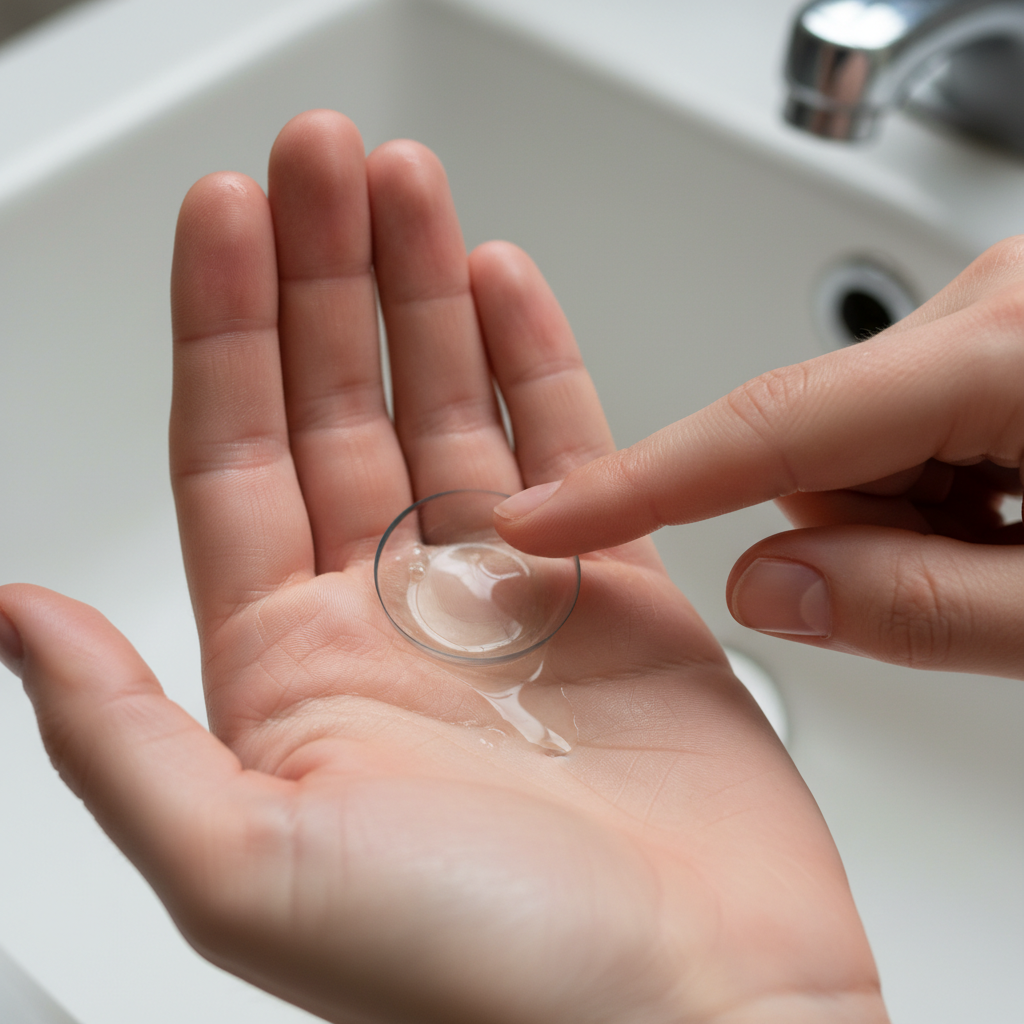
- Apply Cleaner: After removing the lens, place it in the palm of your hand and apply 2-3 drops of a dedicated RGP surfactant cleaner.
- Rub and Rinse: As recommended by the Centers for Disease Control and Prevention (CDC), the "rub and rinse" step is essential. Gently rub both sides of the lens with your fingertip for about 20 seconds. This mechanical action is crucial for dislodging deposits.
- Rinse Thoroughly: Rinse the lens completely with a sterile saline or multipurpose solution as recommended by your eye doctor. CRITICAL NOTE: Never use tap water, distilled water, or homemade saline to rinse or store your lenses. The U.S. Environmental Protection Agency (EPA) warns that these sources can contain microorganisms like Acanthamoeba, which can cause a severe, painful, and sight-threatening eye infection.
- Disinfect and Store: Place the clean lens in its case and fill it with fresh conditioning or disinfecting solution. Never "top off" old solution.
The Weekly Deep Clean
Once a week, perform a deep clean using an enzymatic protein remover. These products come as tablets or liquids that are added to your regular storage solution. This step dissolves the proteins that your daily cleaner may have missed, effectively resetting the lens surface.
Case Hygiene: The Forgotten Factor
A dirty case will re-contaminate a clean lens. Data from the CDC shows that a vast majority of contact lens wearers practice at least one risky hygiene behavior, and case care is a common oversight.
- Daily: Rinse your lens case with fresh solution (or hot water) and leave it uncapped and upside down to air dry on a clean tissue.
- Monthly/Quarterly: Replace your lens case every 1-3 months, or as directed by your optometrist.
Time for a Change? Key Signs Your Scleral Lenses Need Replacing
Even with perfect care, your lenses will eventually need to be replaced. Pay attention to these telltale signs.
The At-Home Visual Inspection
A useful heuristic is to perform a visual check. Clean your lens thoroughly, then hold it up to a light source. Tilt it back and forth. If you see a hazy, greasy, or cloudy film that does not wash off, it is a definitive sign that irreversible deposits have formed on the surface.
Symptom Checklist
If you experience any of the following, it’s time to consult your eye doctor for an evaluation:
- Decreased Comfort: The lens consistently feels gritty, itchy, or like there is something in your eye.
- Cloudy or Blurry Vision: Your vision is no longer crisp and clear, even immediately after cleaning the lenses.
- Increased Redness and Irritation: Your eyes look red or feel more sensitive than usual after a day of wear.
Just as it's unwise to keep wearing an old prescription for glasses that no longer works, it is risky to continue using scleral lenses that are past their prime.
The Importance of Annual Eye Exams
Ultimately, the only person who can definitively determine if your lenses need replacing is your optometrist. During your annual exam, they use a slit-lamp biomicroscope to inspect the lens surface for microscopic scratches, deposits, and warping that are invisible to the naked eye. Adhering to this annual schedule is the best way to ensure your eyes remain healthy.
A Long-Term Strategy for Healthy Vision
Scleral lenses are a powerful medical technology, and their durability is impressive. However, their functional lifespan rests almost entirely in your hands. By committing to a meticulous, two-step cleaning regimen and proper handling, you can realistically expect to get up to three years of safe and comfortable wear from a single pair.
View your cleaning routine not as a chore, but as an essential part of your health care. This investment of time protects the delicate surface of your eyes and ensures your scleral lenses can continue to provide the life-changing vision they were designed for.
Frequently Asked Questions (FAQ)
Q: Can I really not use tap water to rinse my scleral lenses? A: Absolutely not. Tap water is not sterile and contains microorganisms that can cause severe eye infections like Acanthamoeba keratitis, which is extremely difficult to treat and can lead to permanent vision loss. Always use sterile saline or a solution recommended by your optometrist.
Q: Why do my lenses feel gritty even after I clean them? A: A persistent gritty feeling is a classic sign of protein deposit buildup. It means your daily cleaner is no longer sufficient. Try a weekly enzymatic protein remover. If the feeling persists, it is likely time to replace the lenses.
Q: Is it safe to just use a multipurpose solution for my scleral lenses? A: While some multipurpose solutions are approved for RGP lenses, they are often not as effective at removing proteins as a dedicated two-step system. For maximum longevity and hygiene, most scleral lens specialists recommend a separate daily surfactant cleaner and a weekly protein remover.
Q: How often should I replace my scleral lens case? A: You should replace your lens case at least every three months. A contaminated case is a primary source of eye infections. Many optometrists even provide a new case each time you purchase new solution to encourage frequent replacement.
Disclaimer: This article is for informational purposes only and does not constitute professional medical advice. Always follow the specific instructions provided by your eye care professional regarding the use, cleaning, and replacement schedule for your scleral lenses. If you experience any pain, redness, or changes in vision, remove your lenses and consult your doctor immediately.
References
- Centers for Disease Control and Prevention (CDC). "Contact Lens Care Systems & Solutions." https://www.cdc.gov/contact-lenses/care-systems.html
- U.S. Environmental Protection Agency (EPA). "Danger of Using Tap Water With Contact Lenses." https://www.epa.gov/sdwa/danger-using-tap-water-contact-lenses
- StatPearls [NCBI]. "Contact Lenses." https://www.ncbi.nlm.nih.gov/books/NBK580554/
- National Academies of Sciences, Engineering, and Medicine. "Military Aviation and Adverse Effects of Contact Lens Wear." https://www.ncbi.nlm.nih.gov/books/NBK234044/


