




Screen Time & Kids’ Sleep: The Blue Light Connection
Screen Time, Sleep, and Your Child: A Parent's Guide to Blue Light
As evening sets in, the glow of screens—from tablets, phones, and televisions—is a common sight in many homes. While these devices offer connection and entertainment, they also emit a specific type of light that can quietly disrupt a child's ability to get a restful night's sleep. This potent, high-energy blue light signals "daytime" to our brains, making it harder to wind down and fall asleep.
For parents navigating this modern challenge, blue light filtering glasses have emerged as a popular tool. But what does the science say? This guide provides a clear, evidence-based look at the connection between blue light and your child's sleep, explaining how these glasses work, how to choose the right pair, and how to integrate them into a healthy bedtime routine.
TL;DR: The Bottom Line for Parents
- The Problem: Blue light from screens in the evening can suppress the sleep hormone melatonin, delaying bedtime and reducing sleep quality.
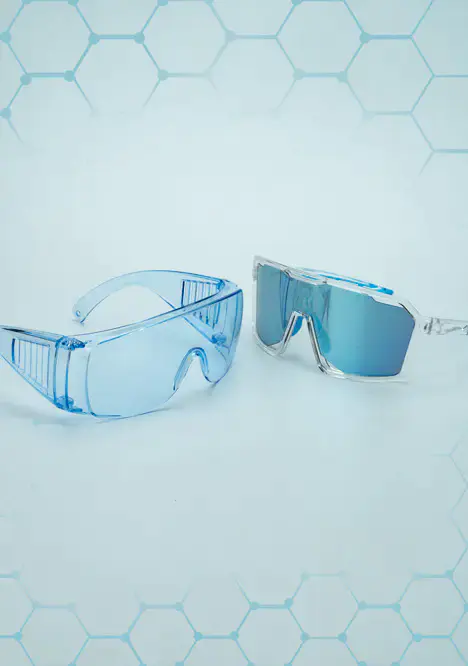
- The Tool: Blue light glasses, when worn in the 1-2 hours before bed, can block this disruptive light, helping your child's brain prepare for sleep naturally.
- The Myth: These glasses are not a cure for digital eye strain. Eye fatigue is primarily caused by reduced blinking and focusing effort, not by blue light itself.
- The Strategy: Use blue light glasses as one part of a healthy sleep hygiene routine, which should also include dimming screens and establishing a consistent, screen-free wind-down period.
The Science of Light and Sleep: Why Evening Screens Matter
To understand the solution, we first need to understand the problem. Every person has an internal 24-hour clock known as the circadian rhythm. This master clock regulates our sleep-wake cycle, and one of its most powerful cues is light.
When your child's eyes detect bright, blue-spectrum light, their brain gets a strong signal that it's daytime. In response, it suppresses the production of melatonin, the hormone that makes us feel drowsy and ready for sleep. This is a fantastic system during the day, promoting alertness and focus.
However, the screens we use are rich in the same blue light. According to research published by Harvard Health, exposure to this light in the evening can powerfully shift circadian rhythms and suppress melatonin. For a child, this can mean:
- Difficulty Falling Asleep: They feel "wired" or "wide awake" at bedtime.
- Delayed Sleep Onset: It takes them longer to finally drift off.
- Disrupted Sleep Quality: Their internal clock is out of sync, which can affect the restorative stages of sleep.
This isn't just a theory. A systematic review in the journal Cureus found "substantial evidence" that wearing blue-blocking glasses in the evening is an effective way to reduce the time it takes to fall asleep for people with insomnia or sleep disorders. By filtering out the disruptive blue wavelengths, the glasses allow the brain's melatonin production to begin on schedule, even if a child is finishing homework or watching a show before bed.
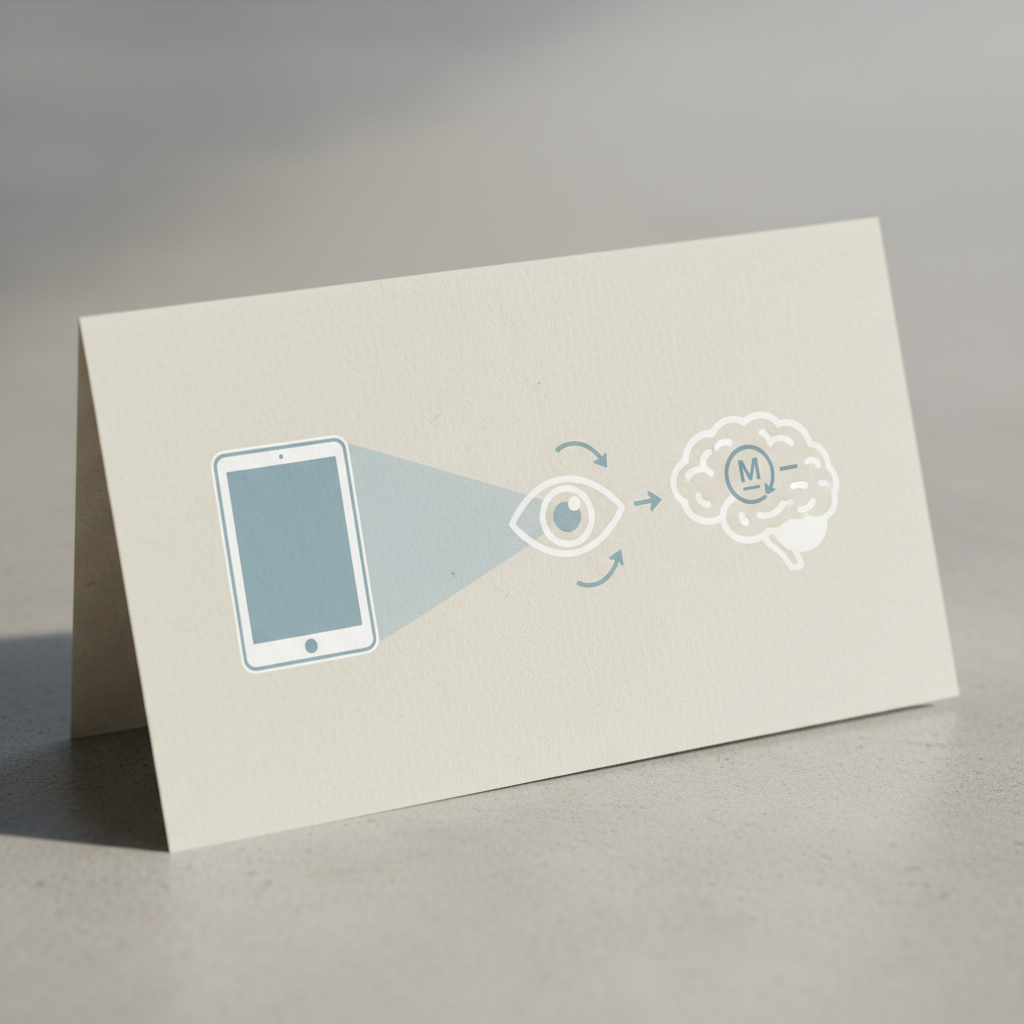
Debunking a Common Myth: Eye Strain vs. Sleep
One of the biggest misconceptions about blue light glasses is that they prevent or cure digital eye strain. The science does not support this claim. As ophthalmologist Dr. Nicole Bajic explains for the Cleveland Clinic, symptoms like tired eyes, headaches, and blurry vision from screen use are caused by how we use our eyes, not the light itself. We tend to blink less, stare at a fixed distance for too long, and deal with screen glare.
In fact, a double-blind, randomized controlled trial published in PubMed had participants read on a tablet for 20 minutes and found no significant difference in eye strain symptoms between those wearing blue-blocking lenses and those wearing placebo lenses.
The real, science-backed benefit of these glasses is not for eye comfort—it's for regulating the sleep cycle.
A Parent's Practical Guide to Choosing and Using Blue Light Glasses
When used correctly, blue light glasses can be a highly effective tool. But not all glasses are created equal, especially when it comes to kids. Here’s how to choose a pair that is safe, effective, and durable enough for daily life.
What to Look For: A Checklist for Kid-Friendly Frames
Children need glasses that can withstand being dropped, bent, and tossed in a backpack. Durability and safety are just as important as filtration.
| Feature | Why It Matters for Kids |
|---|---|
| Polycarbonate Lenses | This material is shatter-proof and highly impact-resistant, a critical safety feature for active children. All glasses sold in the US must meet the FDA's impact resistance standards, and polycarbonate is the gold standard for kids. |
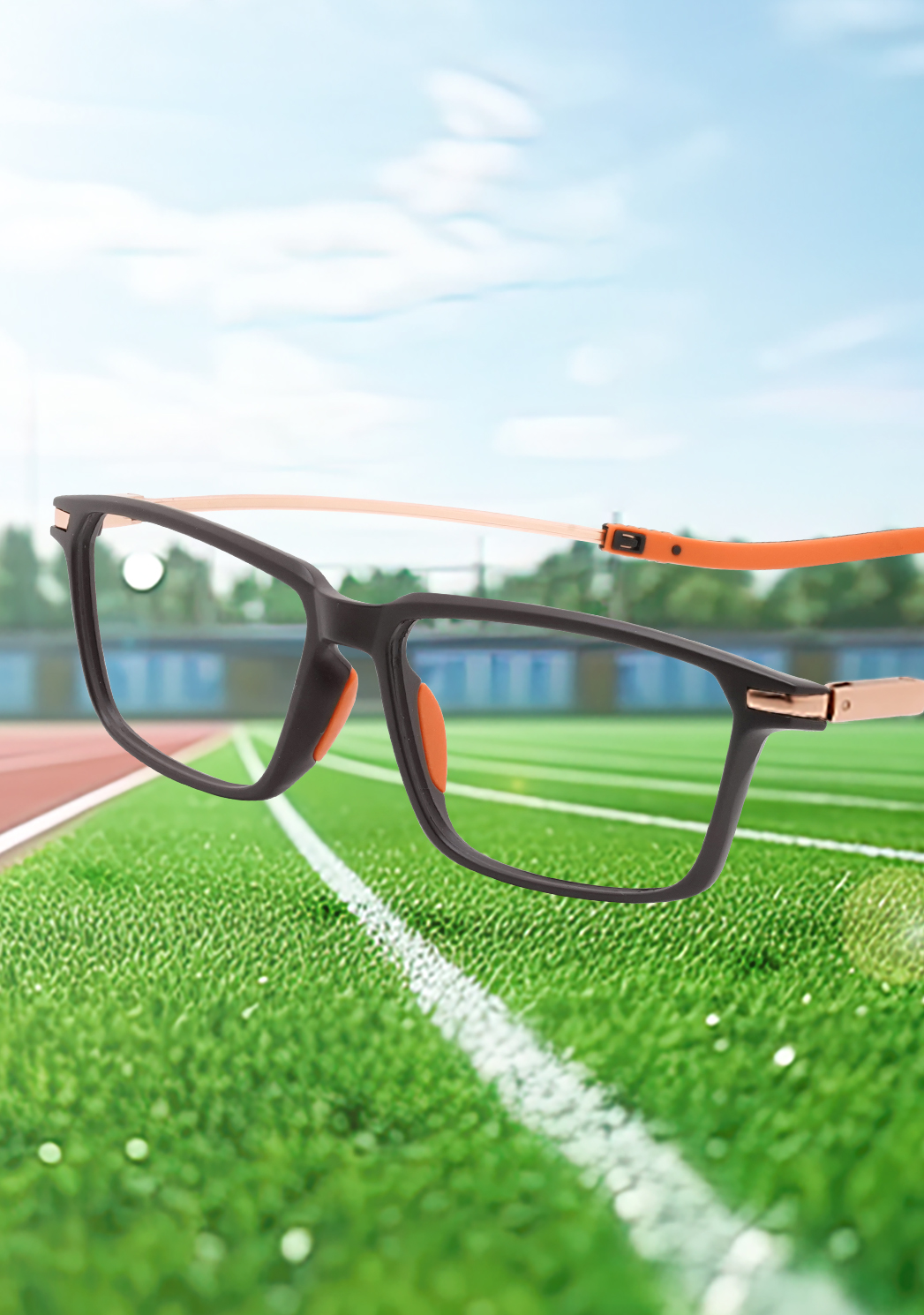
| Flexible Frame Material (TR-90) | Look for frames made from flexible materials like TR-90. They can bend without breaking, making them far more durable than standard plastics. |
| Spring Hinges | These allow the temples (arms) of the glasses to flex outward, away from the head. This prevents them from snapping under pressure and provides a more comfortable, forgiving fit. |
| Anti-Scratch Coating | A factory-applied hard coat is essential. It protects the lenses from the inevitable scuffs and scratches of daily use, ensuring clear vision and extending the life of the glasses. |
| Proper Fit | A good fit is crucial for comfort and compliance. For most children ages 6-12, a lens width of 45–52mm and temple length of 120–135mm is a good starting point. The frames shouldn't constantly slide down their nose. |

Expert Warning: Daytime Use Is Not Recommended for Children
While evening use is beneficial, it's critical that children do not wear blue-blocking glasses during the day. Daytime blue light is essential for setting their circadian rhythm, promoting alertness, and maintaining a positive mood.
Furthermore, some research suggests a potential, though not yet proven, risk. A theoretical model discussed by the Mayo Clinic explores whether chronically blocking blue light in developing eyes could interfere with the process of emmetropization—the way the eye learns to focus properly. While more research is needed, the consensus is to limit use to the hours just before bed to avoid any unintended consequences.
The Evening Routine: When and How to Use Them
Consistency is key. The goal is to make the glasses a natural part of the bedtime wind-down ritual.
- Establish a "Glasses On" Time: For children under 13, have them put the glasses on 60–90 minutes before their scheduled bedtime. For teenagers, 90–120 minutes is often more effective.
- Pair with Positive Rituals: Connect wearing the glasses with a calming bedtime activity, like reading an e-book, listening to a podcast, or watching a final show.
- Dim the Lights: The glasses are one tool, but a dim environment is another. Lower the brightness on all screens and dim the ambient lights in the room.
- Consistency Over Perfection: The goal is to do this most nights. If you miss a night, don't worry. Just get back on track the next day. A consistent routine sends the strongest signal to the brain that it's time to prepare for sleep.
Beyond the Glasses: Holistic Screen Time Habits
Blue light glasses are a powerful aid, but they are most effective when they supplement, rather than replace, healthy screen habits. True sleep hygiene involves a more holistic approach.
- Implement the 20-20-20 Rule: To help with the actual symptoms of digital eye strain, encourage your child to take a break every 20 minutes to look at something 20 feet away for 20 seconds. This simple habit relaxes the eye muscles.
- Enable "Night Mode": Most devices have a built-in feature (like Night Shift on Apple devices or Night Light on Android/Windows) that automatically warms the screen's color temperature after sunset. This reduces blue light emission at the source.
- Prioritize a Screen-Free Wind-Down: The best solution is always to power down screens completely in the final 30-60 minutes before bed. Use this time for reading a physical book, talking, or listening to music. This gives the brain a clear, unambiguous signal to disengage and prepare for rest.
- Ensure Regular Eye Exams: An annual comprehensive eye exam is crucial for monitoring your child's vision and overall eye health. It can also rule out underlying issues that might be mistaken for screen-related strain.
Key Takeaways
Navigating screen time and sleep is a core challenge of modern parenting. Blue light glasses offer a practical, science-backed way to mitigate one of the key negative impacts of evening screen use.
Remember, these glasses are a sleep tool, not an eye strain cure. Their value lies in filtering the specific light that disrupts melatonin. For children, it's essential to choose durable, impact-resistant frames and to restrict their use to the 1-2 hours before bedtime. By combining blue light glasses with other healthy habits, you can protect your child's natural sleep cycle and help them get the deep, restorative rest they need to thrive.
Frequently Asked Questions (FAQ)
1. Are blue light blocking glasses safe for my child? Yes, when used as intended. They are safe for evening-only use to help regulate the sleep cycle. However, they should not be worn during the day, as daytime blue light is important for alertness and healthy eye development.
2. What's more important: using the glasses or just reducing screen time? Reducing overall evening screen time and creating a screen-free bedtime routine is the most effective strategy. The glasses are a helpful tool for the screen time that does happen, but they work best as a supplement to good habits, not a replacement for them.
3. Will these glasses help my child focus on their homework? No, this is a common misconception. The glasses are designed to help with sleep signaling, not to improve focus or reduce the eye fatigue caused by long periods of concentration. For eye fatigue, frequent breaks using the 20-20-20 rule are more effective.
4. How can I tell if the glasses are actually working? The primary sign of success is an improvement in sleep habits. You might notice your child seems sleepier at bedtime, falls asleep more easily, or reports feeling more rested in the morning.
Disclaimer: This article is for informational purposes only and does not constitute professional medical advice. The information provided is not a substitute for a consultation with a qualified healthcare professional. Always seek the advice of an optometrist, pediatrician, or other qualified health provider with any questions you may have regarding a medical condition or your child's health.
References
- Bajic, N. (2023). "Do Blue Light Glasses Actually Work?" Cleveland Clinic Health Essentials. https://health.clevelandclinic.org/do-blue-light-blocking-glasses-actually-work
- Hester, L., et al. (2021). "Blue-blocking glasses as a therapeutic intervention for sleep and circadian rhythm disorders: A systematic review." Cureus. https://pubmed.ncbi.nlm.nih.gov/34030534/
- Pacheco, D. (2021). "Can Blue Light Blocking Glasses Improve Your Sleep?" Harvard Health Publishing. https://www.health.harvard.edu/blog/can-blue-light-blocking-glasses-improve-your-sleep-202110262625
- Rosenfield, M., et al. (2020). "Do blue-blocking lenses reduce symptoms of digital eye strain?" Optometry and Vision Science. https://pubmed.ncbi.nlm.nih.gov/32007978/
- Tosini, G., et al. (2022). "Blue light and the circadian system." eBioMedicine. https://pmc.ncbi.nlm.nih.gov/articles/PMC8897255/
- Ostovari, J., et al. (2024). "The Unseen Spectrum: A Theoretical Model on the Potential Risks of Blue Light Deprivation in Pediatric Emmetropization." Mayo Clinic Proceedings: Innovations, Quality & Outcomes. https://pmc.ncbi.nlm.nih.gov/articles/PMC12009466/


