




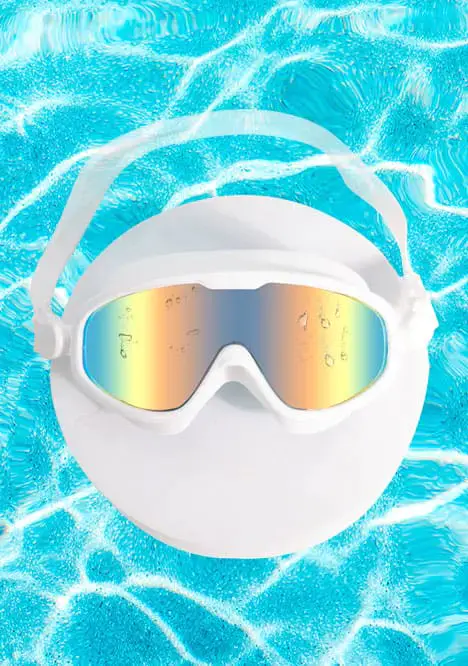
Shield Sunglasses: How to Pull Off This Bold Wrap-Around Trend
The Ultimate Statement: Are Shield Sunglasses For You?
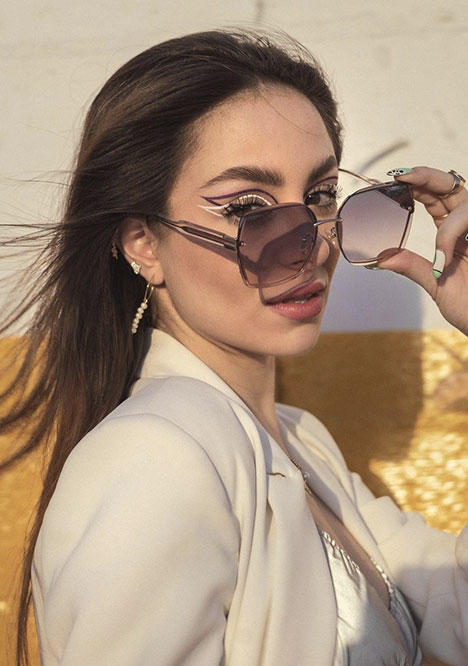
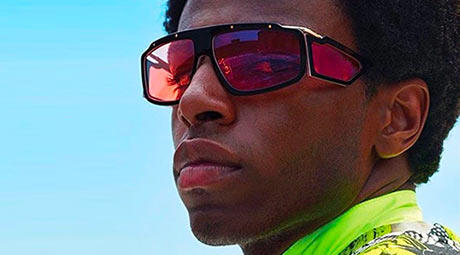
There are accessories, and then there are statements. Shield sunglasses fall firmly into the latter category. With their futuristic, single-lens design that stretches across the face like a visor, they’re the antithesis of quiet and reserved. They scream confidence, command attention, and offer a level of coverage that few other styles can match. But let's be honest: this is a look that can easily wear you if you're not careful.
Pulling off this audacious trend is less about having a certain "it" factor and more about understanding the dynamics of proportion, fit, and function. It’s about making a deliberate style choice. Before you dive into this maximalist aesthetic, this guide will walk you through the practical realities and styling secrets to ensure you rock those shields with authority.
What you'll learn:
- The Anatomy of a Shield: What defines this style and why its design is a functional powerhouse.
- The Stylist's Verdict: An honest look at which face shapes and personal styles best suit the trend.
- The Prescription Problem: Critical advice for anyone who needs corrective lenses.
- Styling & Fit Secrets: How to integrate shields into your wardrobe and avoid common fit issues.
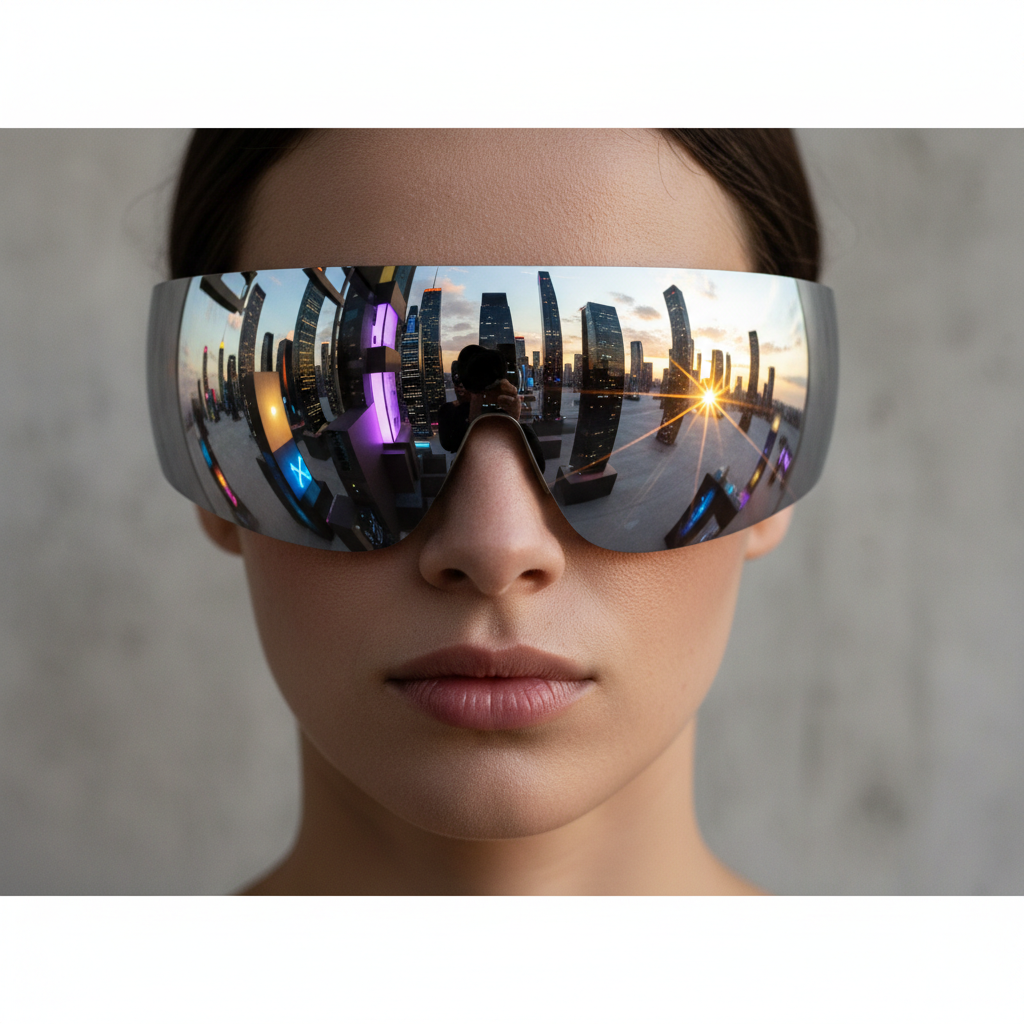
Decoding the Shield: More Than Just a Bold Look
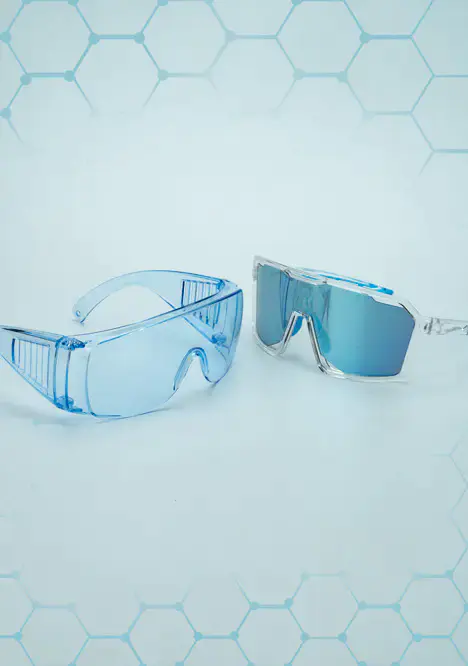
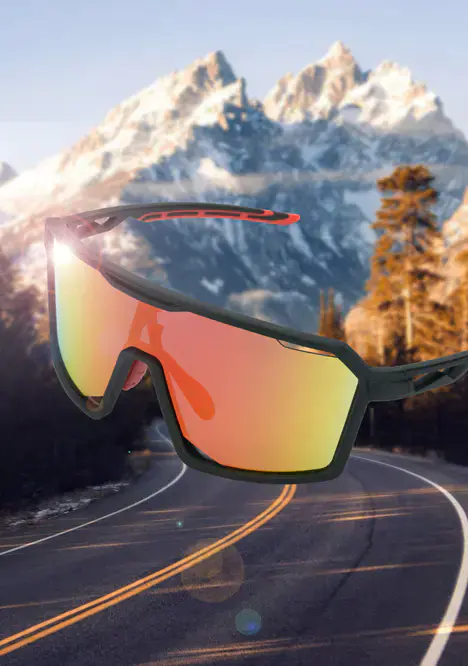
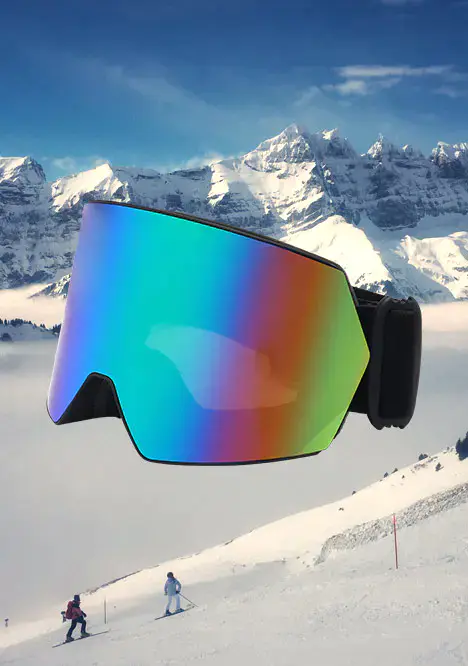
Shield sunglasses are defined by their sheer scale and continuous design. Unlike traditional glasses with two separate lenses, a shield typically consists of a single piece of lens material that spans the entire frame front. This creates an unbroken, visor-like effect that feels both athletic and avant-garde. Originating from performance sportswear—think cycling and skiing—where maximum protection from wind, debris, and sun is paramount, the style has been adopted by high fashion for its dramatic impact.
Unparalleled UV Protection by Design
The primary functional benefit of the shield style is its incredible coverage. The oversized and often wraparound geometry is exceptionally effective at blocking peripheral light. A 3D study using sensor-equipped mannequins, published in a leading photobiology journal, found that wraparound and goggle-style frames offer nearly 100% protection from UV rays that can leak in from the sides, top, and bottom of smaller frames. This "peripheral light focusing," where light from the side can be concentrated onto the eye, is a significant factor in the development of certain eye conditions.
Expert Insight: The Danger of Dark, Uncertified Lenses A common and dangerous misconception is that a darker lens offers more protection. In reality, as experts from the MD Anderson Cancer Center warn, wearing dark lenses without certified UV400 protection can be more harmful than wearing no sunglasses at all. The dark tint causes your pupils to dilate, opening a larger pathway for damaging UVA and UVB rays to enter the eye. Always look for a label that explicitly states "UV400" or "100% UV Protection."
The Stylist's Reality Check: Can You Pull Off Shields?
This is the million-dollar question. While confidence is the most important accessory, some practical aesthetic guidelines can help you decide if shields are a good fit for your personal style and facial structure.
Face Shape & Bone Structure
In practice, our stylists find that shield sunglasses demand a stronger facial structure to avoid being visually overwhelming.
- Ideal For: Individuals with defined cheekbones and a strong jawline (such as square, heart, or oval face shapes) can typically carry the weight of a heavy shield frame. The angles of the face balance the dramatic lines of the glasses.
- Use Caution: For those with rounder or softer facial features, a very large, dark, and heavy shield can create a "helmet" effect. This doesn't mean you have to avoid the trend entirely! The key is to create balance. Opt for shields with a slightly less extreme wraparound curve, choose lighter frame colors (like clear, white, or pastels), or look for styles with a more delicate frame structure to mitigate the effect.
Personal Style DNA
Shields naturally complement certain aesthetics:
- Athleisure & Streetwear: This is the shield's natural habitat. Paired with hoodies, sneakers, and technical fabrics, they look right at home.
- Minimalist: A sleek, all-black or all-white outfit provides the perfect canvas for a pair of statement shields to be the single focal point.
- Maximalist & Avant-Garde: If your style is already about bold patterns, unconventional silhouettes, and making a statement, shields will fit right in.
Real-Customer Micro-Testimonial: "I have a round face and was hesitant, but I chose a pair of shield sunglasses in a translucent pink frame. They give me the bold look I wanted without feeling like I’m hiding. They’re my go-to for making a simple jeans-and-tee outfit feel intentional."
The Practical Guide for Prescription Wearers
For those who need vision correction, wearing a large, fashion-forward frame like a shield presents unique challenges. The sheer size and curvature of the lens can turn a high prescription into a funhouse mirror if not handled correctly.
The High-Prescription Dilemma: Why Lens Material is Everything
If you have a strong prescription (typically above -4.00 or +3.00), this is the most critical section for you. Standard plastic lenses (CR-39) are not suitable for shield frames with high prescriptions. The large lens size means the edges of a minus lens (for nearsightedness) will become incredibly thick and heavy, while the center of a plus lens (for farsightedness) will bulge significantly. This not only looks awkward but also creates significant peripheral distortion, often described as a "fishbowl" effect.
The solution is a high-index lens material. As explained by optical experts at Ferris State University, high-index plastics (with ratings like 1.67 or 1.74) are denser and bend light more efficiently than standard materials. This means they can achieve the same corrective power in a much thinner and lighter profile. For a frame as large as a shield, insisting on a high-index lens is non-negotiable for both aesthetics and visual comfort. To learn more about this, our Guide to Wraparound High Prescription Sunglasses offers a deeper dive.

The Fit Factor: Nose Pads and Cheek Clearance
Many fashion-forward shield designs prioritize a seamless, molded look, which often means they lack adjustable nose pads. This can lead to two common problems:
- Slipping: The glasses may slide down your nose, requiring constant adjustment.
- Resting on Cheeks: If you have a lower nose bridge or higher cheekbones, the frame may sit directly on your cheeks. This is not only uncomfortable but also causes the lenses to fog up and can smudge makeup.
When trying on shield sunglasses, perform these simple checks: smile, scrunch your nose, and tilt your head down. If the glasses move significantly or rest uncomfortably on your face, they aren’t the right fit. Look for models that either have built-in adjustable nose pads or a shape that naturally provides clearance for your features.
Optical Distortion in Single-Curve Lenses
The single-curve design of some shields can inherently produce more peripheral visual distortion than traditional dual-lens frames, especially if you're not looking straight ahead. While your brain can adapt to minor distortion, it can be disorienting for some wearers. High-quality manufacturing can minimize these aberrations, but it's a factor to be aware of. If you are particularly sensitive to visual changes, exploring ways to Minimize Distortion in Prescription Sunglasses can be helpful.
How to Style Shield Sunglasses: From Sci-Fi to Street Style
Ready to embrace the trend? The key to making shield sunglasses look chic and modern is balance. You want the final look to feel intentional, not like a costume.
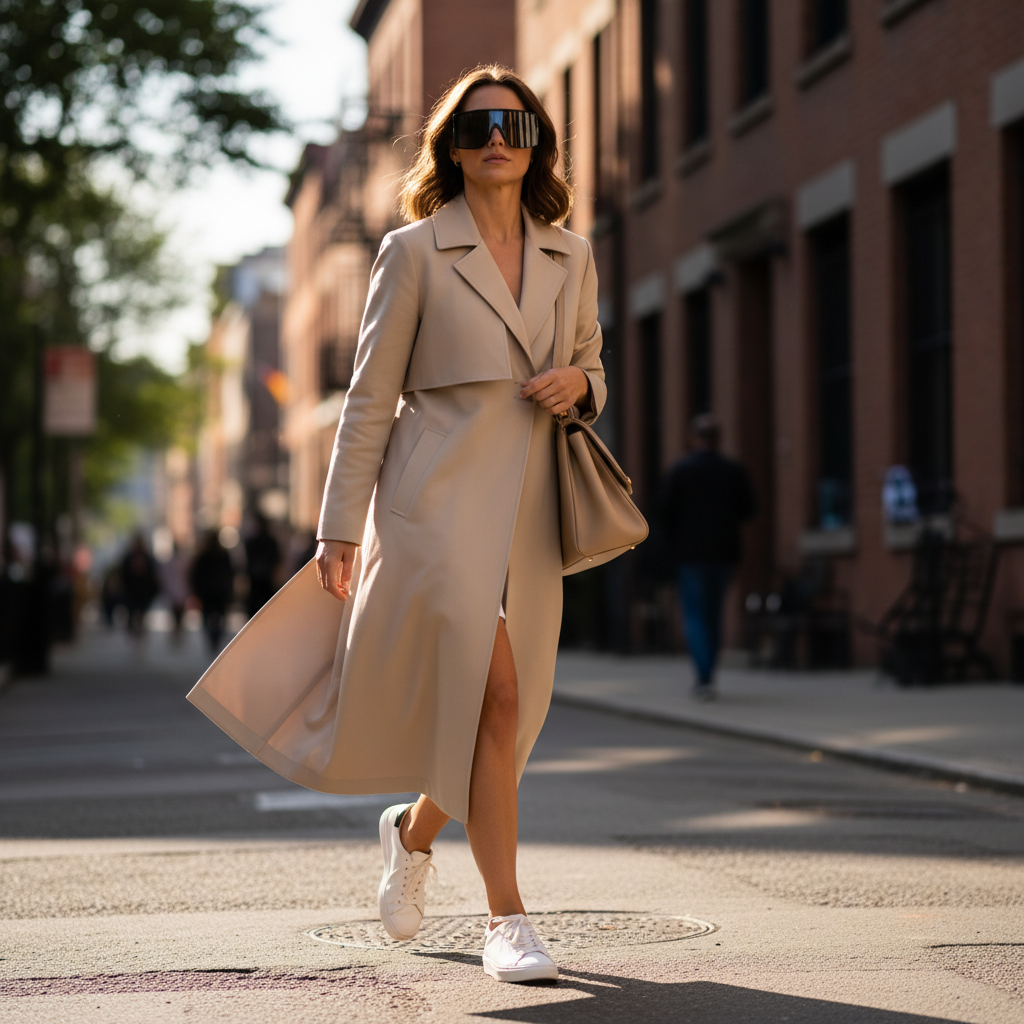
Balance the Proportions: Since the glasses are so dominant, let them be the star. Pair them with clean, minimalist clothing. A simple tailored blazer, a crisp white shirt, or a monochrome jumpsuit creates a sophisticated backdrop that allows the eyewear to pop without overwhelming your entire look.
Lean into Athleisure: The easiest way to style shields is to play to their sporty heritage. Combine them with a high-end sweatsuit, sleek leggings, a bomber jacket, and designer sneakers. The result is a look that is cool, comfortable, and current.
Color Coordinate: Create a cohesive look by matching the color of your sunglasses (either the frame or the lens tint) to another element in your outfit. A pair of blue-lensed shields paired with a blue handbag or shoes feels polished and well-thought-out.
The Final Verdict
Shield sunglasses are undeniably a bold fashion choice, but they are far more than a fleeting trend. Their design offers superior protection from the elements and UV radiation, making them a functional powerhouse. The secret to pulling them off lies in a harmony of self-awareness and smart choices.
By considering your facial structure, opting for balancing styles if needed, and—most importantly for prescription wearers—investing in the right high-index lens material, you can confidently adopt this futuristic look. Don't be afraid to make a statement; just make sure it's the right one for you.
Disclaimer: This article is for informational purposes only and does not constitute professional medical or optometric advice. Always consult with a qualified eye care professional for any concerns about your vision, prescription needs, or eye health.
References
- Peripheral UV Radiation: Alfadhel, A., & Osuagwu, U. L. (2019). Ocular UV dosimetry from different directions of gaze and with different sunglasses. Photochemical & Photobiological Sciences.
- UV Protection and Cancer: MD Anderson Cancer Center. (2020). 9 things to know about sunglasses, eye protection and cancer.
- High Index Lenses: Ferris State University. High Index Lenses. Retrieved from their official optometry page.


