




Sports Vision Training: Improving Reaction Time Through Eyewear
TL;DR: How to Train Your Vision for Peak Performance
Vision is more than seeing clearly; it’s a set of dynamic skills you can train like any other muscle group. Sports Vision Training (SVT) uses specialized techniques and eyewear to enhance reaction time, tracking, and depth perception. By integrating tools like contrast-enhancing lenses and stroboscopic glasses into your routine, you can force your brain to process visual information faster and more efficiently. The key is to start slow, adapt to new eyewear during low-intensity drills, and choose gear specifically designed for your sport's environment and safety demands.
Beyond 20/20: What is Sports Vision Training?
For decades, athletes have focused on strength, speed, and endurance. Yet, the most critical athletic tool is often overlooked: vision. Sports Vision Training (SVT) is a specialized field that treats vision as a dynamic, trainable skill. It moves beyond a static eye chart to enhance the specific visual abilities that dictate performance on the field, court, or track.
Think of it as weightlifting for your eyes and the visual processing centers of your brain. The goal isn’t just to see a target but to see it, process it, and react to it faster and more accurately than your opponent.
The Core Skills That Define an Elite Athlete
SVT focuses on honing several key neuro-visual skills:
- Dynamic Visual Acuity: The ability to see objects clearly while you and/or the object are in motion. This is crucial for tracking a 100-mph fastball or reading the spin on a tennis ball.
- Eye Tracking (Saccades & Pursuits): This involves two functions. Saccades are the rapid, voluntary eye movements you use to shift focus from one point to another, like scanning the field for an open receiver. Pursuits are the smooth tracking movements used to follow a moving object, like a soccer ball in flight.
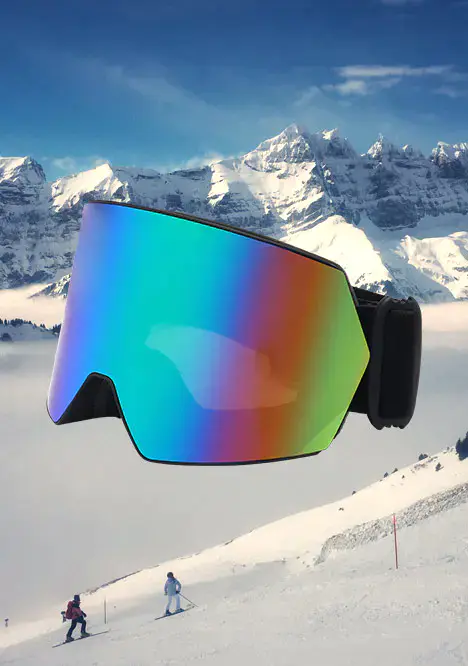
- Contrast Sensitivity: This is the ability to distinguish an object from its background. Poor contrast sensitivity can make it difficult to see a golf ball against a green fairway or a ski racer against a snowy, overcast backdrop.
- Depth Perception: Accurately judging the distance and speed of objects is fundamental to almost every sport, from timing a jump shot in basketball to navigating a turn on a racetrack.
- Peripheral Vision: An athlete's awareness of action happening at the edges of their vision without turning their head. This skill is essential for avoiding tackles, spotting teammates, and maintaining situational awareness.
A study on elite skeet shooters found that a 6-week SVT program significantly improved their hit accuracy and reaction time, demonstrating a direct link between targeted visual training and measurable performance gains (Frontiers in Human Neuroscience).

The Gear: How Specialized Eyewear Becomes a Training Tool
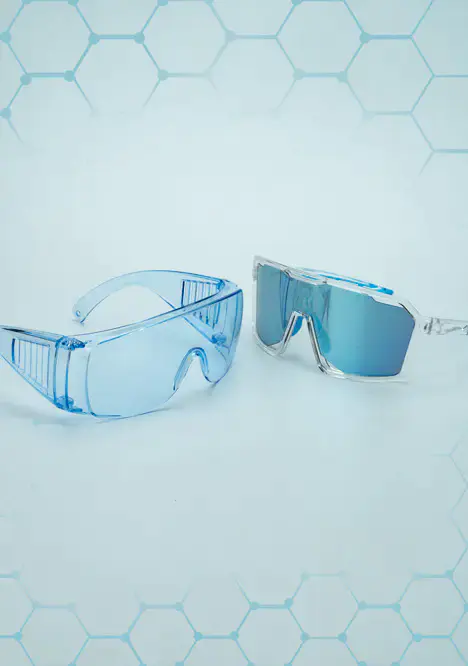
Just as you wouldn't wear running shoes to play basketball, generic eyewear falls short for serious athletic training. Performance eyewear is engineered not just for protection, but as an active tool to enhance the visual skills mentioned above.
Lens Tints: Painting the World for Better Performance
The color of a lens is not merely a style choice; it's a functional filter that manipulates light to improve clarity and contrast.
- Yellow/Amber Lenses: These are ideal for low-light or overcast conditions. They work by filtering out blue light, which can make objects appear hazy. This enhances contrast and makes details—like the seams on a baseball or the texture of an indoor basketball court—pop.
- Gray Lenses: Best for bright, sunny days, gray tints reduce overall brightness without distorting color. The American Optometric Association (AOA) often recommends gray lenses for activities like driving, where true color recognition is critical for safety.
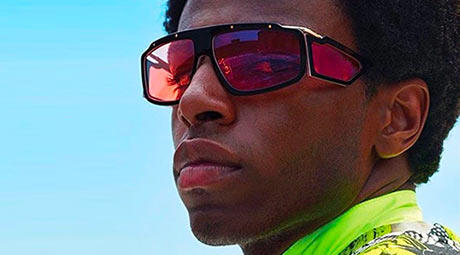
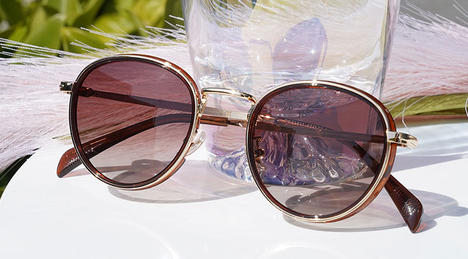
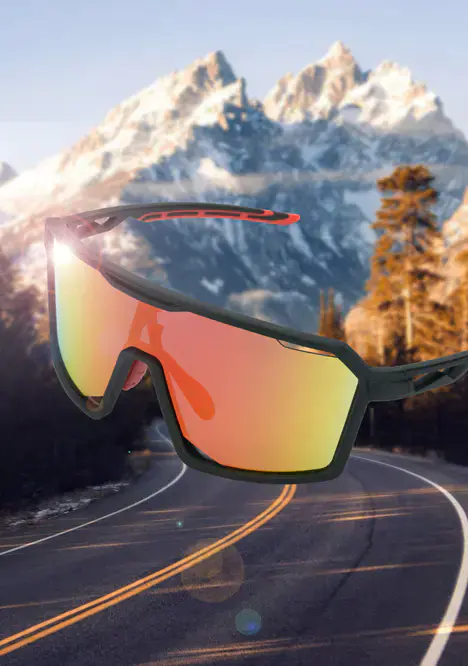
- Brown/Copper Lenses: These are excellent all-rounders that enhance contrast, particularly against green and blue backgrounds. This makes them popular for sports like golf (highlighting the ball against the fairway) and fishing (spotting fish beneath the water's surface).
Stroboscopic Eyewear: Forcing Your Brain to Get Faster
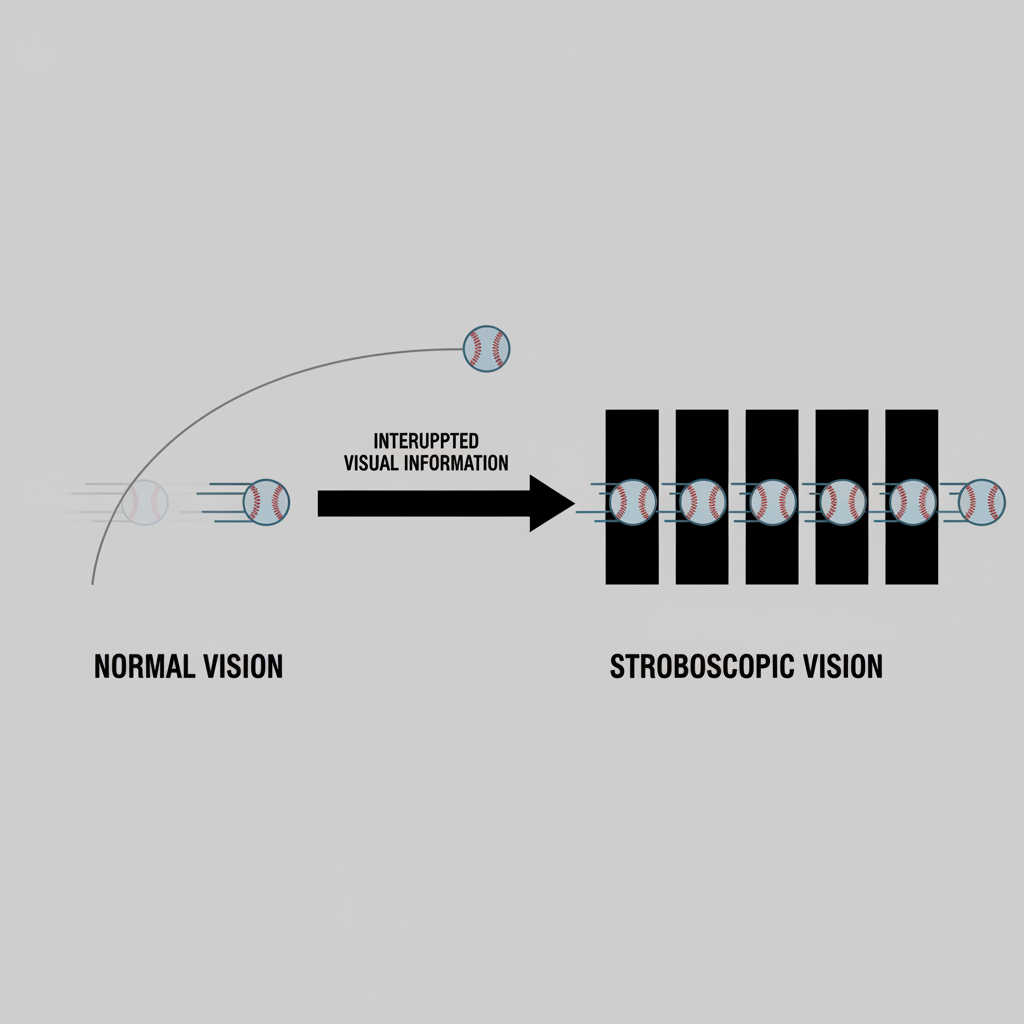
Stroboscopic training is one of the most powerful methods in SVT. These specialized glasses use liquid crystal technology to flicker the lenses between clear and opaque, creating a "strobe" effect. This forces your brain to work with less visual information, training it to process what it sees more efficiently.
When the lenses are clear, your eyes see a snapshot of the action. When they turn opaque, your brain is forced to predict the object's trajectory based on the last snapshot. Research confirms its effectiveness, showing that stroboscopic training produces moderate to large improvements in athletes' reaction time and accuracy (PMC: PMC12254360). It’s an intense workout that can significantly shorten the time between seeing and reacting.
Safety First: Impact Resistance and Frame Integrity
Enhanced vision is useless if your eyes aren't protected. Standard fashion sunglasses can shatter on impact, turning into a hazard.
- Materials: Performance eyewear almost always uses polycarbonate or Trivex lenses. As the AOA notes, these materials are significantly more impact-resistant than standard plastic or glass.
- Safety Ratings: Look for eyewear rated ANSI Z87.1. This standard ensures the glasses have passed high-velocity impact tests. A study in PubMed highlighted that it's not just the lens that matters; the frame's ability to retain the lens upon impact is equally critical (PubMed: 17258162).
- Fit and Geometry: A wraparound design does more than look athletic. It provides crucial protection from peripheral light and debris. Research using 3D models shows that standard frames allow significant UV light leakage from the sides, while wraparound styles offer near-complete protection (PMC: PMC6803516).
Practical Guide: Integrating Performance Eyewear into Your Routine
Owning the right gear is only the first step. Using it effectively is what unlocks your potential.
The Heuristic of the Break-In Period
Practitioners in sports vision repeatedly observe that athletes abandon new performance eyewear prematurely due to initial discomfort. Your brain is accustomed to your specific visual world; changing any part of it, such as peripheral clarity or depth perception, requires an adaptation period.
Follow this simple, three-step process:
- Start Low: Wear your new glasses for short, low-intensity sessions first. A 20-minute solo drill is perfect.
- Gradual Increase: Slowly increase the duration and intensity of use over several training sessions. Move from individual drills to team warm-ups.
- Full Deployment: Only after you feel comfortable and your targeting is confident should you wear the new eyewear in a full-speed, competitive game.
Common Mistakes to Avoid
- Wrong Tint for the Light: Using dark gray lenses for an indoor game is a common error. It severely reduces the amount of light reaching your eyes, slowing reaction time. Match your tint to the ambient light.
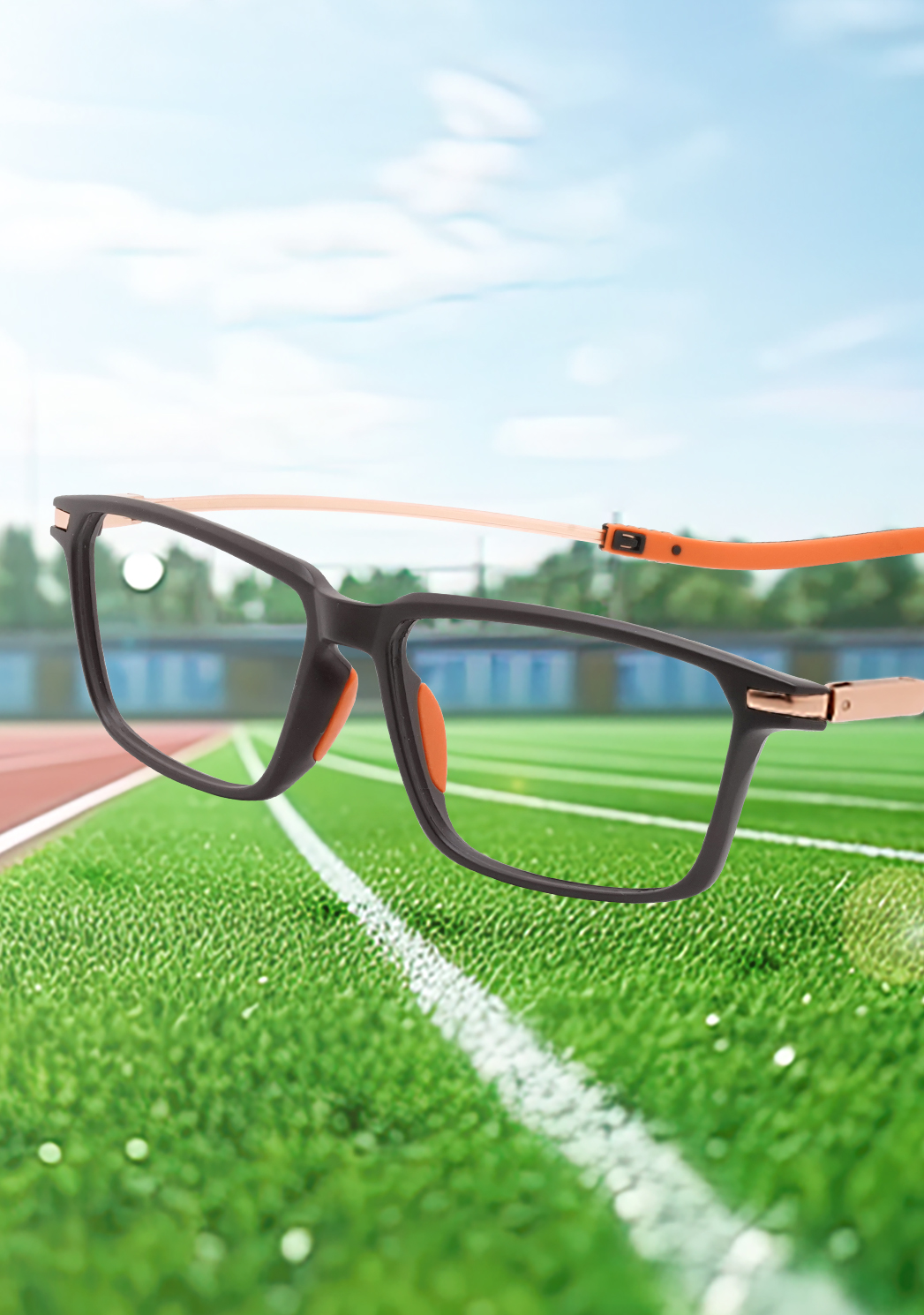
- Neglecting the Fit: If your glasses are constantly slipping down your nose, they are a distraction and a hazard. Ensure the temple arms are the correct length and the nose pads are fully adjustable for a secure fit, especially during high-impact activities.
- Confusing Features: Don't assume "polarized" automatically means "UV protection." Polarization cuts glare, while UV protection blocks harmful radiation. As experts at Duke Health clarify, you need lenses that explicitly state they offer UV400 or 100% UV-blocking capabilities.
The Neuro-Visual Connection: Why This Training Works
Sports vision training isn't magic; it's neuroscience. The improvements come from harnessing the brain's ability to change and adapt, a concept known as neuroplasticity.
When you challenge your visual system—whether by forcing it to work with less information (strobe glasses) or enhancing specific details (contrast lenses)—you are stimulating the neural pathways between your eyes and your brain. Your brain responds by building stronger, faster, and more efficient connections. You're not just training your eyes to see better; you're training your brain to process and react faster. This is the foundation of turning raw visual data into game-winning decisions.
Frequently Asked Questions (FAQ)
1. Can I just use my regular prescription glasses for sports? It is highly discouraged. Regular glasses are not built to withstand impact and can shatter, posing a serious risk to your eyes. They also typically lack the secure fit and wraparound design needed for dynamic athletic movement.
2. How long does it take to see results from sports vision training? While some benefits, like enhanced contrast from tinted lenses, are immediate, neuro-visual adaptations take time. Consistent training with tools like stroboscopic glasses can yield measurable improvements in reaction time and accuracy within 6 to 10 weeks, according to research.
3. Are stroboscopic glasses safe for my eyes? Yes, when used as directed. The flickering light is not harmful to the eyes. The primary effect is on the brain's processing, creating a challenging but safe training environment. However, they should only be used during specific training drills and never for general wear or activities like driving.
4. Do I need a prescription for performance eyewear? Not necessarily. Many high-quality performance glasses are available as "plano," meaning they have no corrective power. However, if you require vision correction, most performance frames can be fitted with prescription lenses made from impact-resistant materials like polycarbonate.
Disclaimer: This article is for informational purposes only and does not constitute professional medical advice. Consult with an optometrist or a qualified sports vision specialist to determine the best training regimen and eyewear for your specific needs, especially if you have pre-existing eye conditions.
References
- Stroboscopic Sports Training and Elite Shooting Performance. (2024). Frontiers in Human Neuroscience.
- Stroboscopic training for sport and exercise: A systematic review and meta-analysis. (2024). PMC.
- Impact resistance of safety eyewear. (2007). PubMed.
- UV Protection. (n.d.). American Optometric Association (AOA).
- Ocular and Periocular Solar UV Radiation Exposure and the Use of Sunglasses. (2019). PMC.
- Myth or Fact: People with Light-Colored Eyes Are More Sensitive to Sunlight. (n.d.). Duke Health.


