







Sunglass Categories 0-4: Choosing the Right Darkness
TL;DR: Understanding Sunglass Categories
Sunglass categories, numbered 0 through 4, indicate the darkness of the lens, known as Visible Light Transmission (VLT). This number tells you how much light the lens lets through, helping you choose the right pair for your environment. Crucially, this category has nothing to do with UV protection. A very dark Category 4 lens and a nearly clear Category 1 lens can both offer 100% UV400 protection. The key is to match the category to your activity and lighting conditions for comfort and safety, while always ensuring the lenses are rated UV400.
The Great Sunglass Myth: Lens Darkness vs. UV Protection
A persistent and dangerous myth in eyewear is that the darker the lens, the better it protects your eyes from the sun. This is fundamentally incorrect. The tint of a sunglass lens and its ability to block ultraviolet (UV) radiation are two completely separate properties.
Expert Warning: The Danger of Uncertified Dark Lenses
Wearing dark sunglasses that lack certified UV protection is more hazardous than wearing no sunglasses at all. As experts at the MD Anderson Cancer Center warn, dark tints cause your pupils to dilate, or open wider, to let in more light. If the lenses don't have a UV filter, this dilation invites a flood of damaging UV radiation directly into your eye, increasing your risk for cataracts and other eye diseases.
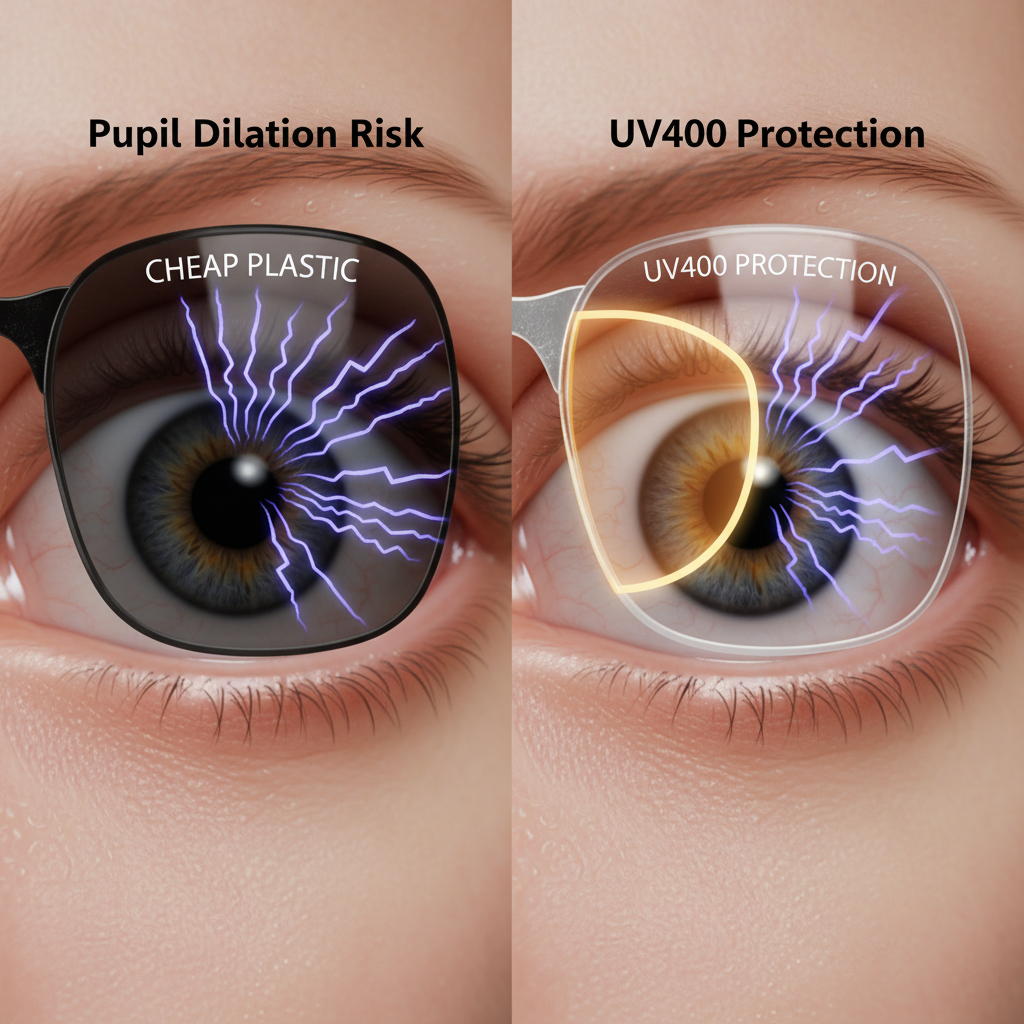
True safety comes from a lens's ability to absorb or reflect UVA and UVB rays. This is achieved through the lens material itself (polycarbonate, for example, naturally blocks most UV) or through a special, invisible coating. A "UV400" rating means the lenses block 99% to 100% of UV rays up to 400 nanometers, which covers the entire spectrum of UVA and UVB rays. A technical report on solar UV protection standards highlights that the 380-400 nm range contains significant energy, making the UV400 standard far more protective than older standards that capped protection at 380 nm.
Decoding the Numbers: Visible Light Transmission (VLT) and Lens Categories
So, what do the category numbers mean? They classify the lens based on its Visible Light Transmission (VLT)—the percentage of visible light that can pass through it. A lower VLT percentage means a darker lens and less visible light reaching your eye.
This system standardizes lens darkness across the industry, allowing you to choose lenses based on function, not just color. Here is a breakdown of the five categories, their VLT ranges, and their ideal uses.
| Sunglass Category | VLT Percentage | Conditions & Activities |
|---|---|---|
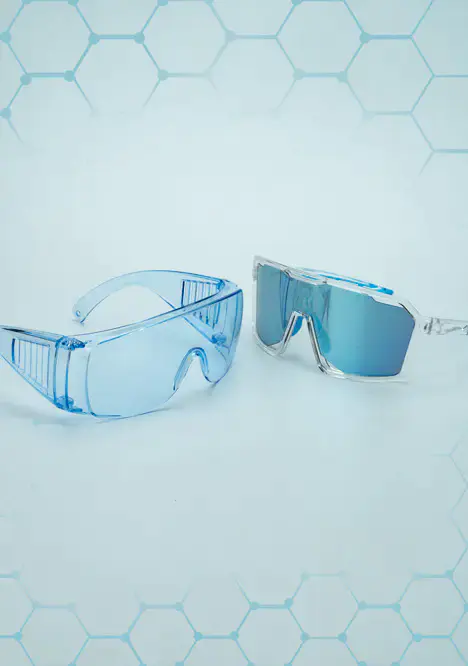
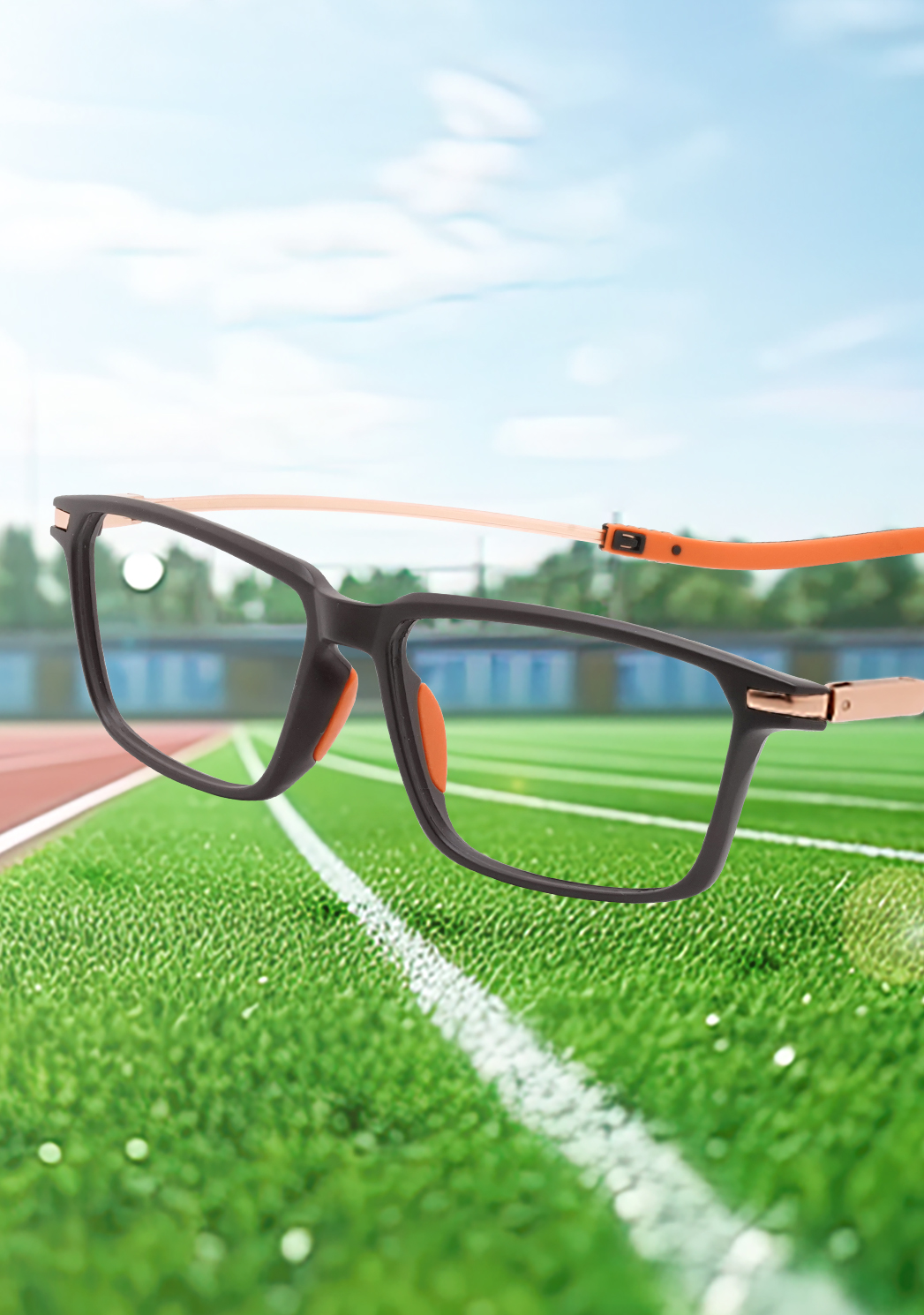
| Category 0 | 80% - 100% | Fashion/Indoors: Clear or very light tint. Used for safety glasses, indoor sports, or as a fashion statement on overcast days. Offers no glare reduction. |
| Category 1 | 43% - 80% | Low Light & Variable Conditions: Lightly tinted. Ideal for cloudy days, dawn/dusk driving, or for individuals sensitive to light indoors. |
| Category 2 | 18% - 43% | General Purpose/Everyday: The most versatile tint. Perfect for everyday wear, moderate sunlight, and driving in most daylight conditions. |
| Category 3 | 8% - 18% | Bright Sunlight: The standard for most sunglasses. Excellent for sunny days, beachwear, and general outdoor activities. Provides significant glare reduction. |
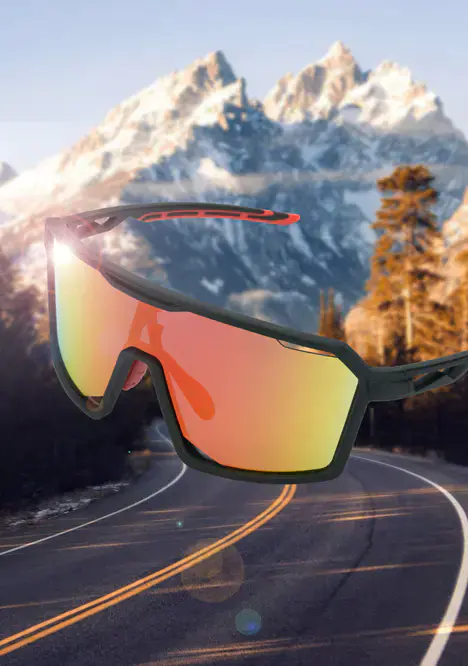
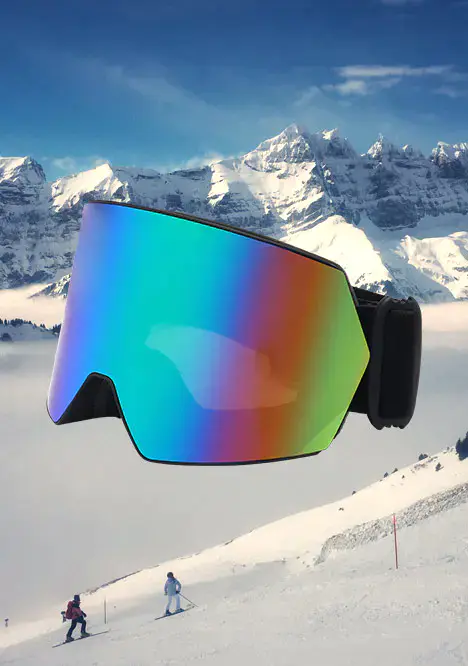
| Category 4 | 3% - 8% | Extreme Glare & Intense Light: Very dark lenses for specialized use like mountaineering, glacier travel, and high-altitude skiing. Not safe for driving. |
A Practical Guide to Choosing the Right Sunglass Category
Matching the lens category to your lifestyle is key to getting the most out of your eyewear. Using the wrong category can be uncomfortable at best and dangerous at worst.
Categories 0 & 1: For Low Light and Fashion
Lenses in these categories are very light and are not what most people consider "sunglasses." Category 0 lenses are often used for prescription glasses with clear UV protection or for indoor safety glasses. Category 1 is suitable for overcast days or for those who need a slight reduction in brightness without significant color distortion.
Category 2: The Everyday All-Rounder
For most people, Category 2 lenses offer the best balance of performance and versatility. They are dark enough to provide comfort in moderate sunlight without being so dark that they impair vision when moving into shaded areas. This makes them an excellent choice for daily driving and general wear in climates with variable weather.
Category 3: The Bright-Light Standard
When you think of a classic pair of sunglasses, you are likely thinking of Category 3. This level of tint is ideal for the bright, direct sunlight you experience on a summer day, at the beach, or during most outdoor sports. When paired with polarization, which specifically filters horizontal glare from surfaces like water and roads, Category 3 lenses offer exceptional visual comfort. As Harvard Health Publishing explains, polarization is a feature for glare, separate from UV protection, but the two are often combined in high-quality sunglasses.
Category 4: For Extreme Conditions Only

Category 4 lenses are specialty tools for extreme environments. The intense, reflected glare from snow and ice at high altitudes can be debilitating, and these lenses are designed to handle it. However, their low VLT makes them unsafe for activities that require quick adaptation to changing light, especially driving. Many countries have made it illegal to drive while wearing Category 4 lenses. The Federal Aviation Administration has similar stringent guidelines for pilots, emphasizing the need for appropriate light transmission to see signals and instruments clearly—a principle that applies directly to driving safety.
Beyond Darkness: Frame Fit and Lens Tech Matter
Choosing the right VLT is just one part of the equation. For true protection and comfort, you must also consider the frame design and lens technology.
Frame Coverage: Blocking Light from All Angles
UV radiation doesn't just come from the front. It can leak in from the top, bottom, and sides of your frames. A 3D head-form study published in a biomedical engineering journal found that frame geometry is a critical factor in overall eye protection. Oversized and wraparound styles that sit closer to the face offer significantly more protection by blocking this peripheral light. This is especially important in high-glare environments like on the water or snow.
Lens Materials and Coatings
The material of your lens contributes to its safety. The American Optometric Association recommends polycarbonate or Trivex lenses for active use due to their superior impact resistance. Furthermore, modern lens technology offers coatings that enhance performance. An anti-reflective (AR) coating is essential, and not just for reducing annoying reflections. As research on clear UV lenses shows, a standard AR coating can sometimes reflect UV rays from the back surface of the lens into your eye. A high-quality, UV-absorbing AR coating neutralizes this threat. For those with stronger prescriptions, exploring these lens coatings you need for a strong prescription can make a significant difference in visual quality and safety.
Key Takeaways
To make the best choice for your eyes, move beyond the myth of "darker is better" and focus on the technical specifications that truly matter.
- Prioritize UV400: This is the non-negotiable standard for health and safety. The color or darkness of the lens does not indicate its UV protection.
- Match the Category to the Activity: Use VLT as your guide. Choose Category 2 or 3 for general use and reserve Category 4 for specialized, extreme-light conditions.
- Coverage is Key: A great lens in a small, flat frame leaves your eyes exposed. Choose larger, wraparound styles for better protection from all angles.
- Don't Forget the Tech: Opt for impact-resistant materials like polycarbonate and invest in a quality anti-reflective coating that also blocks UV.
Frequently Asked Questions (FAQ)
Are darker sunglasses better for your eyes? No. The darkness (VLT) of a lens only affects visual comfort by reducing brightness. Eye protection is determined by the lens's certified ability to block UV radiation, indicated by a "UV400" or "100% UV Protection" label.
What is the best sunglass category for driving? Category 2 is excellent for a wide range of daylight driving conditions. Category 3 is also suitable for driving in bright, sunny conditions. Category 4 is unsafe and illegal for driving in many places because it is too dark.
Do polarized sunglasses provide more UV protection? No. Polarization is a separate feature that reduces glare from reflected horizontal light. While many high-quality polarized lenses also have UV400 protection, the polarization filter itself does not block UV rays.
Can I wear Category 4 sunglasses every day? It is not recommended. Category 4 lenses are too dark for general use and can impair vision in all but the most intensely bright conditions. They are designed for specific activities like high-altitude mountaineering.
If I have astigmatism, do I need special sunglass categories? The category of your sunglass lens relates to its darkness, not its corrective power. If you have astigmatism, you will need prescription sunglasses to see clearly. You can get these custom-made in almost any category, and this guide on special lenses for astigmatism in sunglasses can provide more detail.
Disclaimer: This article is for informational purposes only and does not constitute professional medical advice. Consult with a qualified eyecare professional to determine the best vision solutions for your specific needs, especially if you have pre-existing eye conditions.
References
- MD Anderson Cancer Center: 9 Things to Know About Sunglasses
- SPIE: UV Protection Provided by Sunglasses
- PMC (NIH): Ocular UV Dosimetry
- Harvard Health Publishing: Polarized Sunglasses
- Federal Aviation Administration: Sunglasses for Pilots
- American Optometric Association: UV Protection
- PMC (NIH): UV Protection by Clear Lenses and the Role of Back-Surface Coating


