



What Are the Top Sunglass Trends of This Year?
TL;DR: This Year's Top Sunglass Trends
Staying current doesn't have to be complicated. If you're looking for a quick update, here are the must-have sunglass trends of the year:
- Retro Revival: Frames from the '70s and '90s are back. Think oversized aviators, sleek wraparounds, and bold, geometric shapes.
- Color Explosion: While timeless neutrals are always in, expect to see a surge of vibrant, mood-boosting colors like electric blue and sunny yellow, alongside earthy tones like olive and terracotta.
- Statement Shapes: Unique silhouettes, sharp angles, and futuristic designs are taking precedence over subtle classics.
- Health is the Ultimate Trend: Regardless of style, 100% UV protection (look for a UV400 label) is non-negotiable. It's the most important feature of any pair you choose.
The Comeback Kids: Retro and Vintage-Inspired Frames
Fashion is cyclical, and this year, sunglass trends are taking heavy inspiration from the past. We're seeing a major resurgence of iconic shapes from the '70s and '90s, updated with modern materials and fresh details. I've noticed that these styles not only make a strong statement but often provide superior coverage, blending fashion with function seamlessly.
'70s Aviators and Bold Geometrics
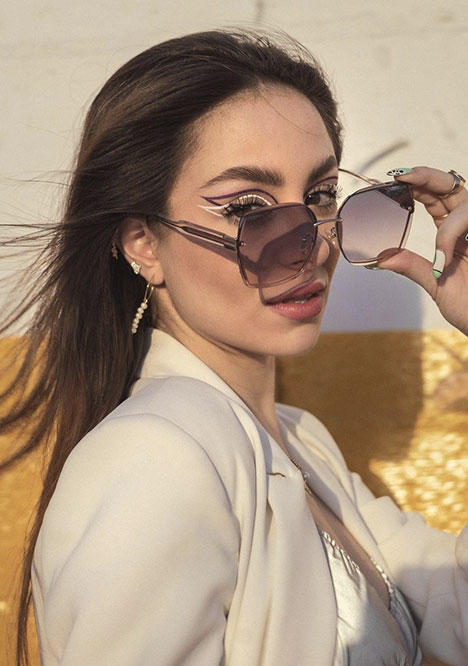
The '70s were all about oversized and expressive frames. This year, classic aviators are getting a modern update with more angular, geometric lenses and thicker acetate frames. These larger styles do more than just look cool; they offer significant protection. According to the American Academy of Ophthalmology (AAO), oversized or wraparound styles are highly effective at preventing damaging UV rays from entering your eyes from the periphery. This means a '70s-inspired frame isn't just a style choice—it's a smart health decision.
'90s and Y2K Sport Wraparounds
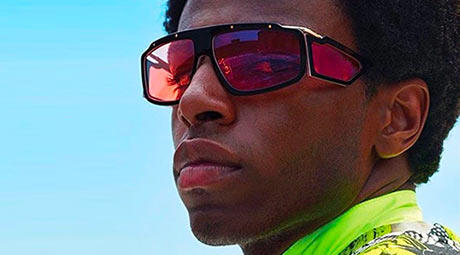
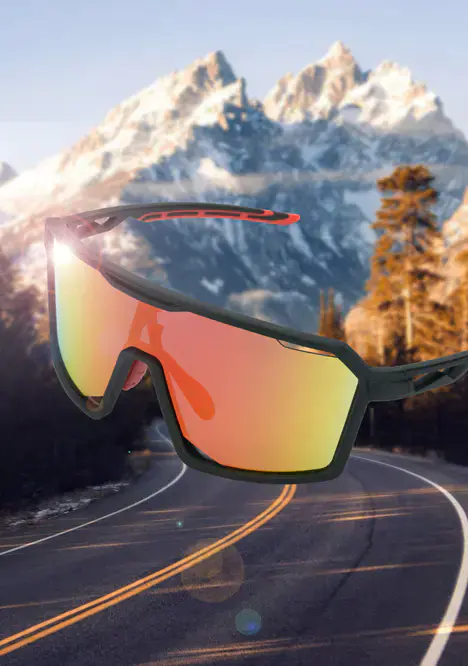
The sleek, sporty, and slightly futuristic wraparound frames of the late '90s and early 2000s are making a huge comeback. Characterized by their snug fit and aerodynamic lines, these sunglasses are perfect for an active lifestyle but have also been adopted by high fashion. The close fit of a wraparound frame is excellent for minimizing light leakage from the top and sides, which is crucial for protecting your eyes during activities like cycling, running, or boating.

A Spectrum of Style: Trending Colors and Tints
This year is all about personal expression through color. Whether you prefer understated elegance or a bold pop of color, there’s a palette for you. The trend extends beyond frame colors to the lenses themselves, where tints are being used for both aesthetic and functional purposes.
Earth Tones and Sophisticated Neutrals
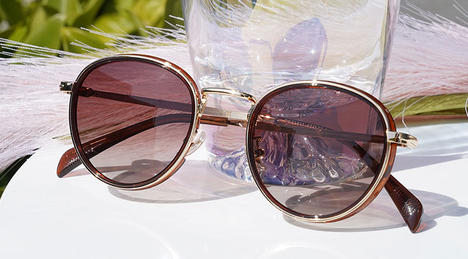
For those who favor a more minimalist or versatile look, earth tones are a dominant trend. Frames in shades of olive green, terracotta, sand, and warm brown offer a sophisticated alternative to basic black. These colors are easy to style and complement a wide range of skin tones, making them a reliable and fashionable choice for everyday wear.
Dopamine Dressing: Bold and Expressive Hues
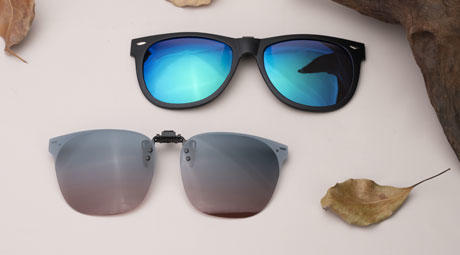
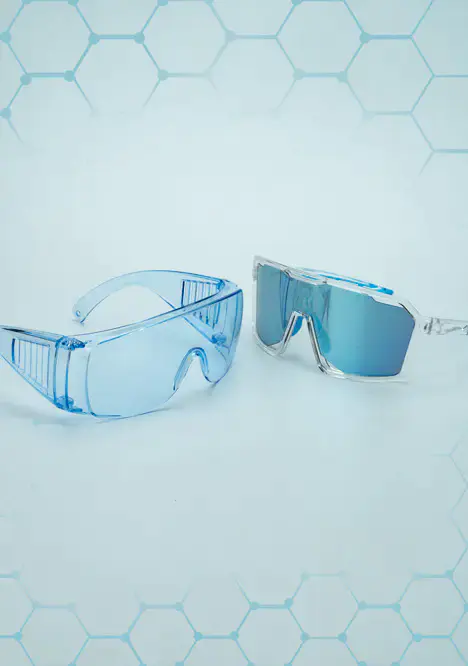
On the other end of the spectrum is the "dopamine dressing" trend, which involves using color to boost your mood. Bright, saturated hues are appearing everywhere. Think frames in electric blue, hot pink, lime green, and vibrant yellow. These sunglasses are designed to be the focal point of an outfit, adding a playful and energetic touch to your look.

Functional Tints: More Than Just a Color
The color of your lenses can significantly impact your visual experience. While gray, green, and brown tints are popular for their ability to minimize color distortion, other colors are trending for their specific benefits. According to the Cleveland Clinic, amber and brown lenses are excellent for enhancing contrast, which can be beneficial for activities like golf or for individuals with certain eye conditions.
However, a common misconception is that a darker lens provides better UV protection. This is a dangerous myth. In fact, as experts at MD Anderson Cancer Center warn, wearing dark lenses without certified UV protection can be more harmful than wearing no sunglasses at all. The dark tint causes your pupils to dilate, allowing even more damaging UV radiation to enter your eye. Always look for a sticker or label indicating "UV400" or "100% UV protection."
Beyond the Look: Why Technical Specs Still Rule
While it's fun to explore new styles, the primary purpose of sunglasses is to protect your eyes. True style is rooted in quality and safety. Every pair of sunglasses sold in the United States must meet specific safety standards, and understanding these can help you make a smarter purchase.
Expert Warning: Polarization is Not UV Protection
One of the most common points of confusion for buyers is the difference between polarized lenses and UV protection. They are not the same thing.
- UV Protection: This refers to a coating or inherent property of the lens material that blocks harmful ultraviolet (UVA and UVB) rays from reaching your eyes. This is a crucial health feature that helps prevent conditions like cataracts and macular degeneration.
- Polarization: As explained by Harvard Health Publishing, a polarized filter is designed to reduce glare—the intense, horizontal light that reflects off flat surfaces like water, pavement, or snow.
While polarization enhances comfort and visual clarity, it does not block UV rays on its own. You can have polarized lenses with no UV protection, and you can have 100% UV-protective lenses that are not polarized. For complete eye safety, you need UV400 protection. Polarization is a valuable add-on, especially for driving or water sports, but it should never be chosen instead of UV protection.
The Unseen Standard: Impact Resistance
According to the FDA's regulations (21 CFR 801.410), all sunglass lenses sold in the U.S. must be impact-resistant. This is verified using a "drop ball test," where a small steel ball is dropped onto the lens to ensure it doesn't shatter. This safety standard is vital for protecting your eyes from unexpected debris, whether it's a pebble kicked up on the highway or a stray branch on a hiking trail. This is why choosing a reputable retailer is key, as glasses from unregulated street vendors may not meet these critical safety standards.
How to Choose the Right Sunglass Trend for Your Face Shape
Finding a trendy frame that also flatters your features is the ultimate goal. While personal preference is most important, these guidelines can help you find a style that balances your proportions.
| Face Shape | Key Characteristics | Recommended Trendy Styles | Styles to Approach with Caution |
|---|---|---|---|
| Oval | Balanced proportions, chin is slightly narrower than forehead. | Almost any style works. Try bold geometric shapes or sporty wraparounds. | Extremely oversized frames that might overwhelm your balanced features. |
| Round | Soft curves with similar width and length, full cheeks. | Angular and geometric frames, sharp cat-eyes, and rectangular shapes. | Round or small frames that can make the face appear rounder. |
| Square | Strong jawline, broad forehead, and angular features. | Round frames, aviators, and styles with soft curves to contrast sharp lines. | Boxy, rectangular frames that can emphasize angularity. |
| Heart | Forehead is wider than the jawline, with a narrow chin. | Cat-eye styles, aviators, and frames that are wider at the bottom. | Top-heavy styles or frames with a lot of decorative detail on the browline. |
Wrapping Up: Marrying Style with Essential Safety
This year's sunglass trends offer a fantastic blend of retro nostalgia and futuristic flair. From oversized '70s geometrics to sporty '90s wraparounds, there is a style to suit every personality. The vibrant color palettes and unique lens tints provide even more avenues for self-expression.
However, the most important trend is one that never fades: prioritizing your eye health. Always ensure your chosen pair offers UV400 protection to shield your eyes from the sun's harmful rays. By understanding the difference between style features like polarization and essential health features like UV filtering, you can confidently select a pair of sunglasses that not only looks great but provides the critical protection you need.
Frequently Asked Questions (FAQ)
Do I need to wear sunglasses on a cloudy day? Yes. According to the AAO's sun safety guide, up to 80% of the sun's UV rays can penetrate clouds. Eye damage is cumulative, so it's important to wear protection even on overcast days.
Are more expensive sunglasses better? Not necessarily. Price is often tied to brand name, materials, and design complexity. However, a study in PubMed found that while price doesn't always correlate with quality, purchasing from unregulated sources like street vendors increases the risk of getting lenses with inadequate UV protection. Always buy from a reputable source that certifies its lenses.
What does UV400 mean? UV400 protection means the lenses are rated to block 99% to 100% of UVA and UVB rays, with wavelengths up to 400 nanometers. This is the standard you should always look for to ensure complete protection.
Is it safe for children to wear sunglasses? Absolutely. It's crucial. UV damage accumulates over a lifetime, and the Mayo Clinic advises that children should start wearing sunglasses as early as possible. Furthermore, research has shown that wearing sunglasses outdoors does not interfere with the beneficial effects of natural light in preventing myopia (nearsightedness), so there is no downside to protecting their sensitive eyes.
Disclaimer: This article is for informational purposes only and does not constitute medical advice. Please consult with a qualified eye care professional for any questions regarding your eye health.
References
- American Academy of Ophthalmology (AAO) - Choosing the Best Sunglasses: https://www.aao.org/eye-health/glasses-contacts/sunglasses-3
- Cleveland Clinic - Do Sunglasses Protect Your Eyes?: https://health.clevelandclinic.org/do-sunglasses-protect-your-eyes
- MD Anderson Cancer Center - 9 things to know about sunglasses: https://www.mdanderson.org/cancerwise/9-things-to-know-about-sunglasses--eye-protection-and-cancer.h00-159699123.html
- Harvard Health Publishing - Polarized sunglasses: https://www.health.harvard.edu/staying-healthy/polarized-sunglasses-protecting-your-eyes-from-harmful-glare
- FDA Guidance: Impact Resistant Lenses (21 CFR 801.410): https://www.fda.gov/regulatory-information/search-fda-guidance-documents/impact-resistant-lenses-questions-and-answers
- Mayo Clinic - Why sunglasses are a must-wear: https://newsnetwork.mayoclinic.org/discussion/mayo-clinic-minute-why-sunglasses-are-a-must-wear/


