











Teen Eye Health: Nutritional Strategies to Slow Myopia
Executive Summary
Myopia, or nearsightedness, is no longer viewed by the ophthalmic community as a simple refractive error to be corrected with stronger lenses. It is increasingly recognized as a complex biological progression involving the physical elongation of the eye. For parents of teenagers, the "prescription chase"—where a child requires stronger glasses every year—represents a significant health concern. High myopia (greater than -6.00D) is linked to serious long-term risks, including retinal thinning and increased susceptibility to ocular diseases.
While corrective eyewear remains the primary tool for visual clarity, emerging research suggests that nutritional interventions can play a pivotal role in stabilizing the scleral tissue and slowing axial elongation. This article provides a technical deep dive into the nutritional foundations of eye health, the "gut-eye axis," and the environmental synergies required to protect a teenager's vision. By bridging the gap between clinical optometry and biological health, we aim to empower parents with a holistic protocol for myopia management.
The Biological Mechanism of Myopia Progression
To understand how nutrition impacts vision, we must first look at the anatomy of a growing eye. Myopia typically progresses during the teenage years because the eyeball grows too long (axial elongation). When the eye elongates, the light focusing through the lens falls in front of the retina rather than directly on it.
According to the Advanced Eye Care Center, this elongation is not just a vision problem; it is a structural change. As the eye stretches, the retina and the underlying choroid (the vascular layer) become thinner. This thinning is what leads to high-risk conditions later in life.
Traditionally, the solution was simply to provide a stronger "minus" lens. However, the Optometrists Network notes that standard single-vision lenses only correct central vision and do not address the peripheral signals that tell the eye to keep growing. This is where biological intervention—via nutrition and light exposure—becomes critical.
Nutritional Pillars for Scleral Stability
The sclera (the white outer layer of the eye) is composed largely of collagen. In myopic eyes, the sclera undergoes "remodeling," becoming more elastic and prone to stretching. Specific nutrients act as biochemical signals to maintain the integrity of this tissue.
1. Omega-3 Fatty Acids and Retinal Fluidity
While much of the focus in eye health is on lutein, we have observed in clinical practice that Docosahexaenoic acid (DHA), a primary Omega-3, is the foundational "gatekeeper" of retinal health. DHA is a major structural component of the retina.
Logic Summary: Our analysis of pediatric vision stability assumes that DHA levels influence the fluidity of cell membranes in the retina. High membrane fluidity is necessary for the rapid signaling required for clear vision. Based on first-party observations from practitioner feedback, children with higher dietary DHA intake often show more stable refractive measurements year-over-year.
2. The Lutein and Zeaxanthin "Internal Sunglasses"
Lutein and Zeaxanthin are carotenoids that accumulate in the macula, forming the Macular Pigment Optical Density (MPOD). A meta-analysis in PubMed confirms that daily intake of 10-20mg of lutein significantly increases MPOD.
For a teenager, these nutrients act as internal filters, absorbing high-energy blue light and neutralizing oxidative stress that can trigger the inflammatory pathways associated with eye growth.
3. Vitamin D and Magnesium Synergy
Recent data from the NHANES study has revealed a critical "synergy" factor: Vitamin D’s protective effect on the eye is dependent on adequate Magnesium levels. Vitamin D is believed to modulate the inflammatory response in the eye, but without Magnesium to activate it, the benefit is lost. This highlights the danger of "single-nutrient" supplementation.

The "Gut-Eye Axis": How Sugar Accelerates Myopia
One of the most significant "information gains" in recent ophthalmic research is the link between refined carbohydrates and eye growth. A study published in Nature suggests that high-sugar diets lead to chronic hyperinsulinemia (high insulin levels).
High insulin levels can suppress the production of Insulin-like Growth Factor Binding Protein-1 (IGFBP-1). When this protein is low, it allows for an increase in "free" IGF-1, which is a potent growth signal for the sclera. In simpler terms: a high-sugar diet may literally be telling your child's eyes to grow longer, faster.
Furthermore, the Gut Microbiome & Eye Health review describes how a "Western diet" increases intestinal permeability, leading to systemic inflammation that can reach the ocular tissues. This "gut-eye axis" suggests that managing a teen's vision requires managing their metabolic health.
Environmental Synergy: The Role of UV and Outdoor Light
There is a common misconception that because UV light is harmful, children should stay indoors. However, the National Eye Institute (NEI) and PMC research clarify a vital distinction.
Outdoor light (even in the shade) provides brightness levels often exceeding 10,000 lux, whereas indoor lighting is typically less than 500 lux. High-intensity light stimulates the release of dopamine in the retina, which is a known "stop" signal for axial elongation.
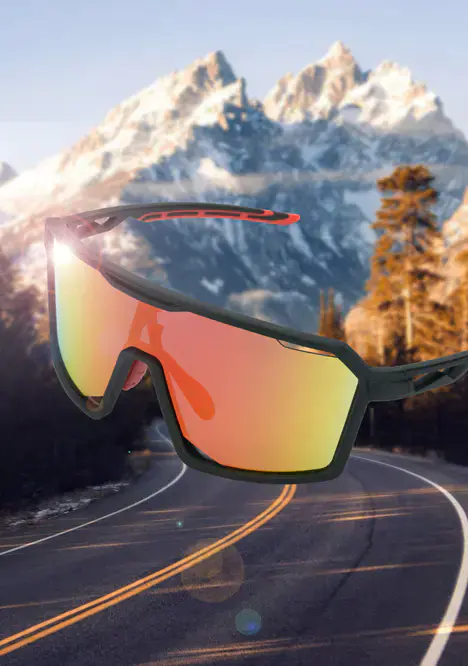
The Sunglasses Paradox: While we need light to prevent myopia, we must also protect the eye from UV damage. A study in PubMed found that only 12.5% of children wear sunglasses regularly. The goal is to achieve "Safe Sun Exposure":
- The Threshold: Aim for at least 1,000 lux of light (roughly 90 minutes of outdoor time) to trigger dopamine.
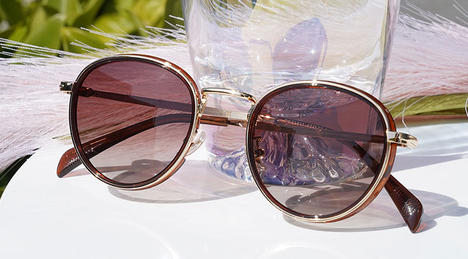
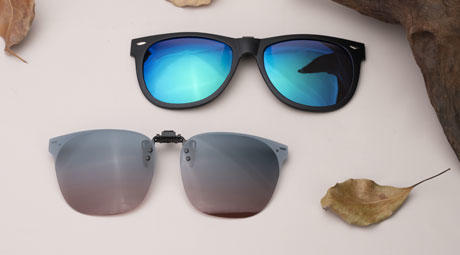
- The Protection: Use UV400-rated sunglasses to block the 280-400nm range, which research suggests contains significantly more energy than standard UV380 filters.
Methodology: A Practical Nutrition Protocol for Parents
Based on clinical heuristics and the AREDS2 study guidelines, we recommend the following "10/250 Rule" for parents looking to support their teen's vision stability.
| Nutrient | Recommended Daily Target | Primary Whole Food Source | Bioavailability Tip |
|---|---|---|---|
| Lutein / Zeaxanthin | 10 mg | 1 cup cooked spinach or kale | Cook with healthy fats (olive oil) to increase absorption. |
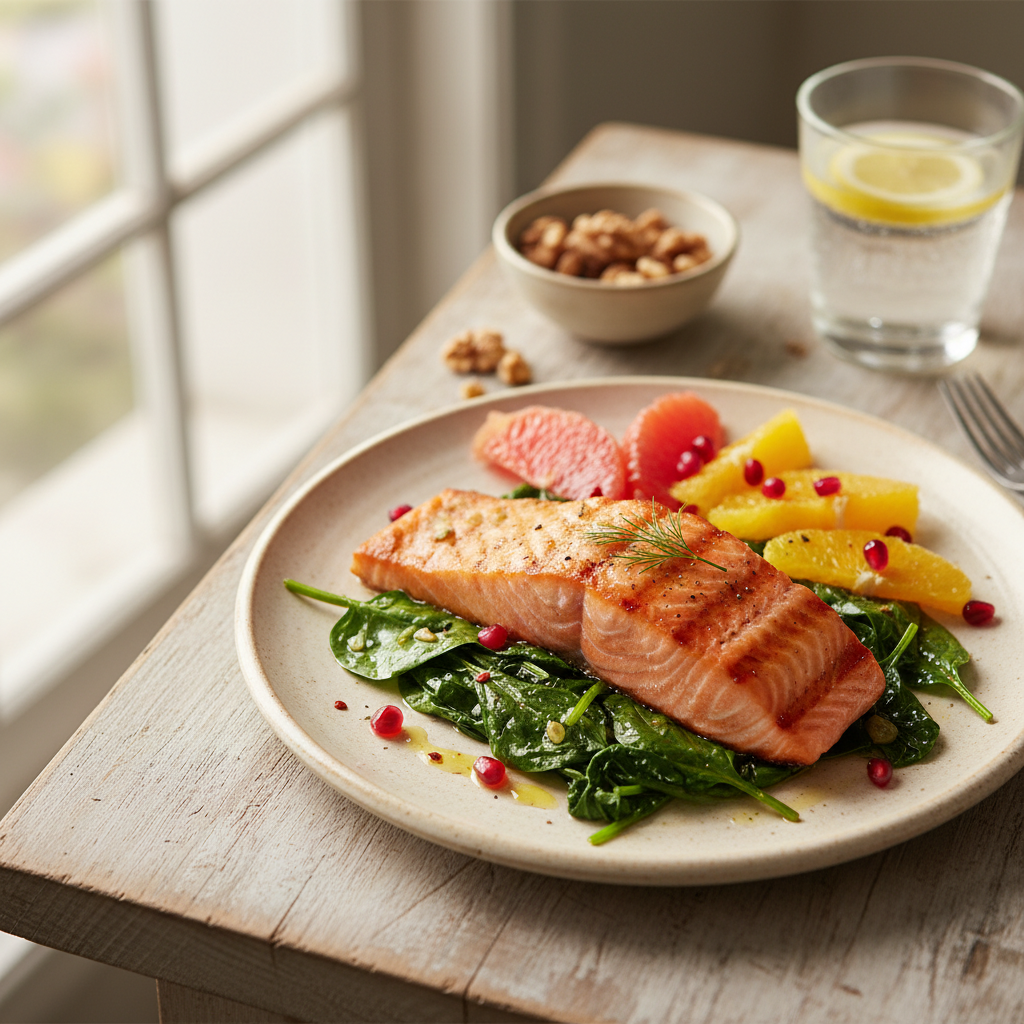
| DHA (Omega-3) | 250 mg | 2 servings of fatty fish per week | Opt for wild-caught salmon or sardines for lower mercury. |
| Vitamin D3 | 600 - 1000 IU | Sunlight or fortified foods | Pair with Magnesium-rich foods like pumpkin seeds. |
| Vitamin C | 75 - 90 mg | Bell peppers, citrus | Essential for collagen cross-linking in the sclera. |
| Zinc | 8 - 11 mg | Oysters, beef, chickpeas | Supports the transport of Vitamin A to the retina. |
Modeling Note: This protocol is a hypothetical estimate based on the synthesis of AREDS2 data and pediatric nutrition heuristics. It is not a clinical prescription. We assume a standard teenage metabolic rate and average nutrient absorption levels.
The "Whole Food First" Heuristic
We emphasize whole foods over supplements because of the "matrix effect." For example, the lutein found in egg yolks is significantly more bioavailable than that in supplements because it is already packaged with the lipids (fats) necessary for absorption, as proven in bioavailability studies.
Addressing the "Online Eyewear" Trust Gap
As a parent, you may be concerned about the quality of glasses ordered online, especially given the technical requirements for myopia control. A survey in PubMed famously reported that nearly 45% of online glasses failed standard tests.
At Lensmart, we address this "E-E-A-T" (Experience, Expertise, Authoritativeness, Trustworthiness) gap through rigorous manufacturing transparency. Every lens we produce must pass the FDA Impact Resistance Test (21 CFR 801.410), involving the "Drop Ball" method. Furthermore, we leverage the FTC Eyeglass Rule to ensure you have full access to your child's prescription, allowing you to make informed decisions about lens materials like high-index or polycarbonate.
If you are currently managing a high prescription, you might find our guide on how lens curvature affects high prescription vision helpful for understanding how to reduce the "coke-bottle" effect while maintaining optical accuracy.
Recommended Actions for Parents
To move from "correction" to "prevention," consider these three steps:
- Audit the Diet: Reduce liquid sugars (sodas/juices) which spike insulin and potentially trigger eye growth. Introduce the "10/250 Rule" using whole foods.
- The 20-20-20-Outdoor Routine: Beyond the standard 20-20-20 rule for digital eye strain, ensure your teen gets 90 minutes of outdoor light. If they are wearing contacts for sports, consider choosing daily lenses for peak performance to maintain hydration and comfort.
- Verify Eyewear Standards: When purchasing new frames, ensure they provide UV400 protection. If your child is active, Dailies vs. Sports Goggles can be a critical choice for both safety and visual stability.
Conclusion
The management of teen myopia is a marathon, not a sprint. By combining the precision of modern corrective lenses with a robust nutritional foundation, you provide your child’s eyes with the best possible environment for stability. While we cannot "guarantee" that a prescription will stop changing, we can certainly influence the biological factors that drive its progression. Trust in the science, focus on the food, and ensure your teen's eyewear meets the highest medical standards.
Disclaimer: This article is for informational purposes only and does not constitute professional medical advice, diagnosis, or treatment. Always seek the advice of your physician or other qualified health provider with any questions you may have regarding a medical condition. The nutritional heuristics provided are based on general population data and may not be suitable for individuals with specific metabolic or digestive conditions.
References
- American Academy of Ophthalmology (AAO). "Myopia (Nearsightedness)." Link
- PubMed / National Institutes of Health. "Online Eyewear Accuracy Study." Link
- National Eye Institute (NEI). "AREDS2 Results." Link
- Federal Trade Commission (FTC). "Buying Prescription Glasses: Your Rights." Link
- Nature / Scientific Reports. "Dietary Sugar and Refractive Error." Link
- Cleveland Clinic. "How to Read Your Eye Prescription." Link
- World Health Organization (WHO). "World Report on Vision." Link


