









Thyroid Eye Disease: Choosing Frames to Disguise Proptosis
Finding Your Confidence: A Guide to Choosing Eyeglass Frames for Thyroid Eye Disease
Living with Thyroid Eye Disease (TED), also known as Graves' Ophthalmopathy, presents unique challenges that go beyond vision. The physical changes, such as proptosis (bulging eyes) and eyelid retraction, can significantly impact self-confidence. While medical treatment is the priority, the right pair of eyeglasses can be a powerful tool to help you feel more comfortable and in control of your appearance.
This guide is not about fashion trends; it’s about functional aesthetics. We will explore the specific optical principles and frame design characteristics that can help cosmetically minimize the appearance of proptosis, providing comfort, restoring facial harmony, and empowering you with confidence.
TL;DR: Key Strategies for Selecting Frames
- Prioritize Depth: Choose frames with a deep, curved front and a generous vertex distance (the space between the lens and your eye). Avoid flat-front styles.
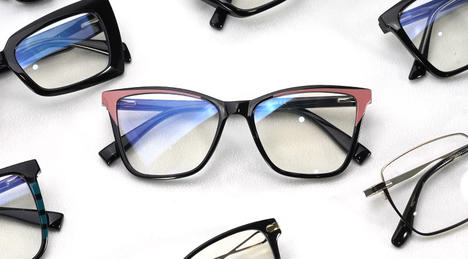
- Go Bolder: Select thicker, darker, and larger frames. These draw attention to the eyewear itself and create shadowing effects that make the eyes appear less prominent.
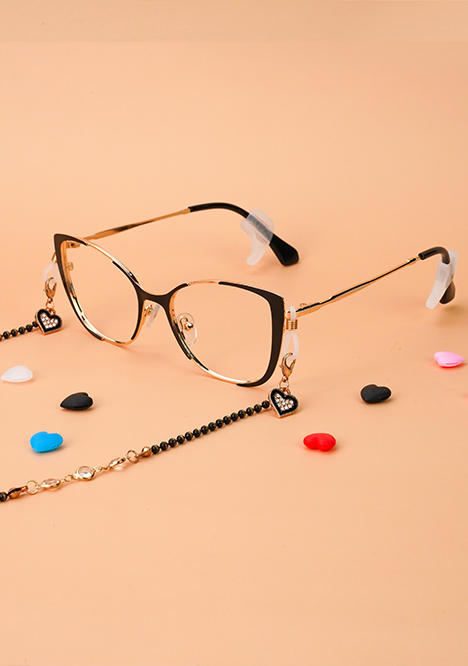
- Leverage Shape: Upswept styles like cat-eye or browline frames can create a visual "lift," counteracting a downward gaze.
- Insist on High-Index Lenses: If you have a moderate to high prescription, high-index lenses are essential. Their thinner profile prevents the thick edges that can spoil the camouflaging effect of the frame.
- Get a Professional Fitting: An experienced optician is crucial for ensuring the frame provides the correct vertex distance and fits securely without irritating sensitive tissue.
The Optical Challenge: More Than Meets the Eye
Thyroid Eye Disease is an autoimmune condition where the body's immune system attacks the tissues behind and around the eyes. This inflammation can cause the muscles and fat tissues to swell, pushing the eyeball forward (proptosis) and causing the eyelids to pull back (eyelid retraction). This not only creates a prominent or "staring" appearance but can also lead to severe dry eye, light sensitivity, and discomfort.
From an optical standpoint, the goal is to use the lines, shadows, and depth of an eyeglass frame to create an illusion of recession, making the eyes appear as if they are set further back in the face. It’s a strategic balance of diverting attention, creating depth, and ensuring physical comfort. While treatments like selenium supplementation have been shown in clinical trials like the EUGOGO study to improve outcomes and quality of life for patients with mild Graves' orbitopathy, eyewear serves as a critical day-to-day aid for both function and appearance.
The Four Pillars of Frame Selection for Proptosis
Choosing the right frame involves focusing on four key design elements. Getting these right will have a more significant impact than any other factor.
Pillar 1: Frame Depth and Vertex Distance
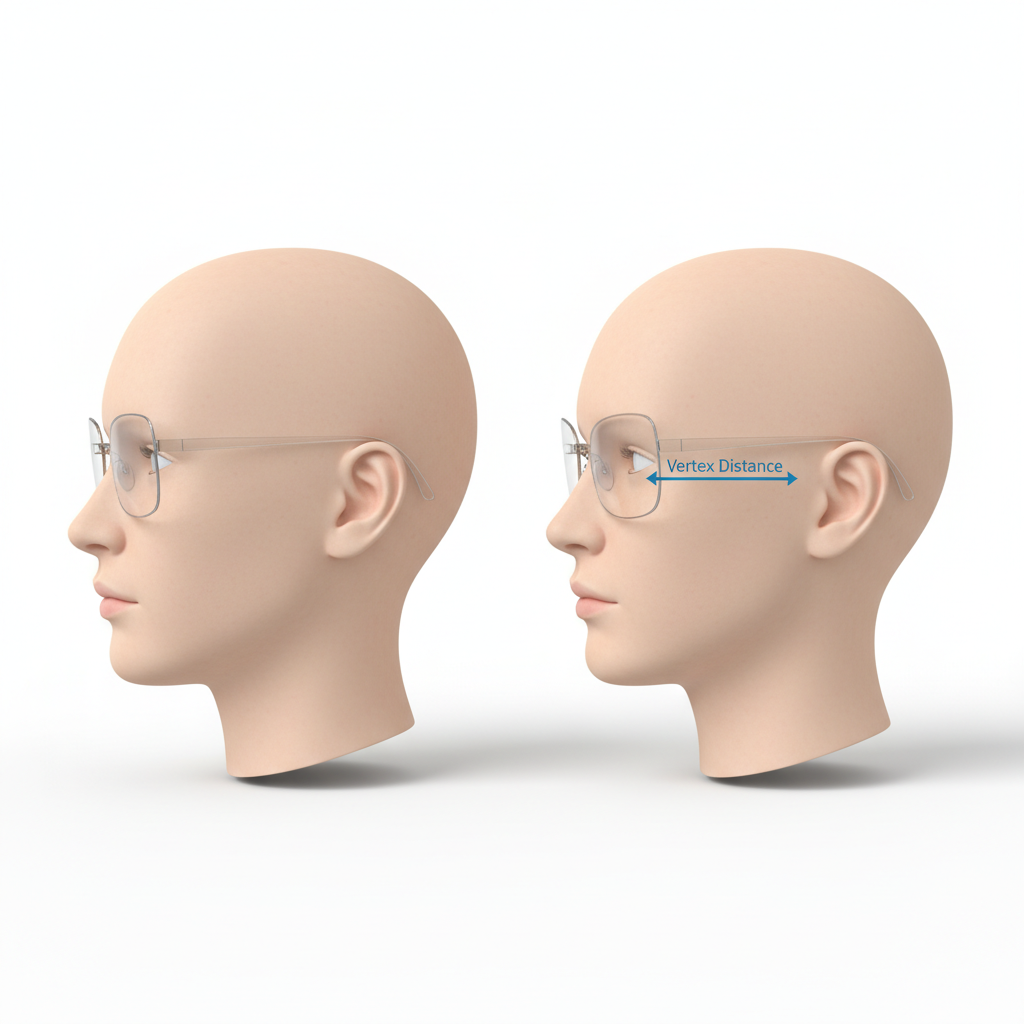
This is the most critical and often overlooked element. Vertex distance is the space between the back surface of the eyeglass lens and the front of your cornea. For TED patients, optimizing this distance is paramount.
- The Problem with Flat Frames: Many modern, stylish frames have a very flat front. When worn by someone with proptosis, the lenses can sit uncomfortably close to the eyelashes, brows, or swollen eyelids, causing irritation. Optically, this flat plane does nothing to create a sense of depth.
- The Solution with Curved Frames: The ideal frame has a more pronounced curvature, wrapping slightly around the face. This design physically pushes the lenses forward, increasing the vertex distance. This extra space not only prevents physical irritation but also creates a shadow box effect, making the eyes appear deeper set and less prominent.
When you are trying on frames, look at your profile in a mirror. There should be a clear, comfortable gap between your lashes and the lens, and the frame front should not look flush against your brow and cheeks.
Pillar 2: Frame Size, Shape, and Bridge Fit
Once you’ve found a frame with adequate depth, consider its overall dimensions and shape.
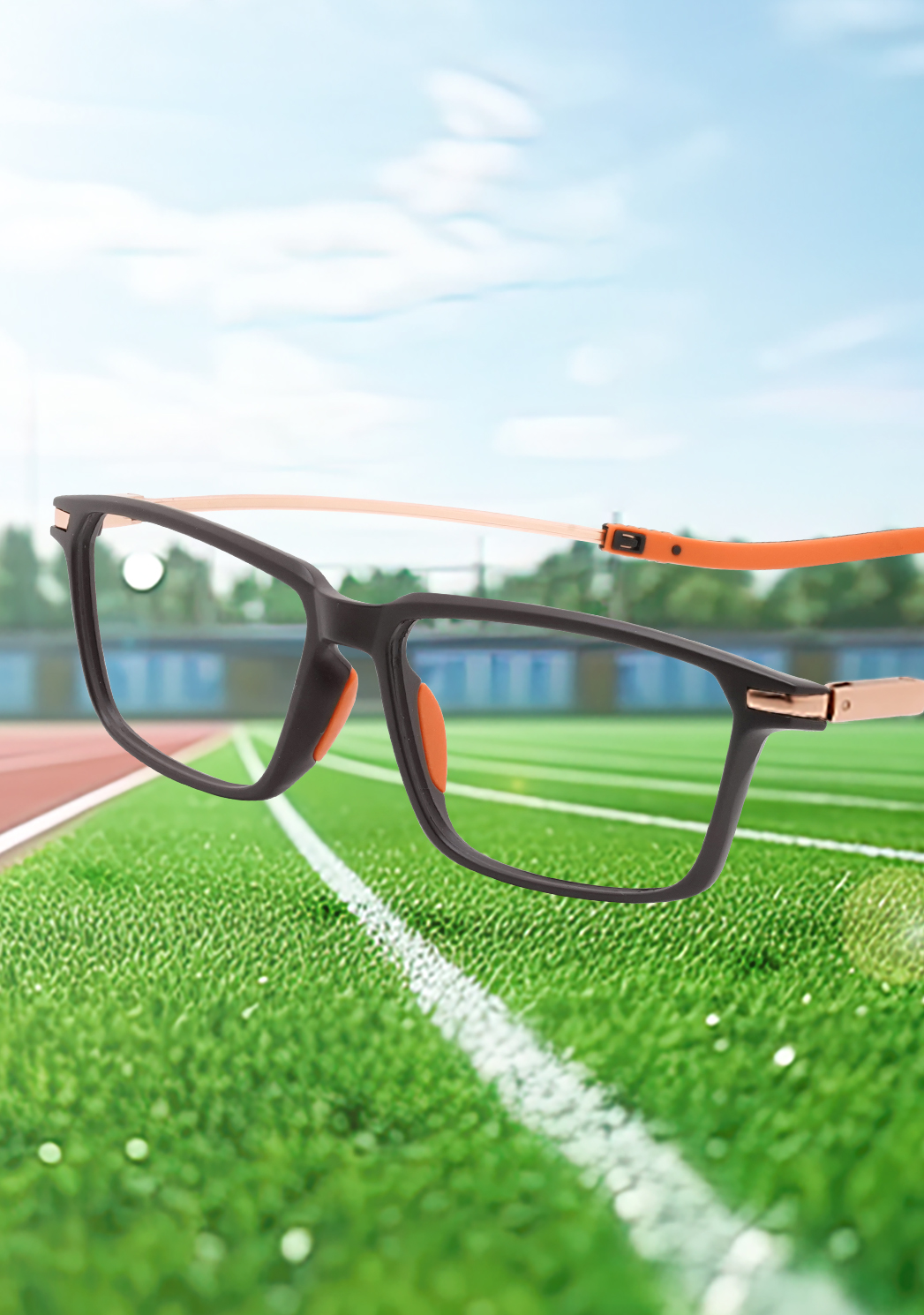
- Size Matters: In this case, bigger is often better. Larger lenses and bolder frames command more attention than the eyes themselves. A larger frame provides more coverage and is more effective at breaking up the orbital area. Avoid small, minimalist, or delicate frames, which will be visually overwhelmed and can accentuate eye prominence.
- Strategic Shapes: Upswept shapes, such as a classic cat-eye or a browline style, are excellent choices. The upward-angling lines create visual lift, drawing attention up and away from the eye itself. This can help counteract the appearance of eyelid retraction. Rectangular shapes with soft edges also work well by providing structure.
- The Crucial Bridge: The bridge of the frame must fit your nose perfectly. If the bridge is too wide, the glasses will slide down, altering the vertex distance and requiring constant adjustment. If it's too tight, it will be uncomfortable. A secure fit is non-negotiable for both comfort and optical effectiveness.
Pillar 3: The Power of Color and Material
The material and color of your frames contribute significantly to their camouflaging effect.
- Material: Choose frames made from thicker materials like acetate. The visual weight of a substantial acetate frame is far more effective than a thin, wire-rimmed metal frame. Thin metal outlines the eye area without providing any distracting mass.
- Color: Dark, solid, and matte colors are your best allies. Black, dark tortoiseshell, deep navy, or espresso brown absorb light and create shadows. This inherent shadowing helps enhance the illusion of depth. Avoid translucent, brightly colored, or shiny frames, as they reflect light and draw attention directly to the eyes.
- Finish: A matte finish is preferable to a high-gloss one. Glossy surfaces create reflections and highlights, which can negate the frame's intended purpose.
Pillar 4: Why Your Lenses Are Part of the Frame
You can choose the perfect frame, but the illusion can be broken if the lenses aren't right. This is especially true for those with moderate to high prescriptions, which are common.
According to Ferris State University, high-index lens materials bend light more efficiently than standard plastic. This means they can be made significantly thinner and lighter for the same prescription power. For a person with proptosis, this isn't just a cosmetic upgrade; it's a functional necessity.
Standard-index lenses will have thick, visible edges that stick out from the side of the frame. This thickness can catch light and effectively erase the camouflaging effect of a well-chosen deep frame. A high-index lens, by contrast, keeps the edges thin and tucked neatly within the frame, preserving the optical illusion from all angles.

Finalizing Your Choice: Professional Fitting and Essential Add-Ons
While the principles in this guide provide a strong foundation, they are best implemented with the help of a qualified optician.
- The Non-Negotiable Professional Fitting: Online virtual try-on tools cannot assess the three-dimensional reality of your facial structure and the specific needs related to TED. An optician can take precise measurements, including pupillary distance (PD) and optical center (OC) height, and most importantly, assess the vertex distance of a frame on your actual face. They can make crucial adjustments to the frame's pantoscopic tilt and temple fit to ensure optimal vision and comfort.
- Anti-Reflective (AR) Coating: An AR coating is a highly recommended addition. It eliminates reflections on the surface of your lenses. For someone with proptosis, this is doubly important. First, it makes the lenses appear almost invisible, preventing distracting glare that can draw attention to the eyes. Second, it allows others to see your eyes more clearly without a reflective barrier, improving personal connection.
- The Option of Tints: Many people with TED experience significant photophobia (light sensitivity). A light, functional tint can be added to your primary pair of glasses. A 10-15% gray or brown tint is often enough to take the edge off harsh indoor lighting without being dark like sunglasses. This can dramatically improve comfort throughout the day.
Frequently Asked Questions
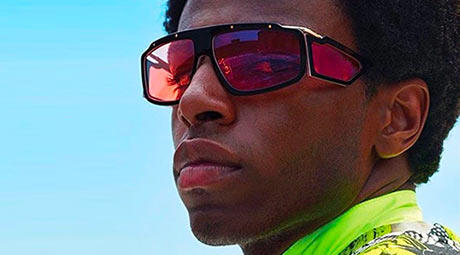
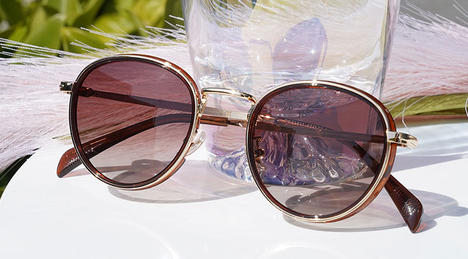
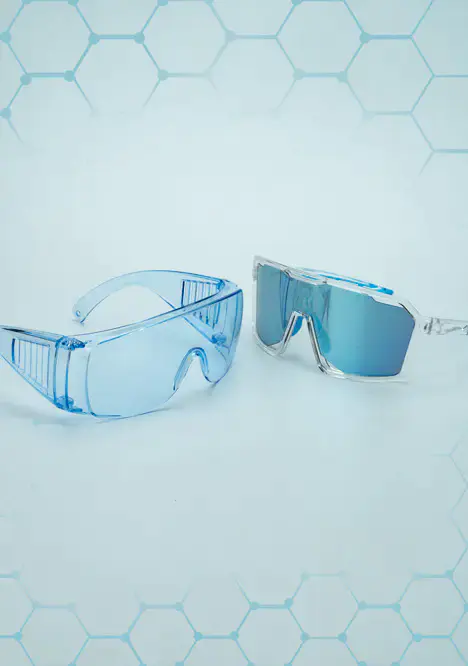
Q: What type of sunglasses are best for Thyroid Eye Disease? A: Sunglasses are essential for protecting sensitive eyes from UV radiation and reducing discomfort from brightness and wind. The best choices are large, oversized, or wraparound styles. These designs provide maximum coverage, blocking light from entering around the periphery of the frame, which is a key factor in effective UV protection as noted in studies on frame geometry.
Q: Can I wear contact lenses with TED? A: It can be very challenging. The proptosis and eyelid retraction associated with TED often lead to severe dry eye syndrome, making contact lens wear uncomfortable and sometimes risky. Always consult with your ophthalmologist or optometrist who manages your TED before attempting to wear contact lenses.
Q: How often should I get my eyes checked if I have TED? A: Thyroid Eye Disease can cause changes in your vision, including fluctuations in your prescription and, in some cases, issues with your optic nerve. It is vital to follow the specific schedule recommended by your ophthalmologist. Never purchase new glasses using an old prescription; a comprehensive, recent eye exam is the necessary first step.
Q: Why do my current glasses seem to make my eyes look more prominent? A: This is a common issue and is likely due to a combination of factors. The frame is probably a "flat-front" design with a short vertex distance, made of a thin or light-colored material. If you also have a strong prescription in standard lenses, the edge thickness will further contribute to this effect.
Disclaimer: This article is for informational purposes only and does not constitute medical advice. The information provided is not a substitute for professional consultation with an ophthalmologist or optometrist. If you have Thyroid Eye Disease, please consult with your healthcare provider to determine the best course of treatment and management for your specific condition.


