







Travel Tips for Myopes: Managing Vision on the GoBase
Traveling the world is an experience that should be filled with vibrant sights and clear memories. But for the millions of us with myopia (nearsightedness), the practical realities of travel can sometimes blur the excitement. A forgotten pair of glasses, a broken frame, or the simple discomfort of dry eyes on a plane can quickly turn an adventure into a frustrating ordeal. This is not just about inconvenience; it is about maintaining the utility of your most critical sensory tool while away from home.
This guide is built on practical, real-world strategies to help you manage your vision effortlessly on the go. We will move beyond generic advice to provide expert-backed tips that address the specific frustrations myopic travelers face, from packing your bags to navigating different climates and time zones.
TL;DR: Your Quick Survival Checklist
- Carry a Spare: Always pack a backup pair of glasses in your carry-on bag, never in checked luggage.
- Digitize Your Rx: Keep a clear photo of your up-to-date prescription on your phone and saved to a cloud service.
- Pre-Empt Dryness: On flights, use preservative-free lubricating eye drops before you feel symptoms, not after.
- Defeat Fog: In humid climates, a tiny drop of dish soap polished onto your lenses can prevent fog for hours.
- Verify UV Protection: Ensure any sunglasses you wear are explicitly labeled "UV400" or "100% UV Protection." Dark lenses are not enough.
The Spare Pair Strategy: Your Primary Travel Insurance
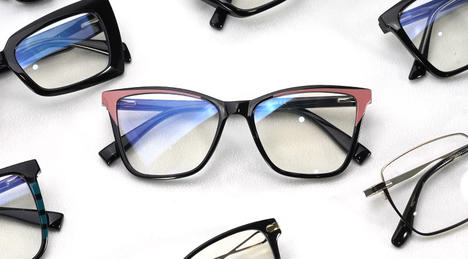
Your prescription glasses are medical devices, and losing them abroad is more than a nuisance—it can derail an entire trip. Relying on a single pair is a significant risk. A backup pair is the single most important piece of travel insurance a myopic person can have.
The #1 Packing Mistake to Avoid
A surprisingly common error is packing spare glasses in checked luggage. The cargo holds of airplanes experience dramatic shifts in pressure and temperature, which can warp plastic frames and damage the delicate chemical layers of lens coatings. You might land to find your backup pair is unwearable.
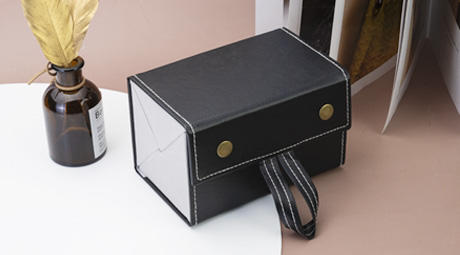
Experienced travelers are unanimous: always carry your spare glasses in a hard case inside your personal item or carry-on bag. This keeps them protected from impact and environmental extremes, ensuring they are safe and accessible the moment you land.

The Digital Spare: Your Ultimate Fallback
Beyond a physical backup, you should carry a digital copy of your prescription. Take a clear, well-lit photograph of your entire prescription paper and save it to your phone. For added security, upload this image to a cloud storage service like Google Drive or iCloud.
This digital proof is invaluable if you lose both your primary and spare pairs and need to have a new set made abroad. It contains the essential technical data—like Sphere (SPH), Cylinder (CYL), and Axis—that any qualified optician can use to craft a replacement.
Prescription Power: Access, Legality, and Understanding
Having your prescription is one thing; being able to use it is another. Understanding your rights and the language of your Rx can save you from significant trouble, especially when you're far from home.
You Own Your Prescription—It's the Law
Many consumers are unaware that their prescription legally belongs to them. According to the Federal Trade Commission's Eyeglass Rule, your eye care provider is required to give you a copy of your prescription at the conclusion of your exam. You do not have to ask for it, and they cannot condition its release on you purchasing eyewear from them. This consumer right is the foundation of your freedom to get glasses made wherever you are, making it a critical piece of travel preparedness.
Decoding Your Prescription for Emergencies
When you look at your prescription, it can seem like a foreign language. However, knowing a few key terms can empower you to communicate effectively in an emergency. As explained by the Cleveland Clinic, the main values are:
- OD (Oculus Dexter): This refers to your right eye.
- OS (Oculus Sinister): This refers to your left eye.
- Sphere (SPH): This indicates the main power of your lens, measured in diopters. A minus sign (-) means you are nearsighted.
- Cylinder (CYL) & Axis: These values correct for astigmatism, an imperfection in the curvature of your eye. They must be present together.
Having a basic grasp of these terms can help you verify that a replacement pair is being made correctly.
Eye Hygiene and Comfort in Demanding Environments
Travel exposes our eyes to unusual stressors, from the recycled air of an airplane cabin to the intense UV radiation at high altitudes. Proactive care is essential for maintaining comfort and health.
The Airplane Challenge: Combating Cabin Dryness
The air inside an airplane cabin has extremely low humidity, which can cause significant eye dryness and discomfort, especially for contact lens wearers. To combat this, it's far more effective to use preservative-free lubricating drops before symptoms begin and reapply them periodically during the flight. Waiting until your eyes feel gritty means you're already behind.
For this reason, wearing glasses instead of contact lenses on long-haul flights is a highly recommended practice. It reduces the risk of dryness and minimizes the chance of infection. As the Centers for Disease Control and Prevention (CDC) notes, behaviors like sleeping in lenses dramatically increase the risk of serious eye infections like microbial keratitis.
Humid Climates: The Anti-Fog Secret Weapon
Walking out of cool, air-conditioned buildings into hot, humid air can instantly fog up your lenses, rendering you blind for a few moments. While commercial anti-fog wipes exist, they can leave streaks. A far more reliable and inexpensive solution comes from a simple household item: dish soap.
Here’s the method: Apply a single, small drop of basic dish soap to each side of your lenses. Rub it across the entire surface, then gently buff it away with a dry, clean microfiber cloth until the lens is clear. This leaves behind an invisible surfactant film that prevents water vapor from condensing into fog. It’s a game-changing hack for anyone traveling to a coastal or tropical destination.

Sun & UV: The Invisible Danger
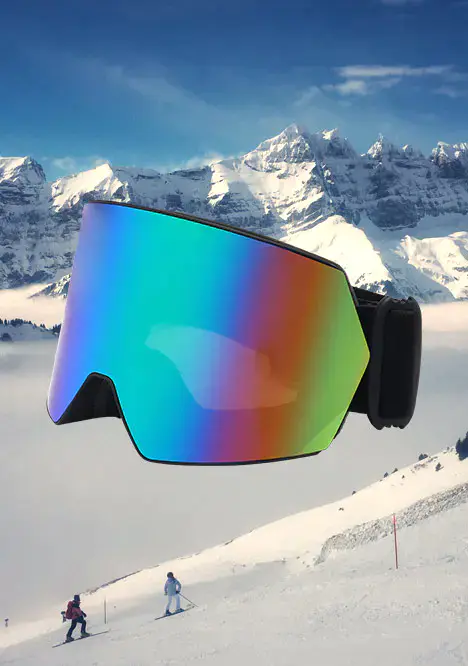
Protecting your eyes from ultraviolet (UV) radiation is critical, and travel often increases our exposure. UV levels are higher at high altitudes, and they reflect powerfully off snow and water. Even on cloudy days, a significant amount of UV radiation penetrates the cloud cover, as noted by the American Academy of Ophthalmology (AAO).
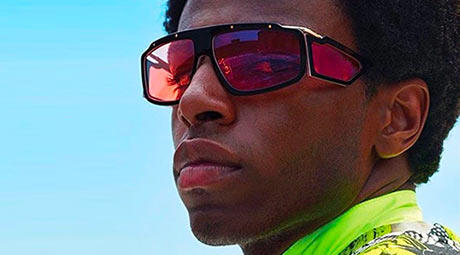
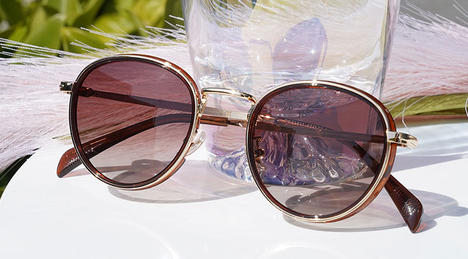
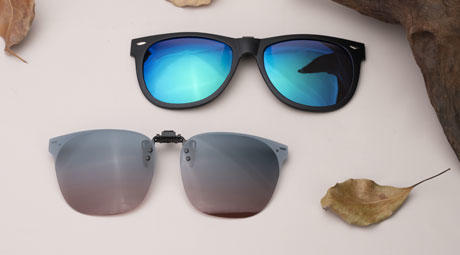
The most dangerous mistake is assuming any dark lens offers protection. In fact, wearing dark sunglasses without certified UV blocking is worse than wearing none at all. As experts at MD Anderson Cancer Center explain, the dark tint causes your pupils to dilate, allowing more damaging UV radiation to enter the eye. Always buy sunglasses that are explicitly labeled "UV400" or "100% UV Protection."
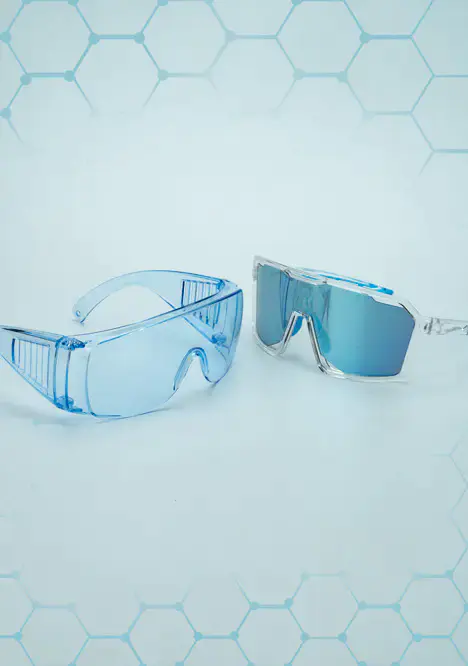
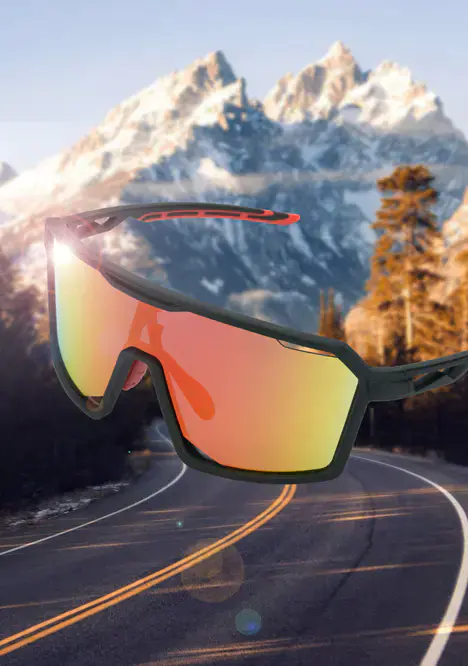
Furthermore, frame design plays a crucial role. A 3D study published in a National Center for Biotechnology Information (NCBI) journal found that standard, medium-sized frames offered the least protection because they allowed significant UV leakage from the periphery (sides and top). For maximum safety during outdoor activities, choose oversized or wraparound styles that fit closely to your face.
FAQ: Answering Your Top Travel-Vision Questions
What if I lose or break my only pair of glasses while traveling? This is where your preparation pays off. First, use your spare pair. If you don't have one, access the digital copy of your prescription and find a reputable local optician. Most tourist areas have services that can make single-vision lenses relatively quickly.
Are cheap sunglasses from a souvenir stand safe? It's a gamble you shouldn't take. While a high price doesn't always guarantee quality, research highlighted in PubMed shows that glasses from unregulated, informal markets have a higher risk of being non-compliant with UV protection standards. Without a "UV400" label, you are risking your eye health.
Can I swim in the pool or ocean with my contact lenses in? Absolutely not. The Environmental Protection Agency (EPA) warns that tap water, pools, lakes, and oceans contain a dangerous microorganism called Acanthamoeba. It can become trapped behind a contact lens and cause a severe, painful infection that is difficult to treat and can lead to vision loss.
Quick Troubleshooting Tips on the Road
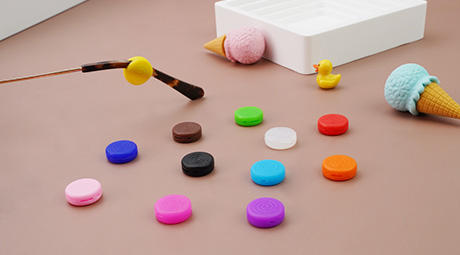
- Slipping Glasses: If heat and humidity are making your frames slide down your nose, thoroughly clean the nose pads and bridge of the glasses with soap and water to remove skin oils. In a pinch, wrapping a small rubber band or hair tie around the end of the temple arms (behind your ears) can add extra grip.
- Sudden Vision Changes or Pain: Do not dismiss this as travel fatigue. Sudden blurriness, flashes of light, floaters, or eye pain are symptoms that require immediate medical attention. Seek out a local clinic or hospital.
- Adjusting Medication Schedules: For those who use medicated eye drops for conditions like glaucoma, adjusting to a new time zone can be tricky. A practical approach is to shift your dosing schedule by 1-2 hours each day until you align with the local time, rather than making one abrupt, large change. This maintains better consistency.
Disclaimer: This article is for informational purposes only and does not constitute professional medical advice. The information provided is not a substitute for a comprehensive eye exam or a consultation with a qualified healthcare provider. Always consult your ophthalmologist or optometrist for any issues concerning your eye health, especially if you have pre-existing conditions.


