







What Is the 3-1-1 Rule for Contacts? A Traveler's Essential Guide
TL;DR: Navigating TSA with Contact Lenses
- The Rule: All liquids, aerosols, and gels in your carry-on must be in containers of 3.4 ounces (100ml) or less. All containers must fit into a single, clear, quart-sized zip-top bag.
- What's a Liquid? Contact lens solution, rewetting drops, and saline solution all count towards your liquid allowance.
- What's Not a Liquid? Sealed daily disposable lens packs, empty lens cases, and your backup eyeglasses are not considered liquids and don't need to be in your liquids bag.
- Best Practice: Pack daily disposables for ultimate convenience. For monthly/bi-weekly lenses, use travel-sized (≤3.4 oz) solution bottles or decant from a larger bottle into a labeled, TSA-approved container.
- Carry-On is Key: Never pack all your vision supplies in a checked bag. Always keep at least a few days' worth of lenses and a backup pair of glasses in your personal item.
Traveling should be about the destination, not about debating with a security agent over a bottle of contact lens solution. Yet, for the 45 million Americans who wear contact lenses, navigating the Transportation Security Administration (TSA) 3-1-1 rule can be a source of stress and confusion. A simple mistake can lead to your essential, and often expensive, supplies being confiscated.
This guide provides clear, authoritative answers. We will break down exactly how the 3-1-1 rule applies to your lenses, solutions, and drops. You will learn expert packing strategies to ensure you travel with confidence, knowing your eye care routine remains sterile, compliant, and uninterrupted, no matter where you go.
Decoding the 3-1-1 Rule for Eye Care
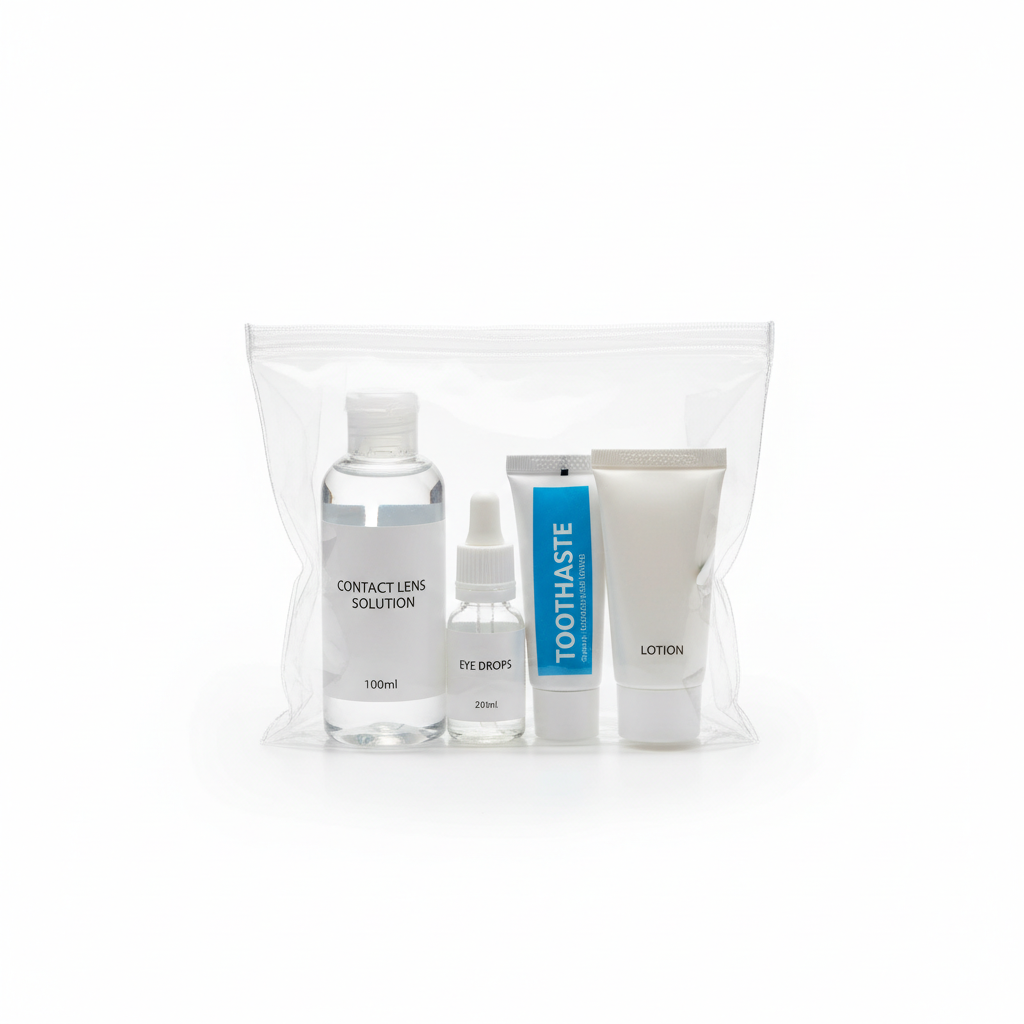
The TSA's 3-1-1 rule is a straightforward policy designed to limit the amount of liquids passengers can bring in their carry-on luggage. It's easy to remember:
- 3.4 ounces (100 milliliters) or less per container.
- 1 quart-sized, clear, zip-top bag to hold all your containers.
- 1 bag per passenger.
What Counts as a "Liquid"?
For contact lens wearers, the primary items subject to this rule are the fluids you use for cleaning, disinfecting, and rewetting. Misunderstanding this is the most common failure point for travelers.
- Contact Lens Solution: All multi-purpose, hydrogen peroxide-based, or saline solutions are considered liquids. Large, economy-sized bottles are prohibited in carry-ons and will be confiscated. This is a frequent mistake opticians see; travelers often bring large, unlabeled bottles that far exceed the 3.4 oz limit.
- Rewetting Drops: Any eye drops or artificial tears, whether for contacts or general dry eye, fall under the 3-1-1 rule.
What is Exempt from the 3-1-1 Rule?
Not everything in your lens care kit is a liquid. Understanding these exceptions is key to maximizing your carry-on space.
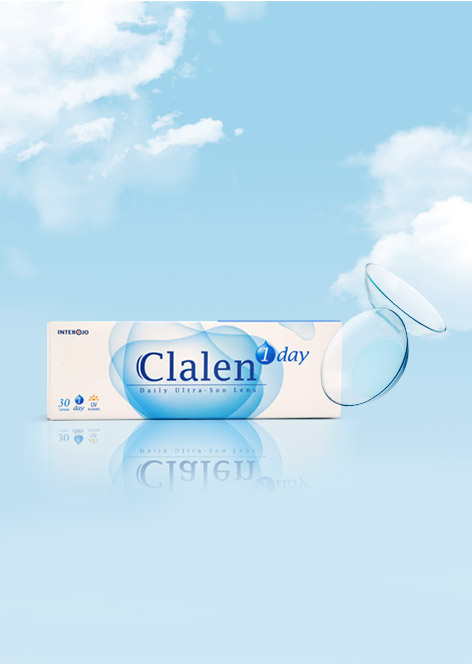
- Sealed Daily Disposable Lenses: Individual, factory-sealed blister packs of daily disposable lenses are not typically counted as liquids by the TSA. While they contain a small amount of saline, their primary form is solid. For a hassle-free screening, it's wise to place them in your clear liquids bag to avoid any potential questions from security agents.
- Contact Lens Cases: Your empty case for storing monthly or bi-weekly lenses is a solid item and does not need to go in your liquids bag.
- Prescription Eyeglasses: Your backup pair of glasses is a must-have travel essential and is not subject to the rule.
Smart Packing Strategies for Every Type of Lens Wearer
How you pack depends entirely on the type of lenses you wear. The goal is to balance compliance, convenience, and sterile care.
For the Daily Disposable Wearer: The Path of Least Resistance
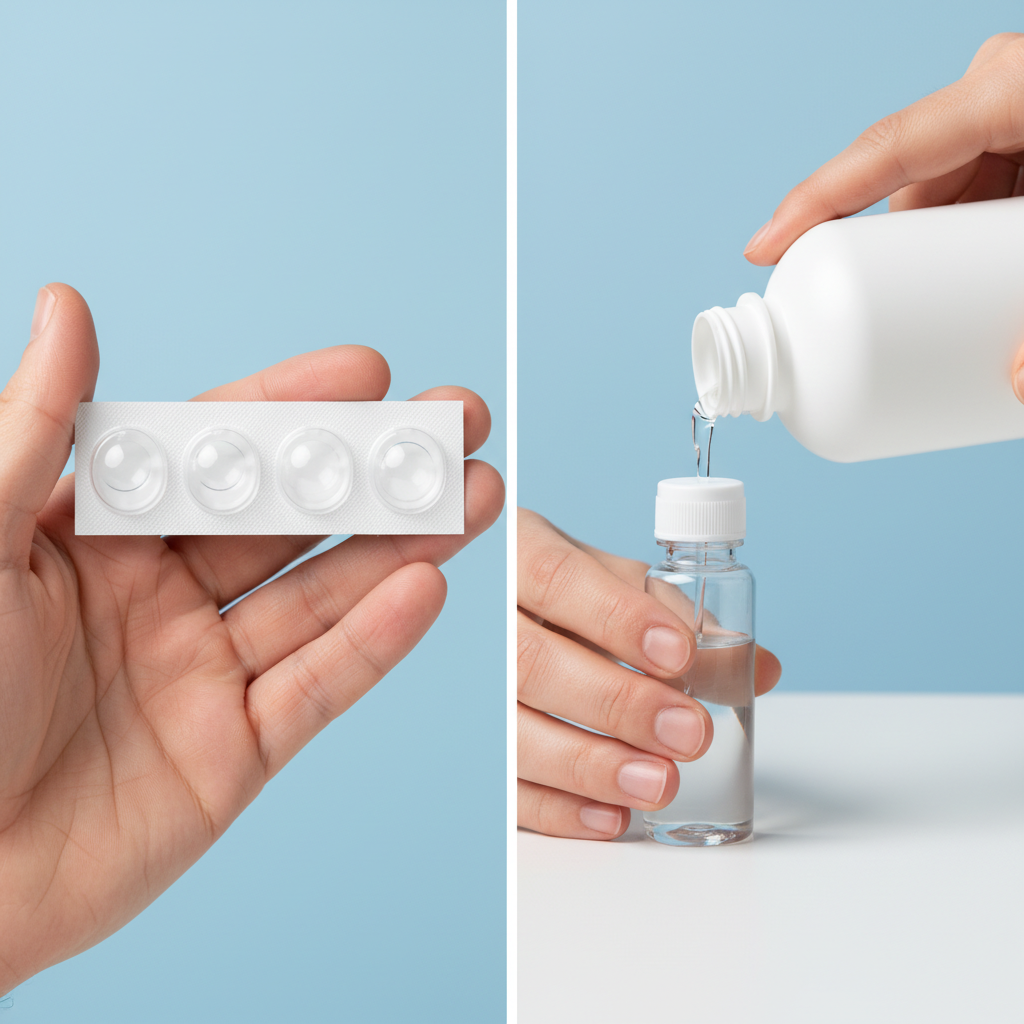
If you use daily disposable lenses, you have the simplest packing strategy. These single-use lenses are the gold standard for travel hygiene, eliminating the need for cases and solutions.
- Count Your Days: Pack one pair of lenses for each day of your trip, plus at least three extra pairs as a buffer for loss or damage.
- Keep Them Accessible: Place the sealed strips of lenses in your carry-on bag. While they aren't liquids, keeping them in your clear toiletry bag can speed up security checks.
- Consider Rewetting Drops: If you're prone to dryness, especially on long flights, bring a travel-sized bottle of preservative-free rewetting drops. Daily lenses can also be beneficial for those who experience travel-related dry eyes.
For the Monthly & Bi-Weekly Wearer: The Solution Solution
If you wear reusable lenses, your primary challenge is the solution. You have two main options:
- Purchase Travel-Sized Bottles: The most straightforward method is to buy a factory-sealed bottle of your preferred solution that is 3.4 oz (100ml) or smaller. This ensures sterility and is immediately recognizable to TSA agents.
- Decant into Approved Containers: You can transfer solution from a larger bottle into a smaller, reusable travel container. If you do this, you must ensure the travel bottle is clean and clearly labeled to avoid mix-ups. However, be aware that this carries a risk of contamination if not done in a sterile manner.
Expert Tip: When flying, the dry cabin air and pressure changes can dehydrate your lenses. Before sealing your lens case for the flight, add an extra drop of fresh solution. This provides an additional moisture buffer to keep lenses from drying out.
Carry-On vs. Checked Luggage: The Golden Rule
Never place all your vision supplies in your checked luggage. This is the most critical rule of all. Checked bags can be delayed or lost, leaving you without the ability to see clearly or care for your lenses.
- Personal Item: Always pack your backup eyeglasses, your lens case, and at least a two-day supply of lenses and solution in your personal item (the bag that goes under the seat in front of you).
- Carry-On: The rest of your travel-compliant supplies can go in your carry-on roller bag.
- Checked Bag: You can pack larger, economy-sized bottles of solution here. It's a good idea to place them in a sealed plastic bag to prevent leaks.
Maintaining Hygiene and Health on the Go
Travel exposes you to new environments and disrupts routines, which can increase the risk of eye infections. According to the Centers for Disease Control and Prevention (CDC), a vast majority of contact lens wearers engage in at least one risky hygiene behavior. When traveling, diligence is paramount.
- Hand Hygiene: Always wash your hands with soap and water before handling your lenses. If that's not possible, use an alcohol-based hand sanitizer and let it dry completely before touching your eyes or lenses.
- Never Use Tap Water: This is a non-negotiable rule. Tap water, whether domestic or international, can contain microorganisms like Acanthamoeba, which can cause severe, sight-threatening infections, as noted by the Environmental Protection Agency (EPA). Never use it to rinse your lenses or case.
- Respect the Solution: Never reuse or top-off old solution in your lens case. Each night, discard the old solution, rinse the case with fresh solution (not water), and fill it with new solution. Topping off solution is a dangerous practice that significantly increases your risk of infection.
- Stay Hydrated and Lubricated: Airplanes have extremely low humidity, which can cause significant dryness. Drink plenty of water and use preservative-free rewetting drops approved for contact lenses throughout the flight.
Remember: Contacts are Medical Devices
The U.S. Food and Drug Administration (FDA) classifies all contact lenses as medical devices, even those with no corrective power. They require a valid prescription from an eye care professional. Always travel with a copy of your prescription (a digital photo on your phone is fine) in case you need to replace your lenses or glasses unexpectedly.
Frequently Asked Questions
-
Can I bring a large bottle of contact solution if it's for medical purposes? While the TSA has provisions for medically necessary liquids in larger quantities, it often requires additional screening and documentation. It is far simpler and faster to pack your solution according to the 3-1-1 rule or place larger bottles in your checked luggage.
-
What should I do if a TSA agent questions my supplies? Calmly explain that contact lenses and their solutions are medically necessary items. Having them in a clear bag, properly sized and labeled, will almost always prevent any issues.
-
Can I wear my contacts during the flight? Yes, but be prepared for dryness. Many travelers prefer to wear their glasses during the flight for better comfort and switch to their contact lenses upon arrival.
-
Should I bring my lens case even if I wear dailies? It's a good, low-stakes backup. In the rare event your eyes become irritated and you need to remove your daily lenses mid-day, you'll have a safe place to store them temporarily before you can dispose of them properly.
This article is for informational purposes only and does not constitute professional medical advice. Always consult with a qualified eye care professional for any questions regarding your vision or health. Adhere to the guidelines provided by the TSA and your airline when traveling.


