









Ultra-Lightweight Frames: Reducing Fatigue During Long Shifts
TL;DR: The Lightweight Advantage
For professionals working 8+ hour shifts, especially in front of screens, the physical weight of eyeglass frames creates a cumulative burden that leads to pressure points, headaches, and distraction. Ultra-lightweight materials like titanium and advanced memory plastics significantly reduce this load. However, the frame is only half the equation; pairing it with high-index lenses (1.67 or higher for strong prescriptions) is critical to creating a truly comfortable, barely-there eyewear experience that boosts focus and endurance.
The Invisible Burden: How Heavy Frames Sabotage Your Workday
During a long workday, we focus on ergonomic chairs and monitor height, but often ignore the one piece of equipment sitting directly on our face. An extra few grams might seem trivial, but over eight, ten, or even twelve hours, that constant pressure takes a toll. This isn't just about comfort; it's a matter of occupational ergonomics.
Heavy frames exert continuous force on two primary areas: the bridge of your nose and the sensitive skin behind your ears. This can lead to:
- Pressure Marks: Deep, red indentations on the nose that can become sore and irritated.
- Tension Headaches: Constant pressure from ill-fitting or heavy temple arms can create a "clamping" sensation, contributing to tension headaches.
- Constant Distraction: Heavier glasses are more prone to slipping down your nose, forcing you to constantly push them back up. This diverts mental resources and breaks your concentration.
This physical strain is compounded by the visual demands of digital work. When we stare at screens, our blink rate can drop by more than half, from a normal 15 times per minute to as few as 5-7 times per minute, as noted by the American Academy of Ophthalmology. This leads to Digital Eye Strain (DES) and dry, tired eyes. Adding the physical burden of heavy frames means your body is fighting a battle on two fronts: visual and physical. By minimizing the physical load, you free up resources to better handle the visual strain.

A Material Difference: Choosing Your Feather-Light Ally
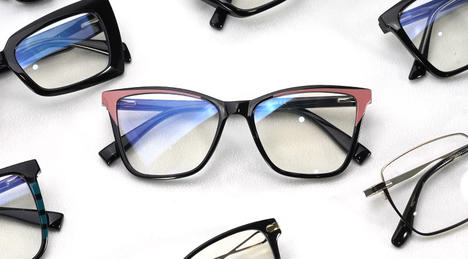
Modern material science has revolutionized eyewear, moving beyond traditional heavy plastics and metals. For those seeking maximum comfort during long shifts, two categories stand out: titanium and advanced memory plastics.
Methodology Note: The following comparison is based on standard material properties and common observations from opticians. Individual experiences may vary based on frame design and fit.
| Feature | Titanium | Memory Plastic (e.g., TR90/Ultem) | Standard Acetate (Baseline) |
|---|---|---|---|
| Weight | Ultra-light | Extremely light | Moderate to Heavy |
| Flexibility | Strong but rigid | Highly flexible, returns to shape | Rigid |
| Durability | Extremely high, corrosion-resistant | Very high, impact-resistant | Good, but can become brittle |
| Hypoallergenic | Yes (typically nickel-free) | Yes | Generally, but some additives can cause reactions |
| Best For | Professionals seeking maximum durability, a minimalist aesthetic, and premium feel. | Active individuals, those prone to breaking glasses, or anyone wanting ultimate flexibility. | Style-conscious users who prioritize color and pattern variety over minimal weight. |
Titanium: The Aerospace Standard
Titanium is renowned for its exceptional strength-to-weight ratio. It's as strong as steel but about 45% lighter. This allows for incredibly thin, minimalist frame designs that are both durable and feather-light. Its inherent resistance to corrosion from skin oils and environmental factors, along with its hypoallergenic nature, makes it a prime choice for sensitive skin.
Memory Plastics: The Resilient Contender
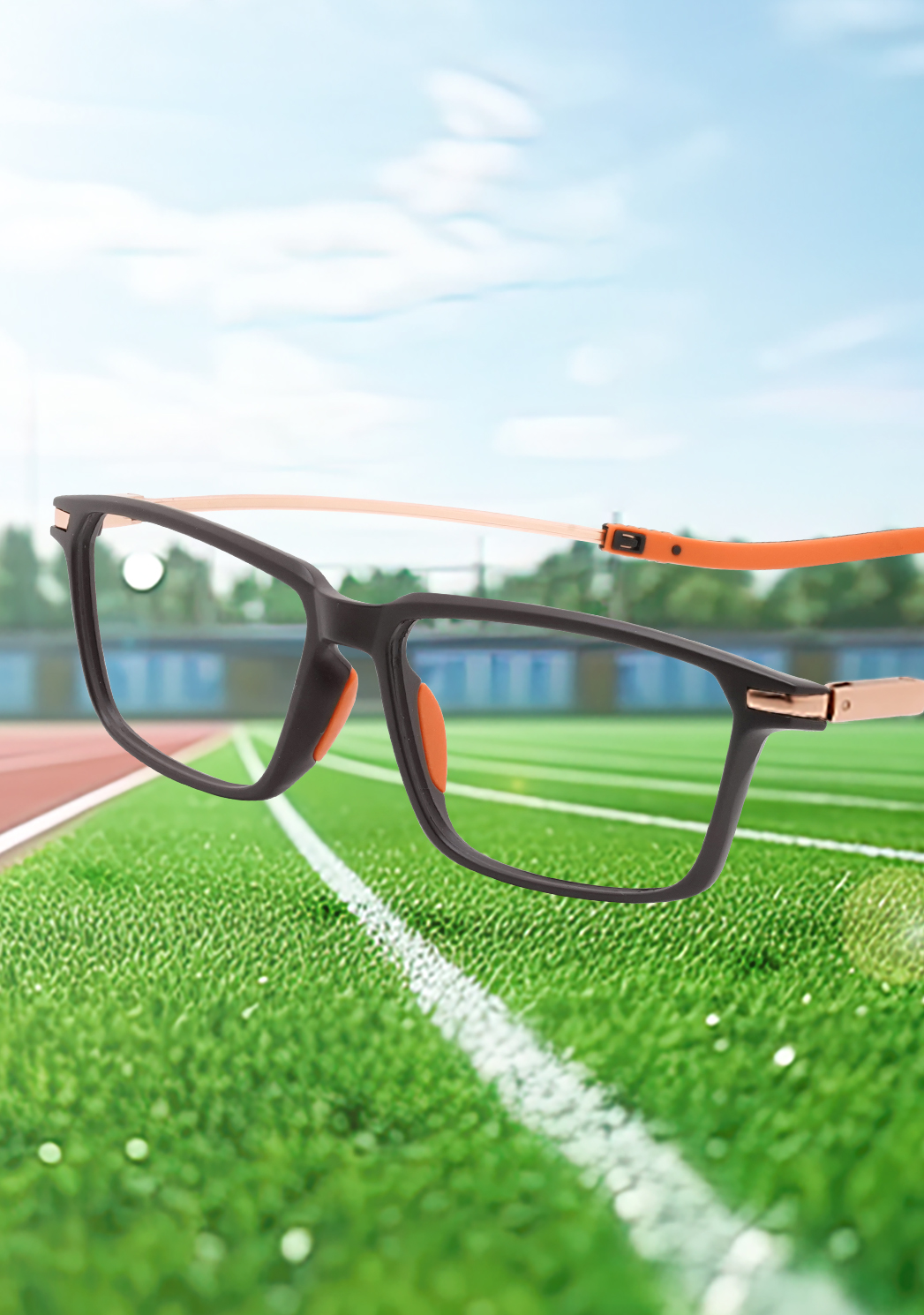
Materials like TR90 and Ultem are often called "memory plastics" for their remarkable ability to bend under pressure and snap back to their original shape. This makes them virtually indestructible under normal use. They are even lighter than titanium and offer a softer, more comfortable feel against the skin, making them an excellent choice for all-day wear.

The Total Package: Why Your Lenses Are as Important as Your Frame
A common mistake is investing in an ultra-lightweight frame only to pair it with thick, heavy lenses. This completely negates the benefit and can create an unbalanced, front-heavy pair of glasses that constantly slips. The key to a truly lightweight package is selecting the right lens material, which is determined by its refractive index.
- What is Refractive Index? It’s a measure of how efficiently a material bends light. The higher the index, the less material is needed to achieve the same prescription power. This results in a thinner, lighter, and more attractive lens.
Expert Insight: Based on years of fitting experience, a high-prescription lens in a lightweight frame requires a minimum lens index of 1.67. Using a standard 1.50 index lens, especially in a larger frame, can make the glasses feel just as heavy as a standard pair, defeating the purpose of the lightweight frame investment.
For users with strong prescriptions, opting for high-index lenses is not just an upgrade; it's a necessity for comfort. It also helps reduce the "eye distortion" effect that can occur with thicker lenses, a topic we explore further in our guide on how strong prescriptions can affect your appearance.
Perfecting the Fit: Adjusting and Maintaining Lightweight Frames
Ultra-lightweight frames have unique fitting characteristics. Their flexibility, while a benefit for durability, requires a slightly different approach to adjustment.
-
The "Settling-In" Period: Memory plastic frames are so flexible that their initial "perfect fit" can relax slightly after a week or two of continuous wear as the material adapts to your body heat and habits. Experienced opticians often recommend a follow-up visit for a minor re-tightening. A good rule of thumb is to check the temple fit every two weeks for the first month.
-
Specialized Tools: Adjusting titanium frames, particularly the nose pads, requires precision. Opticians use nylon-tipped pliers to avoid making micro-scratches on the frame or its coating. These tiny scratches can compromise hydrophobic (water-repelling) and oleophobic (oil-repelling) coatings, leading to more slippage from skin oils over time.
Self-Check for a Perfect Fit:
- The Slip Test: Tilt your head down as if looking at your shoes. Your glasses should not slide more than a few millimeters down your nose.
- The Pressure Test: After wearing your glasses for an hour, take them off. There should be no deep, sore red marks on your nose or behind your ears.
- The Shake Test: Gently shake your head from side to side. The frames should feel secure without feeling tight.
If you fail any of these tests, a quick trip to an optician for an adjustment is in order.
Disclaimer: This article is for informational purposes only and does not constitute professional medical advice. Consult with a qualified optometrist or ophthalmologist to determine the best eyewear solution for your specific needs, especially if you have pre-existing conditions.
References
- American Academy of Ophthalmology. (n.d.). Computer Use and Eyestrain. Retrieved from https://www.aao.org/eye-health/tips-prevention/computer-usage
- Human Factors and Ergonomics Society. (2007). ANSI/HFES 100-2007 Human Factors Engineering of Computer Workstations. While not directly cited for a specific rule, this standard informs the overall ergonomic principles discussed.


