









Ultra-Lightweight Rimless: Balancing Lens Strength and Comfort
The Invisible Strength: A Guide to Ultra-Lightweight Rimless Eyewear
Rimless glasses offer the ultimate in minimalist aesthetics. They promise a "barely there" feeling, blending seamlessly with your features for a look that is sophisticated and unobstructed. Yet, for many, this delicate appearance raises a critical question: are they strong enough for daily life? The fear of a lens cracking or a frame snapping is a common barrier for style-conscious shoppers.
This guide tackles that concern head-on. We will analyze the trade-off between minimizing weight and ensuring durability. By understanding the material science and engineering principles behind modern rimless designs, you can confidently choose a pair that delivers all-day comfort without sacrificing the toughness required for everyday wear.
TL;DR: Key Takeaways for Durable Rimless Wear
- Material is Non-Negotiable: Only two lens materials are safe for rimless designs: Polycarbonate and Trivex. Their exceptional impact resistance is essential to prevent cracking at the drill-mount points.
- Failure Happens at the Connection: The weak point isn't the lens itself, but the hardware connecting the lens to the temples and bridge. Proper assembly is more critical than for any other frame type.
- Handling Matters: The primary cause of loosening and breakage is improper handling, specifically removing glasses with one hand. Always use two hands to maintain alignment and reduce stress on the mounting points.
- Quality is in the Details: A high-quality rimless frame will have smoothly polished drill holes. Rough or chipped holes create stress points that will inevitably lead to cracks.
The Science of Strength: Why Material Choice is Everything
When you remove the supportive structure of a full frame, the lens itself becomes a critical structural component. This is why material selection for rimless and semi-rimless glasses isn't just a preference—it's a matter of safety and longevity. Standard plastic (CR-39) or glass lenses are simply too brittle and cannot be safely used in a drill-mount frame.

The Unbreakable Standard: Polycarbonate and Trivex
The only materials approved for this type of eyewear are Polycarbonate and Trivex. Both are renowned for their superior impact resistance, a property mandated by law for all eyewear sold in the United States.
According to the FDA's guidance on impact-resistant lenses (21 CFR 801.410), all prescription lenses must pass the "drop ball test." This test involves dropping a 5/8-inch steel ball from a height of 50 inches onto the lens. Polycarbonate and Trivex pass this test with ease, whereas standard plastic would shatter, making them fundamentally unsafe for a design that relies on the lens for structural integrity.
- Polycarbonate: This material has been the industry standard for safety and sports eyewear for decades. It is incredibly strong and also offers inherent UV protection. Its one downside is lower optical clarity compared to other materials, measured by its Abbe value. A lower Abbe value (around 30 for polycarbonate) can cause chromatic aberration, or colored fringes, in the peripheral vision of some wearers.
- Trivex: Developed originally for military applications, Trivex offers the best of both worlds. It has impact resistance comparable to polycarbonate but boasts a much higher Abbe value (around 43-45), providing superior optical clarity. It is also the lightest of all common lens materials. For this reason, Trivex is often considered the premium choice for rimless eyewear, where both strength and visual performance are paramount.
Why Optical Clarity Matters: As explained by experts at Ferris State University, a higher Abbe value means less chromatic aberration. For a rimless lens, where the edges are exposed, minimizing this distortion provides a cleaner, more comfortable visual experience.
Beyond the Lens: Where Rimless Eyewear Actually Fails
While the right lens material is shatter-resistant, the most common point of failure in rimless glasses is not a catastrophic lens crack. Based on years of optical repair experience, the recurring issues are almost always located at the junction where the lens meets the metal components.
The minimalist design means that tiny screws and tension-mounted bushings bear the full force of daily wear and tear. The most common mistake users make is taking their glasses off with one hand. This action creates a subtle torque on one side of the frame, repeatedly straining the screw mounts and gradually pulling them out of alignment or causing them to loosen.
The Two Secrets to Longevity: Expert Assembly Techniques
Two non-obvious details in the assembly process distinguish a durable pair of rimless glasses from one destined for frequent repairs.
- Secure Screw Mounting: In our experience, screws in drill-mount frames can loosen over time simply from the vibration and minor flexing of daily use. A best practice used by expert labs is the application of a tiny drop of a low-strength thread-locking compound during assembly. This compound prevents the screws from backing out due to torque but is gentle enough to be unfastened by a professional optician for future adjustments.
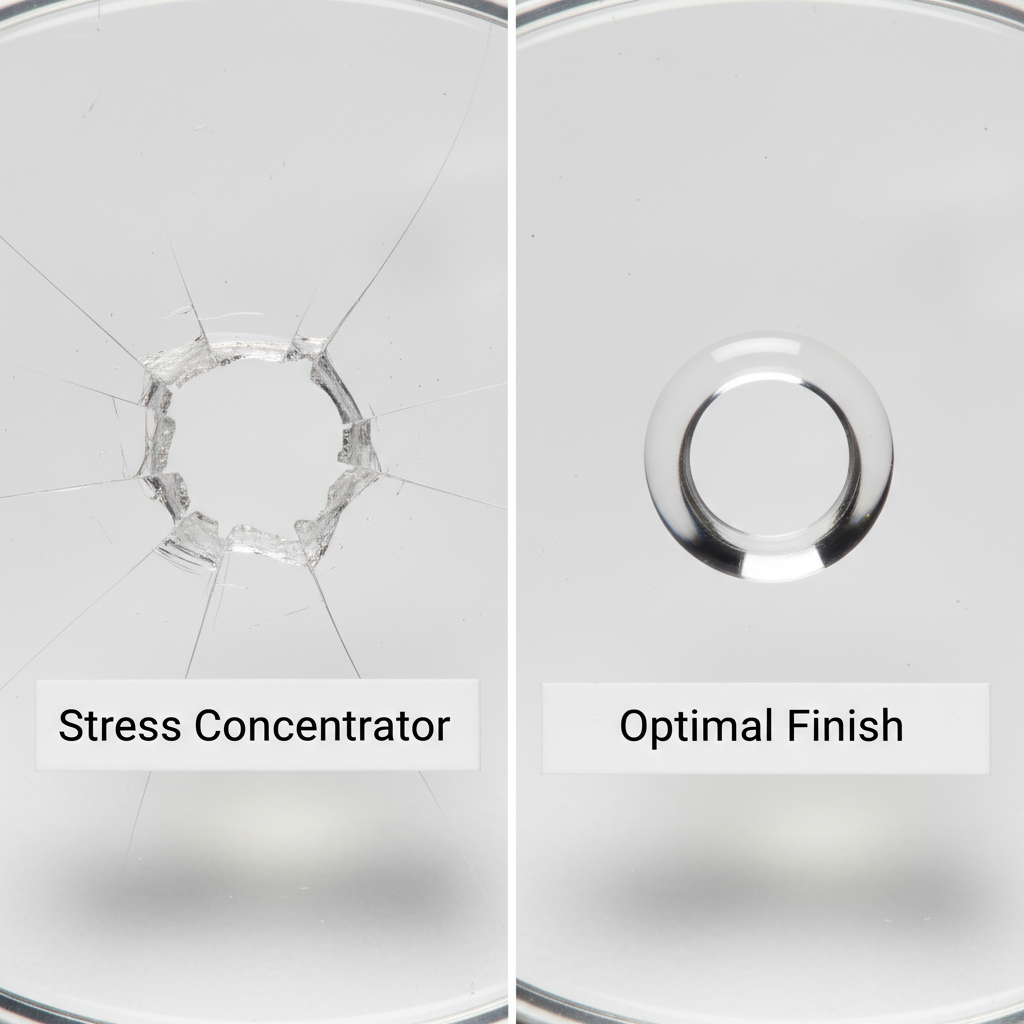
- Polishing the Drill Holes: This is perhaps the single most critical factor for preventing lens cracks. An unpolished or chipped drill hole acts as a "stress concentrator." Any minor flex or pressure on the lens will focus on the microscopic imperfections of that hole, making a crack almost inevitable. A high-quality lab uses a multi-step polishing process with progressively finer abrasives to ensure the inside of the drill hole is perfectly smooth. This is often followed by a hydrophobic sealant to protect the exposed edge from oils and moisture, which can degrade polycarbonate over time.
A Practical Guide to Living with Rimless Eyewear
Owning rimless glasses requires a slightly different approach to handling and care. By adopting a few simple habits, you can drastically extend their lifespan and keep them feeling secure and comfortable.
1. Master the Two-Handed Rule
Always use two hands to put on and take off your glasses. Grip each temple arm and guide them gently over your ears. This ensures even pressure and completely eliminates the twisting force that loosens screws and strains the bridge mounting. This single habit is the most effective way to prevent the most common type of damage.
2. Clean with Care
When cleaning your lenses, it's easy to put pressure on the delicate bridge mounting. To avoid this, gently pinch the lens you are cleaning at the bridge or temple connection with your thumb and forefinger. This supports the hardware and isolates it from the pressure of wiping the lens. Use a microfiber cloth and a designated lens cleaning solution.
3. Know When to See a Professional
If you notice a screw is loose or an arm feels wobbly, do not attempt to tighten it yourself with household tools. The screws are tiny, and it's very easy to overtighten them, cracking the lens, or scratch the lens surface. An optician has the proper tools and expertise to make the adjustment safely.
4. Choose Your Case Wisely
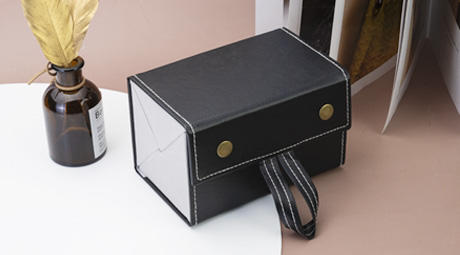
Because the lenses are more exposed, a hard-shell case is essential for rimless eyewear. Avoid soft pouches or slipping them into a pocket, as direct pressure on the lenses can misalign the frame or damage the mountings.
Frequently Asked Questions (FAQ)
Q: Can I get rimless glasses with a strong prescription? A: Yes, but with considerations. High-index lenses are typically required to keep the lens thin and light. Polycarbonate is naturally a high-index material. However, very strong prescriptions can result in thicker lens edges, which may be more noticeable without a frame to hide them. You can learn more in our detailed guide on strong prescriptions in rimless frames.
Q: Are rimless glasses heavier with thicker lenses? A: Not necessarily. The removal of the frame material itself significantly reduces the overall weight. Even with a slightly thicker lens for a stronger prescription, a rimless pair made with Trivex or polycarbonate is often significantly lighter than a traditional full-frame pair. This makes them an excellent option for reducing fatigue, especially during long hours of wear.
Q: What do I do if my rimless glasses feel loose or crooked? A: This is a sign that the mountings need professional adjustment. Continuing to wear them while they are misaligned can put excessive stress on one of the drill points, increasing the risk of a crack. Take them to an optical professional for re-alignment.
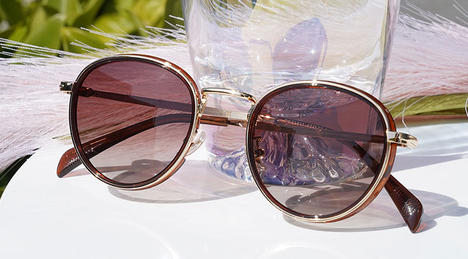
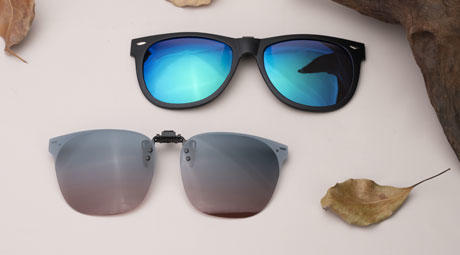
Q: Are rimless sunglasses a good idea? A: Absolutely. The same principles apply. A pair of rimless sunglasses made with impact-resistant polycarbonate lenses offers a lightweight, stylish, and durable option for outdoor adventures. Just ensure they provide 100% UV protection.
Your Prescription for Durability
The appeal of rimless eyewear—its lightness and minimalist style—no longer has to come with a compromise in durability. The key lies in a combination of advanced materials, expert craftsmanship, and mindful handling.
By choosing lenses made from Polycarbonate or Trivex, you ensure the core structure is fundamentally strong and safe. By understanding that the true vulnerability lies in the mounting points, you can appreciate the importance of quality assembly and adopt simple habits to protect them. With this knowledge, you can embrace the "invisible" look with total confidence, knowing your glasses are engineered to be as resilient as they are refined.
Disclaimer: This article is for informational purposes only and does not constitute medical advice. Consult with a qualified eye care professional for any questions regarding your vision health and to determine the best eyewear for your specific needs and prescription.
References:
- U.S. Food & Drug Administration (FDA). (n.d.). Impact-Resistant Lenses: Questions and Answers. Retrieved from https://www.fda.gov/regulatory-information/search-fda-guidance-documents/impact-resistant-lenses-questions-and-answers
- Ferris State University. (n.d.). High Index Lenses. Retrieved from https://www.ferris.edu/optometry/patient-care/lensmaterial/high-Index-Lenses.htm
- The Vision Council. (n.d.). How Prescription Glasses and Contact Lenses Are Made. Retrieved from https://thevisioncouncilfoundation.org/protect-your-eyes/how-prescription-glasses-and-contact-lenses-are-made-crafting-your-perfect-eyewear/
- American Academy of Ophthalmology (AAO). (n.d.). Choosing the Best Sunglasses. Retrieved from https://www.aao.org/eye-health/glasses-contacts/sunglasses-3


