






Proper Storage Tips to Preserve Your UV Coating
TL;DR: How to Store Your Sunglasses
- Always Use a Hard Case: This is the single most important rule. A rigid case protects against scratches, pressure, and impact.
- Avoid Extreme Heat: Never leave your sunglasses in a hot car. High heat can cause lens coatings and frames to warp, bubble, or delaminate.
- Clean Lenses Before Storing: Always rinse lenses with cool water to remove grit before wiping with a microfiber cloth. This prevents scratching.
- Control Humidity for Long-Term Storage: For storage longer than a few weeks, keep the glasses in their case in a temperature-stable environment and consider adding a small silica gel packet to absorb moisture in humid climates.
You've invested in a quality pair of sunglasses with full UV protection. But that protection is only as good as the condition of the lenses. Improper storage is one of the fastest ways to damage the sensitive coatings that enhance vision and safeguard your eyes. Heat, pressure, and microscopic scratches can compromise everything from the anti-reflective (AR) layer to the polarization film.
This guide provides simple, actionable steps based on optical industry best practices to properly care for and store your sunglasses. Following these tips will extend the life of your eyewear, ensure its protective features remain effective, and keep your vision clear.
The Hidden Dangers of Improper Storage
Many people toss their sunglasses on a car dashboard or into a bag without a second thought. This exposes them to three primary environmental threats: extreme heat, mechanical damage, and humidity.
Danger 1: Heat and Thermal Damage
The interior of a car parked in the sun can reach temperatures well over 60°C (140°F). This level of heat is the enemy of modern lens coatings. According to optical experts, repeated thermal cycling—going from hot to cold and back again—can cause different layers of material to expand and contract at different rates. This leads to:
- Coating Delamination: The anti-reflective, hydrophobic (water-repellent), or oleophobic (oil-repellent) coatings can start to bubble, peel, or craze (form a network of tiny cracks). This damage is irreversible and obstructs your vision.
- Polarized Film Degradation: The delicate film that provides the glare-blocking power of polarized lenses can shrink or warp in high heat, creating distortion.
- Frame Warping: Acetate and other plastic frames can soften and lose their carefully adjusted shape, resulting in a poor fit.

Danger 2: Scratches and Mechanical Stress
Tossing sunglasses into a pocket or bag with keys, coins, or other hard objects is a direct route to lens damage. While many lenses feature a hard coating for scratch resistance, they are not scratch-proof. A deep scratch is more than a cosmetic annoyance.
As detailed in our guide on how scratches affect UV protection, while the UV protection in modern polycarbonate lenses is typically embedded in the material itself, a scratch can create visual distortion. For cheaper lenses that rely on a thin UV coating, a scratch can physically remove that protective layer. More commonly, scratches damage the anti-reflective coating, creating distracting glints and reducing visual clarity.
Pro Tip: The Risk of Back-Surface Reflection
Even invisible damage matters. Some standard anti-reflective (AR) coatings can inadvertently reflect UV rays from the back surface of the lens into your eye. As noted in a study published in the journal PMC, this is why high-quality eyewear uses advanced AR coatings that are specifically designed to absorb UV light and prevent this back-glare, a feature that can be compromised by improper care.
The Essential Rules for Proper Sunglass Care & Storage
Proper care is a simple routine. Integrating these steps into your daily habits will preserve the function and appearance of your eyewear for years.
Rule #1: Always Use a Hard-Shell Case
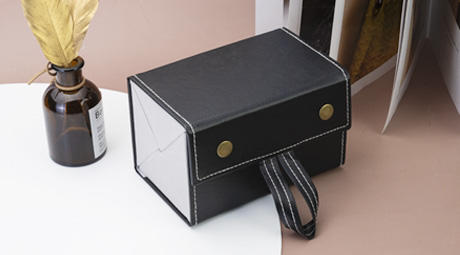
A soft pouch is better than nothing, but it only protects against minor scratches and dust. It offers zero protection from pressure, bending, or impact. A rigid, hard-shell case is the most critical accessory for your sunglasses.
- What to Look For: The ideal case has a hard exterior and a soft, lint-free lining like microfiber. This prevents the lenses from being crushed and stops any residual dust inside the case from causing scratches.
- Proper Placement: Get into the habit of returning your glasses to their case every time you take them off. Place them in the case with the lenses facing up to prevent any pressure points on the coatings.
Rule #2: Clean Lenses Before Storing
Wiping a dusty or gritty lens with a cloth is like using sandpaper on it. The number one mistake practitioners see is people causing abrasive scratches by wiping a dry, dirty lens. The correct method involves one crucial first step: rinsing.
- Rinse First: Hold the sunglasses under a gentle stream of cool running water. This dislodges dust, sand, and other abrasive particles.
- Wash Gently: Apply a small drop of pH-neutral dish soap or a dedicated lens cleaner to your fingertips and gently rub both sides of the lenses.
- Rinse Again: Thoroughly rinse off all soap residue.
- Dry with Microfiber: Gently pat the lenses and frame dry with a clean, dry microfiber cloth. Avoid paper towels, napkins, or the hem of your shirt, as their fibers can be abrasive and leave lint.

Rule #3: Maintain a Stable Environment
As established, heat is a primary threat. The best place to store your sunglasses, even for a short period, is in an environment with a stable temperature.
- Safe Temperature Range: Aim for a storage location that remains between 10–30°C (50–86°F).
- Safe Humidity Range: Ideal relative humidity is between 30–50%. In very humid climates, long-term storage can be an issue.
- Long-Term Storage Tip: If you are storing your sunglasses for several weeks or months, place a small food-grade silica gel packet inside the hard case. This will absorb excess moisture and prevent it from degrading coatings or causing mold.
Common Storage Myths vs. Reality
Misconceptions about eyewear care are common. Let's debunk a few and provide a quick guide for troubleshooting common issues.
-
Myth 1: "My lenses are scratch-proof, so I don't need a case."
- Reality: Lenses are scratch-resistant, not scratch-proof. A hard coating provides significant protection against minor scuffs, but it won't stand up to keys in a pocket or a drop onto a rough surface. Furthermore, a case protects against heat and crushing, which hard coatings do not.
-
Myth 2: "A dark tint means better UV protection."
- Reality: Lens darkness has no bearing on UV protection. The UV-blocking capability comes from a chemical treatment or inherent properties of the lens material, like polycarbonate. You can learn more in our guide comparing dark tints vs. UV coatings. The danger of this myth is that a dark, non-UV-protective lens causes your pupil to dilate, potentially letting more UV radiation in.
Quick Troubleshooting Guide
If you notice issues with your lenses, this table can help identify the likely cause.
| Issue Observed | Likely Cause | Solution |
|---|---|---|
| Coating is bubbling or peeling | Sustained heat exposure (e.g., left in a car) | This damage is irreversible. The lenses need to be replaced. |
| Fine, swirling scratches | Improper cleaning (wiping a dry, dirty lens) | Minor scratches may only be cosmetic. Deep scratches require lens replacement. |
| Rainbow-colored sheen / "oil slick" | Coating delamination from heat or solvents | This is permanent damage. Lenses must be replaced. |
| Frames feel loose or misshapen | Heat exposure or physical stress | A professional optician may be able to readjust them, but if the material is warped, replacement is necessary. |
Key Takeaways: A Habit of Prevention
Protecting your sunglasses—and the advanced coatings on their lenses—isn't complicated. It’s about building a simple habit of preventative care. By using a hard case, avoiding extreme heat, and cleaning your lenses correctly, you ensure they can continue to provide the clear vision and critical UV protection you rely on.
Remember that while high-quality materials like polycarbonate have built-in UV safety, the coatings that reduce glare and resist smudges are far more delicate. Treat them with care, and they will perform better for longer. In fact, some research has shown that lens coatings can degrade from prolonged UV exposure itself, a process called photobleaching. One technical report presented to SPIE, the international society for optics and photonics, noted that some lenses can lose UV-blocking efficacy after as little as 50 hours of intense simulator exposure, highlighting the importance of proper care and timely replacement.
Frequently Asked Questions (FAQ)
1. Can leaving sunglasses in a hot car really ruin them? Yes, absolutely. It is one of the most common causes of irreversible lens damage. The high heat can cause anti-reflective and polarized coatings to bubble, peel, or craze, permanently damaging the lenses.
2. Do scratches on my sunglasses reduce the UV protection? If you have modern polycarbonate lenses, the UV protection is mixed into the lens material, so a surface scratch won't remove it. However, for older or lower-quality lenses with a UV topcoat, a deep scratch could compromise protection. In all cases, scratches create visual distortions that can cause eye strain. You can read a more detailed explanation in our article: Do Scratches on Sunglass Lenses Affect UV Protection?.
3. How do I know if my sunglasses are still good? Inspect them regularly. Look for deep scratches or any signs of peeling or bubbling in the coatings. If you're unsure about the UV protection, some optical shops have a photometer that can test it for you. As a general rule, if your sunglasses are heavily used and several years old, it's worth considering a new pair to ensure full protection, as some studies suggest coatings can wear off over time.
Disclaimer: This article is for informational purposes only and does not constitute professional medical advice. Consult with a qualified eye care professional for any concerns about your vision or eye health.
References
- SPIE, the international society for optics and photonics: UV protection by sunglasses: a review of the Brazilian standard, the ISO 12312-1 and the ISO 8980-3
- PMC (PubMed Central): Ultraviolet radiation protection by clear lenses
- University of Utah Health: How to Tell if Your Sunglasses Are Really Protecting Your Eyes


