







UV Protection Sunglasses for Driving: A Safety Must
The Unseen Dangers: More Than Just Bright Light
Driving is one of the most visually intensive activities we do. We constantly scan for hazards, read signs, and monitor our surroundings. Yet, many of us underestimate the impact of sunlight, not just as a source of uncomfortable glare, but as a significant long-term risk to our eye health. Driving exposes your eyes to intense, direct, and reflected ultraviolet (UV) rays for prolonged periods. This guide details why the right UV-protective sunglasses are not a luxury, but a critical piece of safety equipment for every driver.
TL;DR: Your Quick Guide to Safer Driving Sunglasses
- UV Protection is Non-Negotiable: Always choose lenses labeled "UV400" or "100% UVA/UVB Protection."
- Tint is Not Protection: Dark lenses without certified UV protection can be more harmful than wearing no sunglasses at all.
- Polarization Cuts Glare: Ideal for reducing glare from the road and other cars, but test them with your car's digital displays first.
- Color and Density Matter: A neutral gray or brown tint with a Visible Light Transmission (VLT) of 12-25% is best for recognizing traffic signals accurately.
- Fit for a Driver: Choose large, wraparound frames to block light from the sides, and ensure a proper fit, especially for prescription lenses.
Understanding UV Radiation in Your Car
Many people assume they are safe from the sun's harmful rays inside their vehicle. While it's true that car windshields are typically treated to block most UVB rays (the kind that cause sunburn), a significant amount of UVA radiation can still penetrate the side and rear windows. UVA rays penetrate deeper into the eye and are linked to long-term damage.
According to research published by the National Institutes of Health, cumulative UV exposure is a significant risk factor for developing cataracts. Another study from the National Eye Institute explains the mechanism: UV light triggers a process called glycation within the eye's lens, causing it to yellow and harden over time. This cumulative damage makes consistent protection essential every time you get behind the wheel.
Debunking the "Darkness Myth"
A common and dangerous misconception is that the darker the sunglass lens, the more protective it is. This is incorrect. UV protection comes from an invisible chemical coating or inherent properties of the lens material, not its color or tint.
As experts at the MD Anderson Cancer Center warn, wearing dark lenses without certified UV blocking is actively dangerous. Your pupils naturally dilate (get wider) behind a dark lens to let in more light. If that lens isn't blocking UV rays, you are flooding your eyes with more harmful radiation than if you wore no glasses at all. This makes it crucial to ignore fashion and focus on the technical specifications. You can learn more about this in our guide, "Are Darker Sunglass Lenses More UV Protective?".
Decoding the Features of a Perfect Driving Lens
Choosing the right sunglasses involves understanding a few key technical terms. Focusing on these features ensures you get a product that enhances safety and comfort, rather than just dimming the light.

The Gold Standard: UV400 Protection
The single most important feature to look for is a "UV400" rating. This means the lenses block light rays with wavelengths up to 400 nanometers, which covers 100% of both UVA and UVB rays. Some older or lower-quality standards may only protect up to 380nm, but as a technical report on PubMed highlights, the 380-400nm band contains significant solar energy. Insisting on UV400 closes this safety gap. A recent study found that nearly half of consumers who don't wear sunglasses cited "uncertainty in the efficiency of UV protection" as the reason, underscoring the trust gap that certified protection can fill. To understand the risks of unverified eyewear, see our article on The Hidden Eye Damage from Uncertified Sunglasses.
Polarization: Your Best Defense Against Road Glare
Glare is more than an annoyance; it's a form of visual noise that can cause eye fatigue and momentarily blind you to hazards. It’s created when sunlight reflects off flat surfaces like the road, water, or the hood of your car. Polarized lenses contain a special filter that blocks this intense, horizontally-oriented light.
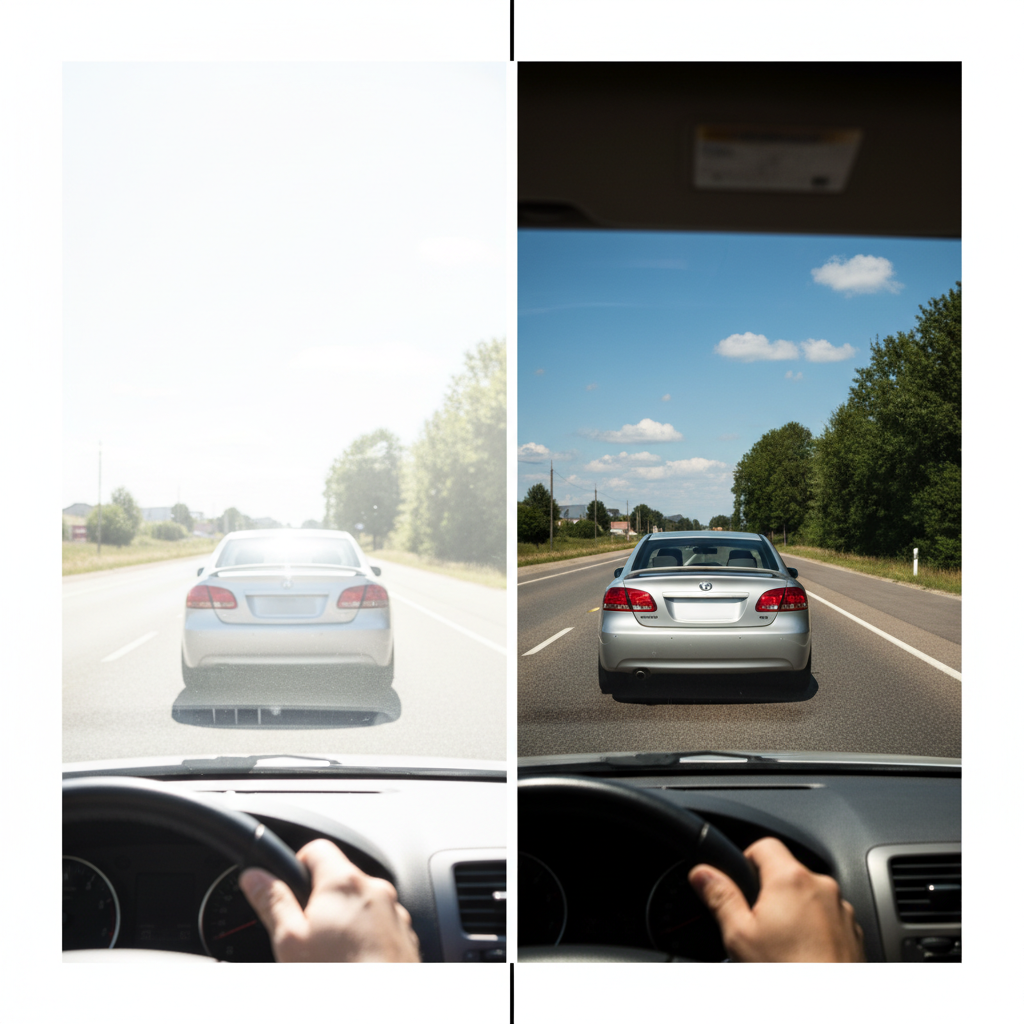
For most daytime driving, polarization is a significant safety advantage. However, it comes with a caveat. As the Federal Aviation Administration (FAA) advises pilots, polarized lenses can interfere with visibility of LCD screens. In a car, this can mean your digital dashboard, heads-up display (HUD), or even your smartphone screen may appear dim or completely blacked out.
Expert Warning: Before committing to polarized lenses, test them in your own vehicle. Check your dashboard, infotainment system, and any other digital displays from your normal driving position to ensure you can still read them clearly.
Lens Color and Tint Density (VLT)
The color and darkness of your lenses directly impact how you perceive the world. For driving, the goal is to reduce brightness without distorting color.
- Visible Light Transmission (VLT): This measures how much light the lens lets through, usually expressed as a percentage. For bright, sunny conditions, a VLT of 12% to 25% (often labeled as Category 3) is ideal.
- Lens Color: The American Optometric Association (AOA) and other experts recommend specific tints for driving.
| Lens Color | Primary Benefit | Best For | Considerations |
|---|---|---|---|
| Gray | Neutral color perception. | All-purpose bright light driving. | Does not enhance contrast as much as brown lenses. |
| Brown / Amber | Enhances contrast and depth perception. | Variable sun, cloudy days. | Can cause minor color distortion. |
| Green | Good contrast, preserves color balance. | A good all-around choice for sun and clouds. | A blend of gray and brown characteristics. |
| Yellow / Orange | Significantly increases contrast. | Very low light, fog. | Not suitable for bright daylight; distorts color too much. |
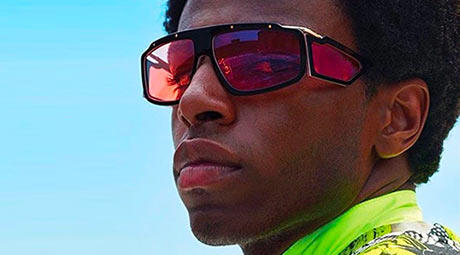
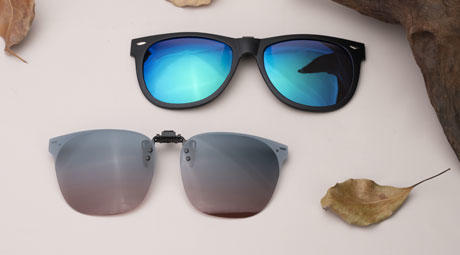
| Blue / Red | Cosmetic purposes. | Fashion wear. | Not recommended for driving due to significant color distortion. |
For driving, gray is often the top recommendation because it reduces brightness without changing how you see the colors of traffic lights and signs.
Frame and Fit: The Overlooked Safety Components
The best lenses in the world won't protect you if they don't fit correctly. The frame's design and how it sits on your face are crucial for both safety and optical clarity.
Why Frame Geometry Matters
UV rays don't just come from the front. A significant amount of light can leak in from the top and sides of your frames, reflecting off the back surface of the lens and into your eye. A study using 3D models to measure actual UV exposure found that medium-sized, flat frames offered the least protection due to this "peripheral leakage."
For maximum protection, especially on long trips, consider:
- Oversized or "Large" Lenses: These provide more physical coverage over the eye socket.
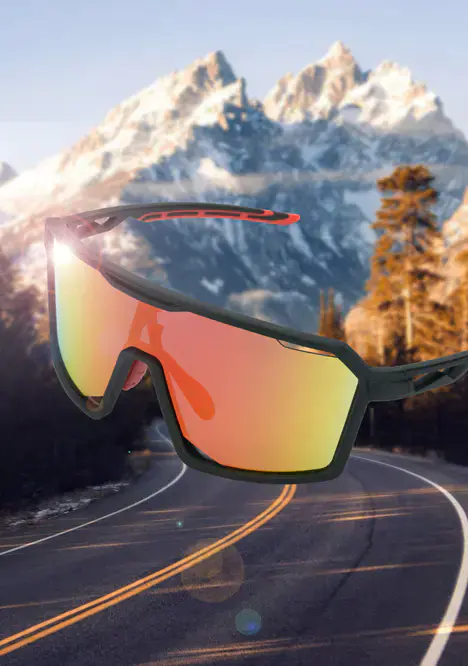
- Wraparound Styles: These curve to follow the contour of your face, providing a much better barrier against peripheral light.
- Wide Temples (Arms): A wider arm can also help block light from the side.
The Importance of Optical Centration
For those who need prescription sunglasses, a proper fit is a matter of optical physics. Your lenses are ground to place the optical center directly in front of your pupils. This measurement is known as your Pupillary Distance (PD). If the frames are too wide, too narrow, or sit incorrectly, the optical center will be off, which can induce prismatic effects, blurring, and eye strain—all of which are dangerous when driving. Extremely curved wrap frames can also create distortion in higher prescription powers.
Material Matters: Durability and Impact Resistance
Your sunglasses should also be durable. Lenses made from polycarbonate are an excellent choice for driving. This material is lightweight and has superior impact resistance compared to standard plastic (CR-39) or glass lenses. All eyewear sold in the U.S. must meet the FDA's impact-resistance standards, often called the "Drop Ball Test," but polycarbonate provides an extra margin of safety in the event of an airbag deployment or other accident.
Wrapping Up: Your Checklist for Safer Driving
Making the right choice is simple when you know what to look for. Use this checklist to evaluate your next pair of driving sunglasses and ensure you’re getting the best protection for your eyes on the road.
- [ ] 100% UV400 Protection: Is "UV400" or "100% UVA/UVB" clearly stated on the label?
- [ ] Polarized Lenses: Do they cut reflective glare? (Remember to test them with your car's digital screens).
- [ ] Neutral Tint: Is the lens color gray or brown for accurate color perception?
- [ ] Proper VLT: Is the tint density suitable for bright daylight (Category 3, ~12-25% VLT)?
- [ ] Full Coverage Frame: Does the frame have large lenses or a wraparound design to block peripheral light?
- [ ] Impact-Resistant Material: Are the lenses made of polycarbonate for enhanced safety?
- [ ] Correct Prescription & Fit: If you have a prescription, is the PD correct and is the frame properly centered?
Frequently Asked Questions (FAQ)
Q1: Are polarized sunglasses always better for driving? Polarized lenses are generally better because they are specifically designed to reduce road glare. However, their ability to block light from LCD screens can be a problem in modern cars. Always test them with your dashboard and heads-up display before purchasing.
Q2: Can I just use my regular fashion sunglasses for driving? You can, but only if they meet the safety criteria: 100% UV400 protection, a non-distorting gray or brown tint, and a frame that provides good coverage. Many fashion sunglasses prioritize style over optical quality and protection.
Q3: What's the real difference between UV380 and UV400? The numbers refer to the wavelength of light in nanometers. The UV spectrum extends to 400nm. A UV400 lens blocks the entire spectrum, while a UV380 lens leaves a small but potentially harmful gap in protection.
Q4: Do I really need sunglasses on a cloudy day? Yes. According to the American Academy of Ophthalmology, clouds do not block UV rays effectively. UV levels can still be high on overcast days, so protection is recommended anytime you are outdoors or driving during the day.
Q5: How often should I replace my sunglasses? Some research has shown that the UV-blocking coatings on lenses can degrade over time with prolonged exposure to sunlight, a process called photobleaching. While there's no fixed rule, if your glasses are several years old and heavily used, or if the lenses are noticeably scratched, it is a good idea to replace them to ensure you have full protection.
Disclaimer: This article is for informational purposes only and does not constitute medical advice. Consult with a qualified eye care professional for any concerns about your vision or eye health, and to receive a comprehensive eye exam and an accurate prescription.
References
- American Academy of Ophthalmology (AAO): "Sun Safety Tips" - https://www.aao.org/eye-health/tips-prevention/sun
- American Optometric Association (AOA): "UV Protection" - https://www.aao.org/eye-health/tips-prevention/sun
- Federal Aviation Administration (FAA): "Sunglasses for Pilots" - https://www.faa.gov/pilots/safety/pilotsafetybrochures/media/sunglasses.pdf
- MD Anderson Cancer Center: "9 things to know about sunglasses" - https://www.mdanderson.org/cancerwise/9-things-to-know-about-sunglasses--eye-protection-and-cancer.h00-159699123.html
- PubMed / National Institutes of Health (NIH): Various studies referenced in the text.


