










Visual Snow Syndrome: Why Do I See Static in My Vision?
Is Your Vision Filled with Static? Understanding Visual Snow Syndrome
For many, vision is a clear window to the world. But what if that window was permanently covered in a fine layer of TV-like static? If you experience a constant, flickering field of dots that never goes away, you might have Visual Snow Syndrome (VSS). It’s a perplexing and often distressing condition that goes far beyond "floaters" or the temporary aura of a migraine. For years, individuals with these symptoms were often told their eyes were perfectly healthy, leading to confusion and anxiety. Today, VSS is recognized as a distinct neurological disorder—a condition of the brain, not the eyes.
This article serves as an authoritative guide for anyone searching for answers. We will explore what VSS is, delve into its neurological underpinnings, and outline evidence-based strategies for managing its symptoms. The validation of knowing your experience is real and has a name is the first, and often most powerful, step toward regaining control.

Defining the Condition: More Than Just "Static"
Visual Snow Syndrome is not an issue with the structure of the eye itself. An eye exam for a person with VSS will typically come back completely normal. The problem lies in how the brain processes visual information. The primary symptom is the namesake "visual snow"—a persistent, dynamic field of tiny, flickering dots across the entire visual field, present even with eyes closed.
However, a formal diagnosis requires more than just the static. According to a comprehensive review, VSS is characterized by the core symptom of visual snow plus at least two additional visual disturbances. These often include:
- Palinopsia: The persistence or recurrence of an image after the stimulus has been removed. This can manifest as trailing images or afterimages.
- Enhanced Entoptic Phenomena: An increased awareness of normal "floaters," the blue field entoptic phenomenon (seeing white blood cells moving in your vision), or other self-generated visual noise.
- Photophobia: Significant sensitivity to light, causing discomfort or pain.
- Nyctalopia: Impaired night vision.
The Scope of the Syndrome
While once considered rare, current estimates suggest that Visual Snow Syndrome may affect around 2.2% of the population, according to a review in the Journal of Clinical Neurology. It is frequently accompanied by other sensory symptoms, most notably tinnitus (a constant ringing in the ears), creating a broader picture of sensory processing disruption.
Experiential Insight: In clinical practice, the most significant initial relief for patients often comes from the diagnosis itself. After potentially years of being told "nothing is wrong," having a name for the condition validates their experience and reduces the anxiety associated with the unknown. This validation is a critical first step in management.
The Brain on Overdrive: The Neurological Basis of VSS
If the eyes are healthy, where does the static come from? Research using functional MRI (fMRI) scans points to a specific area of the brain: the lingual gyrus. This region, part of the brain's visual cortex, shows significant hyperexcitability in individuals with VSS. Essentially, the neurons responsible for processing vision are in a constant state of overdrive.

A 2021 study published in Frontiers in Neurology frames VSS as a "network disorder," where the brain's filtering mechanisms fail to suppress unwanted visual noise. In a typical brain, natural sensory "static" is filtered out. In VSS, this filter is broken, allowing the raw, unprocessed noise to reach conscious perception.
This theory of neural hyperexcitability also helps explain the high comorbidity with other conditions:
- Migraine: Between 52% and 72% of people with VSS also experience migraines, suggesting a shared predisposition to sensory overload.
- Tinnitus: The constant perception of sound without an external source mirrors the visual static, pointing to a similar breakdown in sensory filtering in the auditory cortex.
- Anxiety & Depression: Living with persistent, unexplained visual disturbances can understandably lead to significant psychological distress. Research highlights a strong link between VSS and anxiety disorders, creating a cycle where anxiety can exacerbate symptom perception, and symptoms can fuel anxiety.
Managing the Symptoms: A Strategy of Adaptation, Not Elimination
Currently, there is no cure for Visual Snow Syndrome. Management focuses on reducing the severity and impact of symptoms and improving quality of life. The approach is often multidisciplinary, addressing the visual, neurological, and psychological aspects of the condition.
1. Spectral Filters and Lens Tints
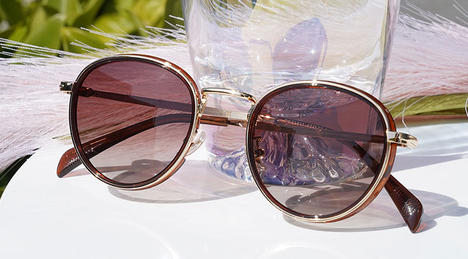
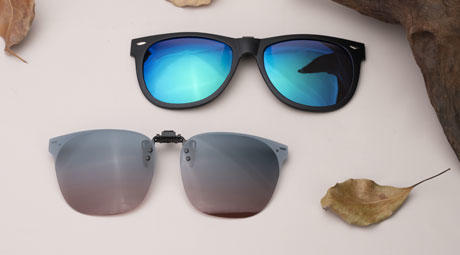
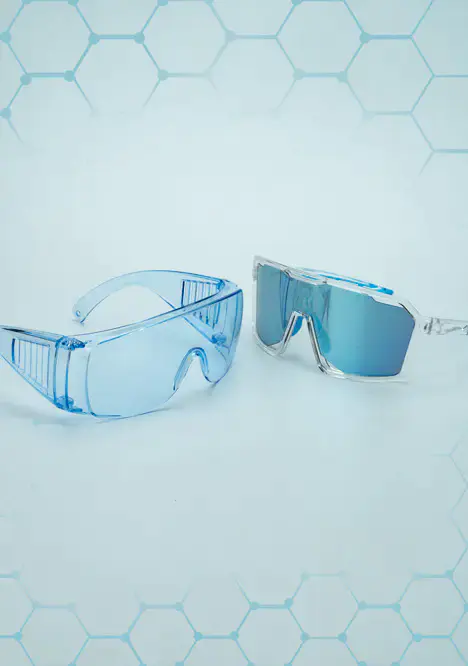
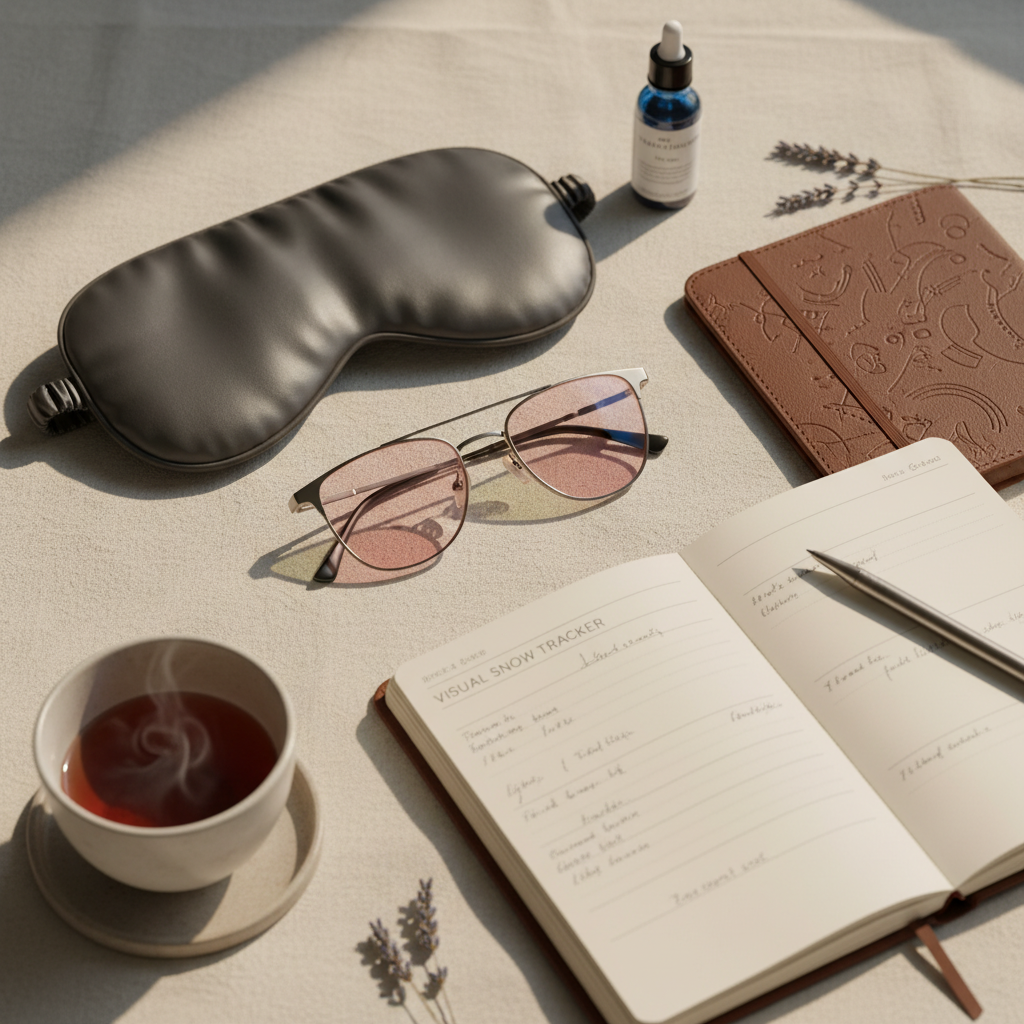
One of the most commonly reported and effective tools for managing VSS is the use of tinted lenses. While responses are highly individual, many patients report significant subjective relief from photophobia and pattern glare with specific tints.
- FL-41 Tint: This rose-colored tint is one of the most frequently cited for reducing light sensitivity and the intensity of the static. It works by filtering the specific wavelengths of light (around 480-520 nm) that are often most bothersome to people with migraine and light sensitivity.
2. Lifestyle and Environmental Control
Because VSS is a disorder of hyperexcitability, minimizing external triggers and maintaining a stable internal environment is crucial. Practitioners often recommend:
- Strict Sleep Schedule: Fatigue is a known amplifier of VSS symptoms. Consistent sleep and wake times help regulate brain activity.
- Minimizing Visual Triggers: This can include avoiding strobe effects, reducing screen time with rapid scene changes (e.g., in some video games), and using "dark mode" on devices.
- Stress Management: Techniques such as mindfulness, cognitive-behavioral therapy (CBT), and gentle exercise can help manage the anxiety that often accompanies VSS and can, in turn, reduce symptom severity.
3. Medical and Therapeutic Interventions
While no single medication has been approved specifically for VSS, some drugs used for migraine or anxiety are tried on an off-label basis with mixed results. The primary goal of therapy is often habituation—helping the brain learn to "tune out" the static, much like one learns to ignore the sound of a fan over time. Neuro-optometric rehabilitation can sometimes be employed to help improve the brain's ability to process visual information more efficiently.
Living with Visual Snow: A Path Forward
Visual Snow Syndrome is a real and challenging condition, but it is not a sign of impending blindness or a degenerative disease. It is a disorder of sensory processing—a brain that has its "gain" turned up too high. Understanding its neurological basis is the key to moving from a place of fear to one of empowerment.
By focusing on management strategies like specialized lens tints, trigger avoidance, and consistent lifestyle habits, individuals with VSS can significantly reduce the impact of their symptoms. The journey begins with validation and is sustained by a proactive approach to managing your neurological health. If you see static, know that you are not alone, and that clear, evidence-based pathways exist to help you navigate your unique visual world.
Disclaimer: This article is for informational purposes only and does not constitute professional medical advice. If you are experiencing visual disturbances, it is essential to consult with a qualified ophthalmologist or neurologist to rule out other conditions and receive an accurate diagnosis. Always seek the advice of your physician or other qualified health provider with any questions you may have regarding a medical condition.
References
- Puledda, F., Schankin, C., & Goadsby, P. J. (2021). Visual Snow Syndrome: A Clinical and Pathophysiological Update. Frontiers in Neurology, 12, 724072. https://www.frontiersin.org/journals/neurology/articles/10.3389/fneur.2021.724072/full
- Yoo, Y. J., Yang, H. K., & Hwang, J. M. (2020). Visual Snow Syndrome: A Comprehensive Review. Journal of Clinical Neurology, 16(2), 167–173. https://pmc.ncbi.nlm.nih.gov/articles/PMC8092638/


