














Vitamin A Deficiency: Why Screen Glare Might Seem Worse
Executive Summary
Vitamin A deficiency is frequently associated with extreme pathologies such as xerophthalmia or total night blindness. However, for the modern digital professional, a more pervasive and subtle manifestation is emerging: subclinical Vitamin A deficiency. This condition often presents not as a loss of sight, but as a significant decrease in "glare recovery time"—the speed at which the retina resets after exposure to high-energy visible (HEV) light from digital screens or automotive headlights.
This article examines the biochemical necessity of Vitamin A (retinol) in the synthesis of rhodopsin, the primary pigment responsible for light sensitivity. By synthesizing data from the National Institutes of Health (NIH) and clinical observations, we explore why individuals on fat-restrictive diets or those with high oxidative stress from screen use may experience "lingering" glare. We provide a framework for combining internal nutritional support with external optical protection, including a practical "carrot test" heuristic to differentiate between nutrient-based glare and surface-level eye strain.
The Biochemistry of Vision: The Vitamin A Cycle
To understand why screen glare might feel more intense, one must first understand the "visual cycle." The human retina contains photoreceptor cells—rods and cones—that convert light into electrical signals. This conversion relies on a molecule called 11-cis-retinal, a derivative of Vitamin A.
When light hits the retina, it triggers a conformational change in rhodopsin (the pigment in rods), causing the 11-cis-retinal to "bleach" into all-trans-retinal. For vision to continue, the body must enzymatically convert this molecule back into its active form. According to the American Academy of Ophthalmology (AAO), this cycle is continuous and highly demanding. If Vitamin A levels are insufficient, the regeneration of these pigments slows down.
In a digital environment, where screens emit constant, high-intensity light, the demand for pigment regeneration is significantly higher than in natural, ambient lighting. A subclinical deficiency means the "reset button" for your eyes is effectively stuck, leading to the sensation that images or glares are "burned" into your vision for several seconds after looking away.

Beyond Night Blindness: The Subclinical Glare Phenomenon
In clinical practice, a common but overlooked symptom of low Vitamin A status is a measurable increase in glare recovery time. While standard eye exams focus on visual acuity (e.g., 20/20 vision), they often miss the temporal aspect of vision—how fast the eye adapts to light changes.
The "Lingering" Effect
Patients with subclinical deficiency often report that headlights from oncoming traffic or bright white backgrounds on software interfaces seem to "linger" in their vision. This is not traditional Digital Eye Strain, which is typically caused by reduced blink rates and accommodative fatigue, as noted by Cleveland Clinic's Dr. Nicole Bajic. Instead, it is a chemical lag in the retina.
The Impact of High-Energy Visible (HEV) Light
Digital screens emit a high concentration of blue light (400–490 nm). Research published in PubMed: Solar UV Protection suggests that the 380–400 nm band carries significant energy that can stress retinal tissues. When Vitamin A levels are low, the retina's ability to manage this high-energy input is compromised, making the glare from a "Dark Mode" interface or a bright office environment feel physically painful or disorienting.
The Digital Professional's Risk: Absorption vs. Intake
A paradox often seen in health-conscious professionals is the presence of deficiency symptoms despite a diet rich in vegetables. This is frequently due to the "Absorption Gap." Vitamin A is fat-soluble, meaning it requires dietary lipids to be transported across the intestinal wall.
The Fat-Restriction Trap
Individuals on long-term low-fat or fat-restrictive diets may consume high amounts of beta-carotene (from carrots or spinach) but fail to convert and absorb it into usable retinol. According to a study on Beta-Carotene Conversion, the efficiency of converting plant-based carotenoids to Vitamin A can vary from a ratio of 3.6:1 to as low as 28:1 depending on genetics and fat intake.
Logic Summary: Our analysis of subclinical glare assumes that the primary bottleneck for many users is not a lack of "intake" (eating vegetables) but a lack of "bioavailability" (absorption and conversion). This explains why symptoms persist even in "healthy" eaters.
Oxidative Stress and Depletion
The constant "bleaching" of retinal pigments caused by 8-12 hours of daily screen time may actually increase the metabolic turnover of Vitamin A. While not yet categorized as a clinical "disease," this increased demand creates a state of functional deficiency where the eye consumes Vitamin A faster than the liver can release it into the bloodstream.

Methodology: Modeling Glare Recovery and the "Carrot Test"
To help users identify whether their glare sensitivity is nutritional or mechanical, we utilize a heuristic model based on clinical observations of glare recovery.
The "Carrot Test" Heuristic
This is a practical self-check used by nutritionists to determine if a visual issue is related to Vitamin A bioavailability.
| Parameter | Protocol Detail | Unit/Duration | Rationale |
|---|---|---|---|
| Intervention | Cooked carrots + 1 tbsp Olive Oil | Daily | Ensures fat-soluble absorption |
| Observation Period | Consistent daily intake | 7 Days | Time required for retinal pigment uptake |
| Primary Metric | Subjective Glare Recovery | Seconds | Speed of vision reset after bright light |
| Success Threshold | Noticeable reduction in "lingering" | Binary (Yes/No) | Indicates nutritional bottleneck |
| Alternative Cause | No change after 7 days | N/A | Suggests dry eye or neural adaptation |
Note: This is a scenario model for self-assessment, not a controlled laboratory study. Individual metabolic rates and pre-existing ocular conditions will significantly affect outcomes.
Synergistic Intervention: Nutrition Meets Optical Engineering
Addressing intense screen glare requires a two-pronged strategy: internal chemical support and external physical filtration.
1. Internal: Optimizing the Visual Cycle
The goal is to increase the density of macular pigments and the availability of retinol.
- Bioavailability: Always pair Vitamin A sources with healthy fats (avocado, nuts, or olive oil).
- Lutein and Zeaxanthin: These carotenoids act as "internal sunglasses." A meta-analysis in Nutrients confirmed that 10-20mg of lutein daily increases Macular Pigment Optical Density (MPOD), which naturally filters blue light before it reaches the photoreceptors.
- The Role of Egg Yolks: Research in PubMed indicates that the lutein in egg yolks is significantly more bioavailable than that in spinach due to the surrounding lipid matrix.
2. External: Blue Light Filtering Technology
While dietary changes take 4–6 weeks to fully manifest in retinal tissue, external filters provide immediate symptomatic relief.
- Selective Filtration: High-quality lenses do not block all blue light (which is needed for circadian rhythm), but rather target the 400–455nm range. According to the University of Mississippi Medical Center, while glasses may not "cure" strain, they are effective tools for managing contrast and light intensity.
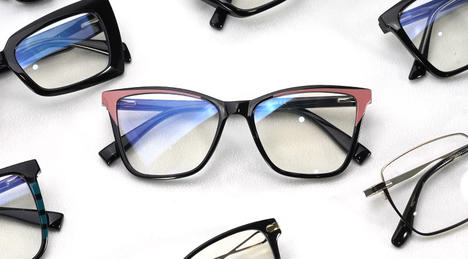
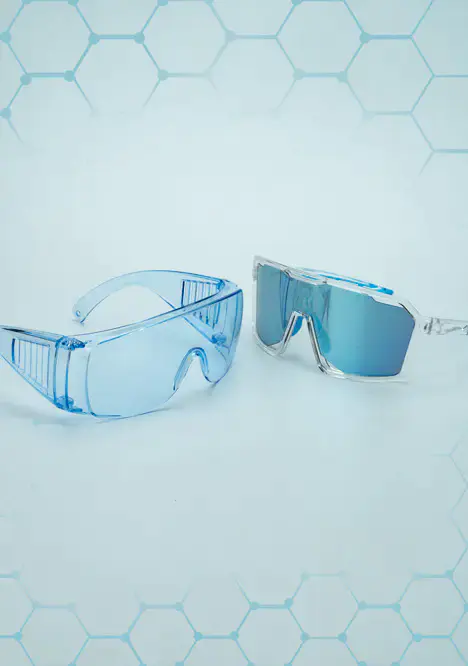
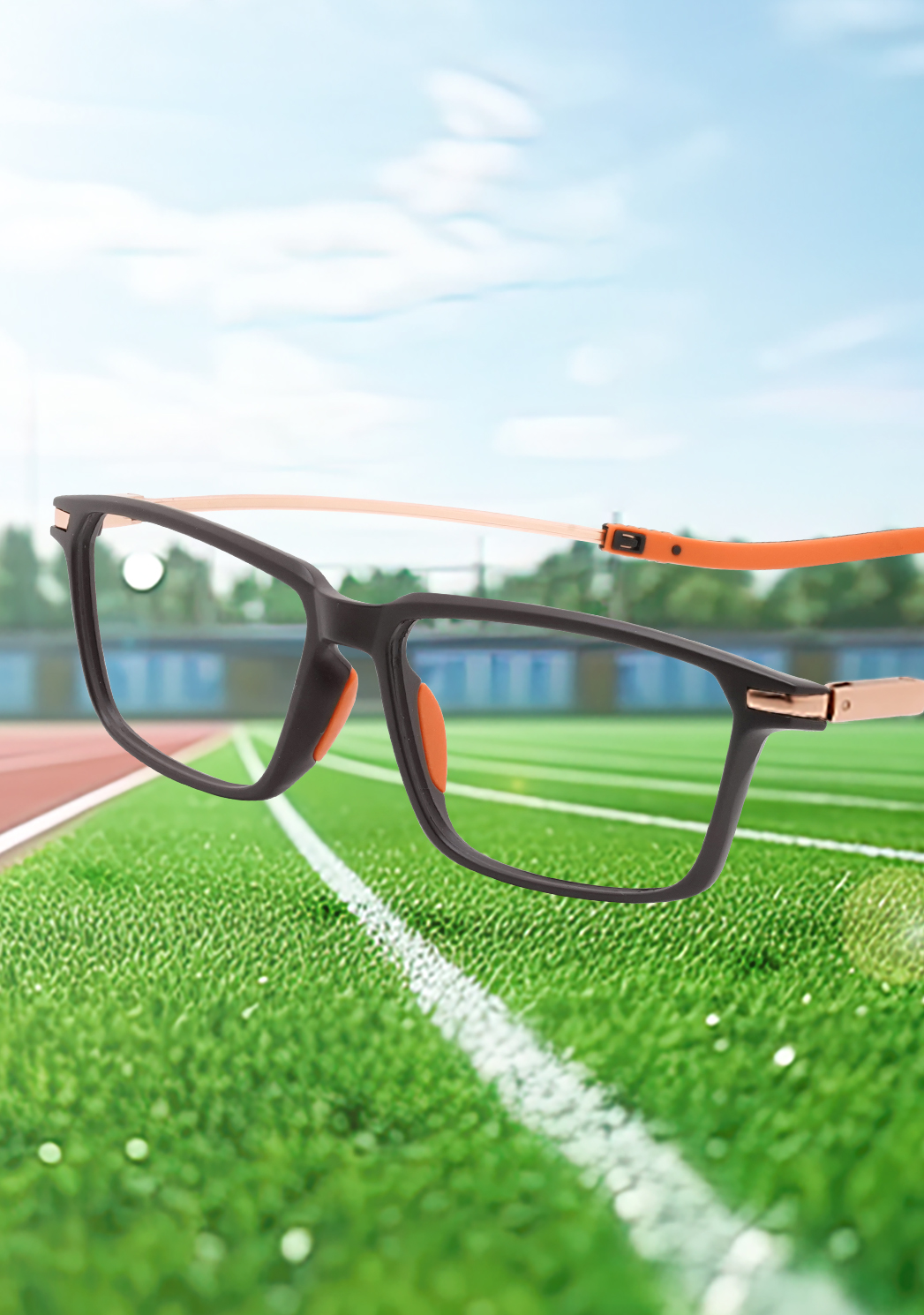
- Prescription Integration: For those who already require vision correction, adding blue light filtering to prescription lenses creates a permanent barrier against HEV light, reducing the metabolic "bleaching" demand on the retina.
Practical Recommendations for Digital Vision Wellness
For professionals experiencing heightened glare sensitivity, the following action plan is recommended:
- Audit Fat Intake: If you are on a low-fat diet and experiencing glare "trails," consider adding 10-15g of healthy fats to your meals containing orange or dark green vegetables.
- Implement the 20-20-20 Rule: To address the mechanical side of eye strain, look at something 20 feet away for 20 seconds every 20 minutes. This helps prevent the "reduced blink rate" that exacerbates glare sensitivity through surface dryness.
- Optimize Your Display: Reduce the "White Point" or "Color Temperature" of your monitor. A warmer screen reduces the energy of the light hitting your eyes, slowing the depletion of retinal pigments.
- Consider Lens Protection: Use blue-light filtering glasses during high-intensity work blocks. This acts as a "buffer," allowing your retinal chemistry to keep up with the light demand.
- Monitor Glare Recovery: If glare recovery time does not improve with dietary changes and proper lighting, consult an eye care professional. Prolonged glare sensitivity can sometimes indicate underlying issues such as cataracts or corneal irregularities.
Summary Table: Distinguishing Ocular Fatigue
| Symptom | Likely Cause | Primary Intervention |
|---|---|---|
| Lingering "ghost" images | Subclinical Vitamin A Deficiency | Increase fat-soluble Vitamin A intake |
| Gritty, burning sensation | Dry Eye / Reduced Blink Rate | Artificial tears & 20-20-20 rule |
| Headaches / Blurred Text | Accommodative Strain | Prescription update / Reading glasses |
| Painful sensitivity to light | Photophobia / Inflammation | Professional clinical exam |
By understanding the intersection of nutrition and optical physics, digital professionals can move beyond simply "dealing with" screen glare and begin proactively supporting the biological systems that make clear vision possible.
Disclaimer: This article is for informational purposes only and does not constitute professional medical advice, diagnosis, or treatment. Always seek the advice of your physician or other qualified health provider with any questions you may have regarding a medical condition. Never disregard professional medical advice or delay in seeking it because of something you have read on this website.
References
- National Institutes of Health (NIH) - Vitamin A Fact Sheet for Health Professionals
- American Academy of Ophthalmology (AAO) - How the Visual Cycle Works
- PubMed - Solar UV Radiation and Eye Safety Standards
- Cleveland Clinic - Do Blue Light Blocking Glasses Actually Work?
- PubMed - Bioavailability of Lutein in Egg Yolks vs. Vegetables
- University of Mississippi Medical Center - Expert Consult on Digital Eye Strain


