








Visible Light Transmission (VLT) Guide: Tint Percentages Explained
TL;DR: Your Quick Guide to VLT
Visible Light Transmission (VLT) measures the percentage of light that reaches your eyes through a lens. A lower VLT number means a darker tint, while a higher number means a lighter tint.
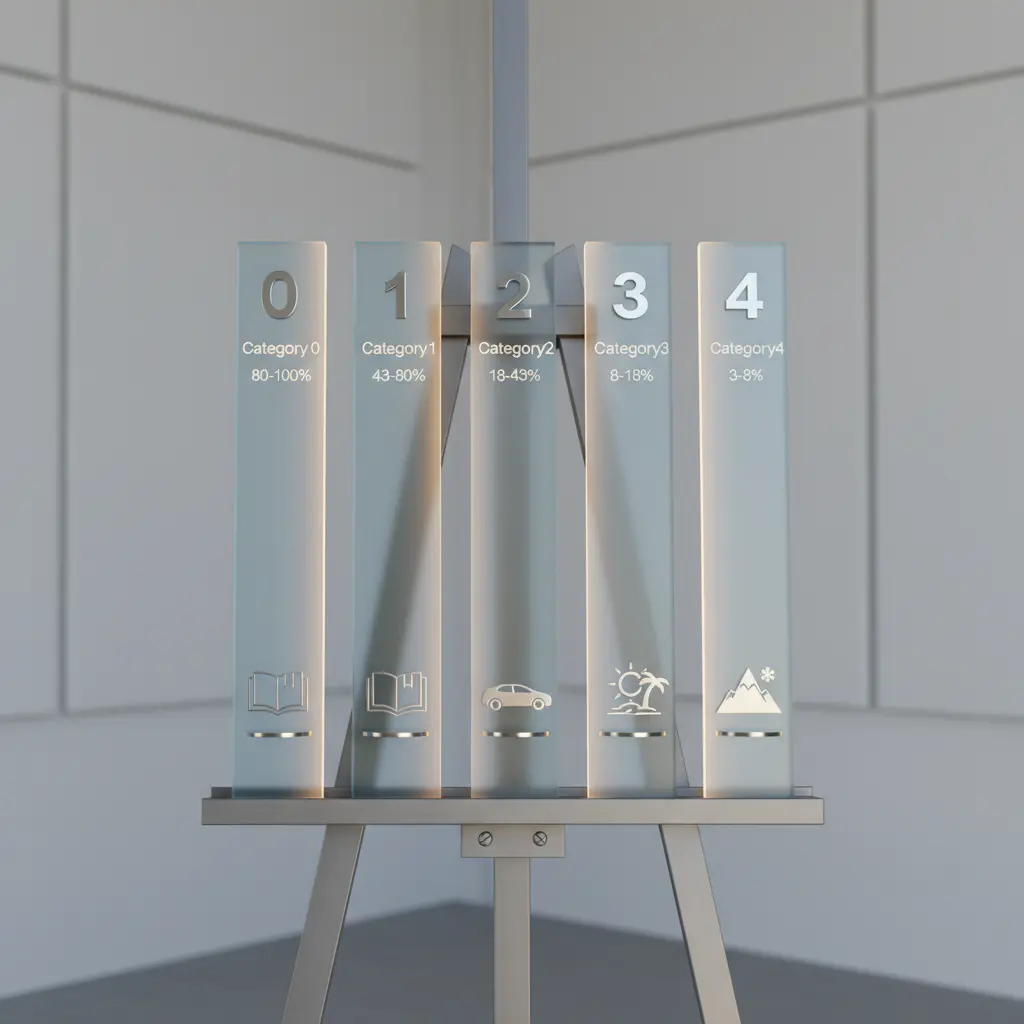
- 3-8% VLT (Category 4): For extreme glare like mountaineering or glacier travel. Unsafe and often illegal for driving.
- 8-18% VLT (Category 3): Ideal for bright, sunny conditions. The most common choice for everyday sunglasses.
- 18-43% VLT (Category 2): The most versatile range, perfect for variable weather and daily driving. It cuts glare without compromising visibility.
- 43-100% VLT (Category 1 & 0): Best for low-light, overcast days, or indoor use. Often used for fashion or prescription glasses with a light tint.
Cracking the Code: Understanding the VLT Spectrum
Choosing sunglasses can feel overwhelming, but understanding VLT simplifies the process. It’s a direct measurement of how dark a lens is. Every reputable pair of sunglasses is rated on this scale, which is typically broken down into five categories.
Category 4: 3-8% VLT — For Extreme Conditions Only
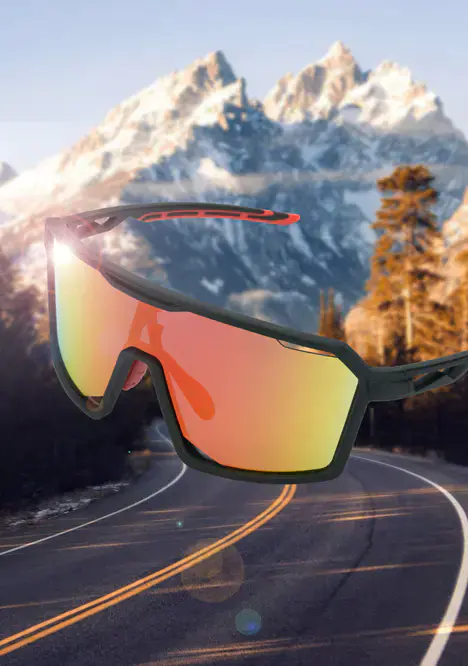
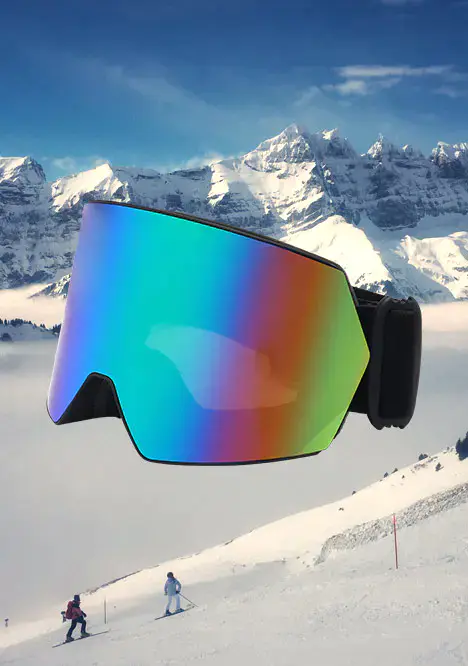
These are the darkest lenses you can get. They are specifically designed for blindingly bright environments, such as high-altitude trekking, skiing, and mountaineering where sunlight reflects intensely off snow and ice.
Safety Note: Category 4 lenses are not suitable for driving at any time of day. Their dark tint significantly reduces visibility and is illegal for road use in many regions, a point stressed by transportation authorities.
Category 3: 8-18% VLT — The Everyday Standard
This is the sweet spot for most people in most situations. Category 3 lenses provide substantial light reduction for comfort on bright, sunny days. They are perfect for a day at the beach, a walk in the park, or general outdoor activities. The American Optometric Association (AOA) recommends lenses that block 75-90% of visible light for general use, which falls squarely within this category.
Category 2: 18-43% VLT — The Versatile Workhorse
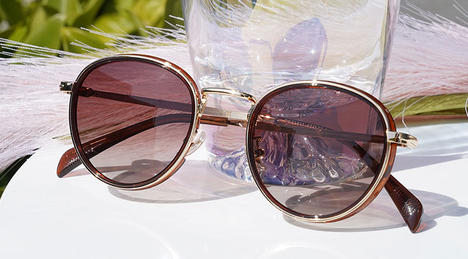
This is arguably the most versatile and practical category, especially for those who need a single pair of sunglasses to handle changing conditions. It’s dark enough to handle moderate sunshine but light enough that you won’t be plunged into darkness when a cloud passes over.
From a practical standpoint, we find this range is the best for daily drivers. It effectively cuts down on road glare while ensuring you can still clearly see your dashboard and potential hazards in shadowy areas—a common issue with overly dark lenses.
Category 1 (43-80%) & Category 0 (80-100%) — Low Light and Fashion
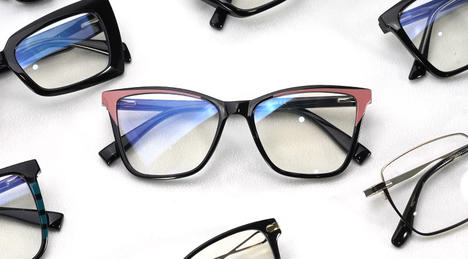
Lenses in these categories have a very light, often cosmetic, tint. Category 1 is useful for adding a touch of color or providing slight relief on overcast days. Category 0 includes completely clear lenses, like standard prescription glasses, which offer 100% UV protection without reducing visible light.
VLT vs. UV Protection: A Critical Distinction
It is a dangerous misconception that a darker lens offers more protection from ultraviolet (UV) radiation. VLT only refers to visible light, not the invisible UV rays that can harm your eyes.
As experts at the MD Anderson Cancer Center warn, wearing dark sunglasses that lack certified UV protection can be more dangerous than wearing no sunglasses at all. The dark tint causes your pupils to dilate, or open wider. If the lenses aren't blocking UV rays, this dilation allows even more harmful radiation to enter your eye, potentially increasing the long-term risk of conditions like cataracts and macular degeneration.
Always look for a label that explicitly states "UV400" or "100% UV Protection." This certification is independent of the lens color or its VLT percentage.
The Hidden Factors: How Other Features Affect VLT
The VLT number on a label tells you the final amount of light that passes through, but several technologies can influence that number. Understanding them helps you make a more informed choice.
Polarization: The Glare-Cutting Factor
A polarized filter is a layer that specifically blocks horizontal light waves, which are the primary component of glare reflecting off surfaces like water, pavement, and snow. While its main job is to improve visual comfort and clarity, adding this filter inherently makes a lens darker.
Optician's Insight: A polarized filter typically reduces a lens's VLT by an additional 5% to 15%. So, a lens that starts with a 30% VLT base tint might have a final VLT of around 20% after the polarizing film is applied.
Mirror Coatings: Reflecting the Light Away
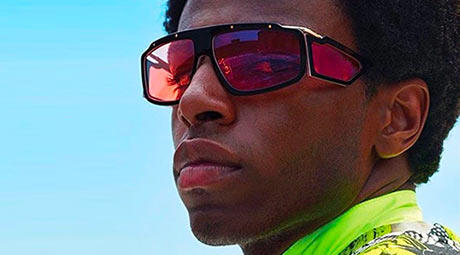
A mirror coating is a reflective layer applied to the front of the lens. Its primary function is to reflect more light away from the eye, which further reduces the amount of light passing through. This can decrease the final VLT by another 10% to 60%, depending on the density of the coating. They are highly effective in very bright conditions but can make a lens too dark for variable light.
Lens Material and Prescription Power
An often-overlooked detail is how the lens material itself can affect the final tint. High-index lens materials, which are used to make stronger prescription lenses thinner and lighter, are denser than standard plastic. To achieve the same VLT as a standard lens, a high-index lens may need to be left in a tinting bath for a longer period. This is a crucial step in the manufacturing process to ensure your prescription sunglasses have the exact tint you expect.
Choosing the Right VLT for Your Lifestyle
The best VLT for you depends entirely on when and where you'll be wearing your sunglasses.
For Daily Driving
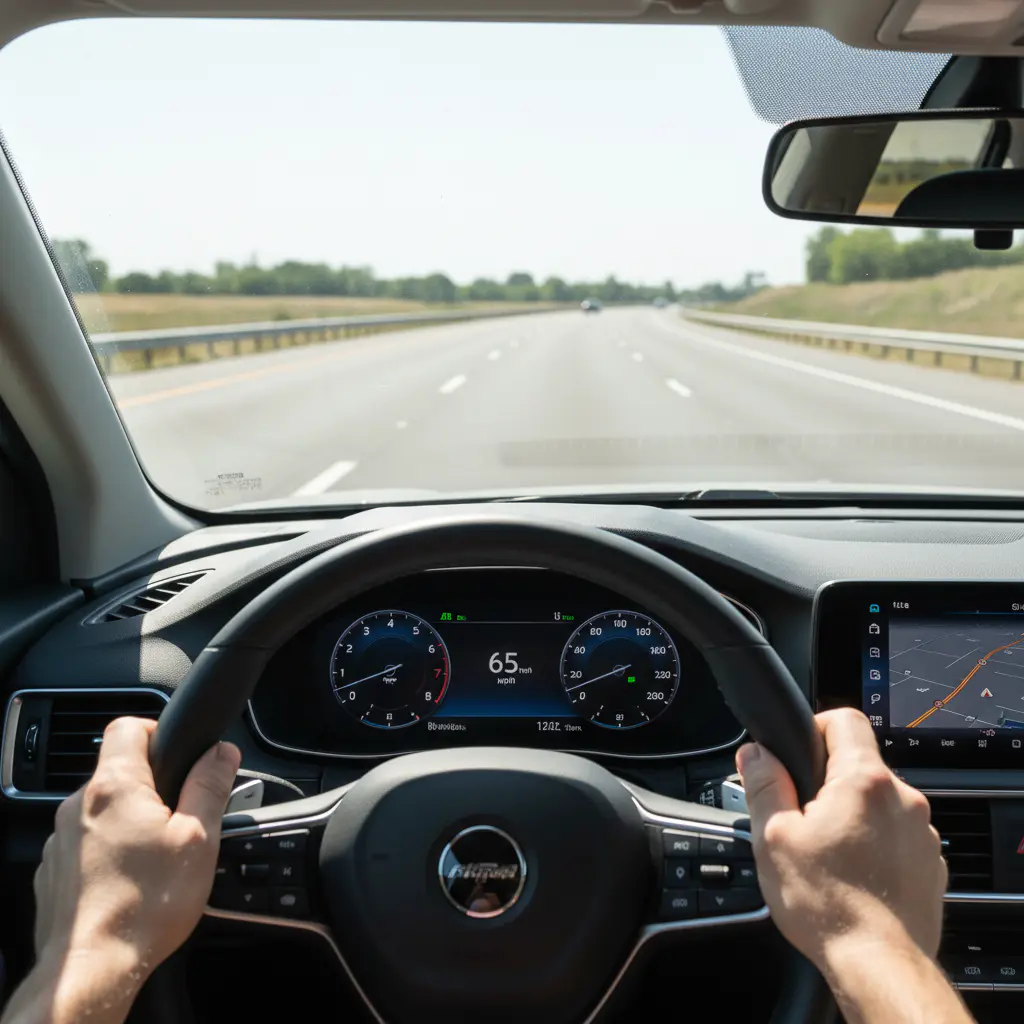
Safety and clarity are paramount. We strongly recommend a VLT between 20% and 40% (Category 2). This range is the gold standard for balancing glare reduction on the road with the need to see traffic signals, dashboard instruments, and hazards in shaded areas. The Federal Aviation Administration (FAA) advises pilots to use lenses with 15-30% transmittance to ensure accurate color recognition, a principle that applies equally to drivers.
For Water Sports (Fishing, Boating)
Intense, reflective glare from the water's surface is the main challenge. A low VLT in the 10-18% range (Category 3) is ideal. For these activities, polarization is not just a feature—it's a necessity for seeing beneath the surface and reducing eye strain.
For Hiking and Trail Running
Light conditions can change rapidly as you move in and out of tree cover. A versatile lens in the 18-30% range (Category 2 or a lighter Category 3) is your best bet. It provides enough protection for open, sunny patches without making it difficult to navigate shaded, rocky terrain.
For Snow Sports (Skiing, Mountaineering)
At high altitudes, the sun is brighter and the reflection off snow is intense. This is where Category 4 lenses (3-8% VLT) are essential for protecting your eyes from conditions like snow blindness (photokeratitis). Just remember to pack a separate pair with a higher VLT for driving to and from the mountain.
Frequently Asked Questions
1. Is a higher VLT percentage darker? No, it's the opposite. A higher VLT percentage means more light is passing through, so the lens is lighter. A lower VLT number indicates a darker lens.
2. What VLT is best for driving? For optimal safety, a VLT in the 20-40% range (Category 2) is recommended. This reduces glare while maintaining enough light to see your car's interior and potential road hazards clearly.
3. Do polarized lenses have their own VLT rating? Polarized lenses are rated with a final VLT number that accounts for both the base tint and the light reduction from the polarizing filter itself. The filter typically makes the lens about 5-15% darker than its base tint alone.
4. Can I use my skiing sunglasses (Category 4) for driving? Absolutely not. Category 4 lenses are dangerously dark for driving and are illegal for road use in most places. They severely restrict visibility, especially in shadows, tunnels, or changing weather.
5. Does VLT have anything to do with UV protection? No. VLT and UV protection are two separate measurements. VLT measures the darkness of the tint (visible light), while UV protection measures how well the lens blocks invisible ultraviolet radiation. Always ensure your sunglasses are rated for UV400 or 100% UV protection, regardless of their VLT.


