







Knowing When to Take a Break: Signs You Should Stop Wearing Contacts
The Unspoken Rules of Comfort: Key Signs It’s Time to Take Out Your Contacts
Contact lenses offer incredible freedom. They provide clear, unobstructed vision without the weight of frames. But this convenience comes with a critical responsibility: knowing when to give your eyes a break. Pushing your lenses past their limit isn't a sign of toughness; it's a gamble with your vision. Over-wear can lead to everything from severe discomfort to sight-threatening infections.
We're here to cut through the confusion. This guide provides clear, actionable signs that your eyes are asking for a rest. Learning to recognize these signals is the single most important habit for maintaining long-term eye health and ensuring you can continue to wear contacts comfortably for years to come.
TL;DR: When in Doubt, Take Them Out
If you only remember a few things, make it these. Remove your contact lenses immediately if you experience:
- The Red Flag Trio: Any new or unusual redness, pain, or discharge.
- Vision Changes: Sudden blurriness, fogginess, or halos around lights that don't clear with blinking.
- Sickness: If you have a cold, the flu, or any systemic illness.
- Water Exposure: Before showering, swimming, or using a hot tub to avoid waterborne pathogens.
- Environmental Irritants: When in extremely dusty, smoky, or chemical-heavy environments.
- Pre-Sleep: Never sleep or nap in your lenses unless they are specifically approved for overnight wear, and even then, only under the guidance of your eye doctor.
The "Hard Stop" Signs: Immediate Removal Scenarios
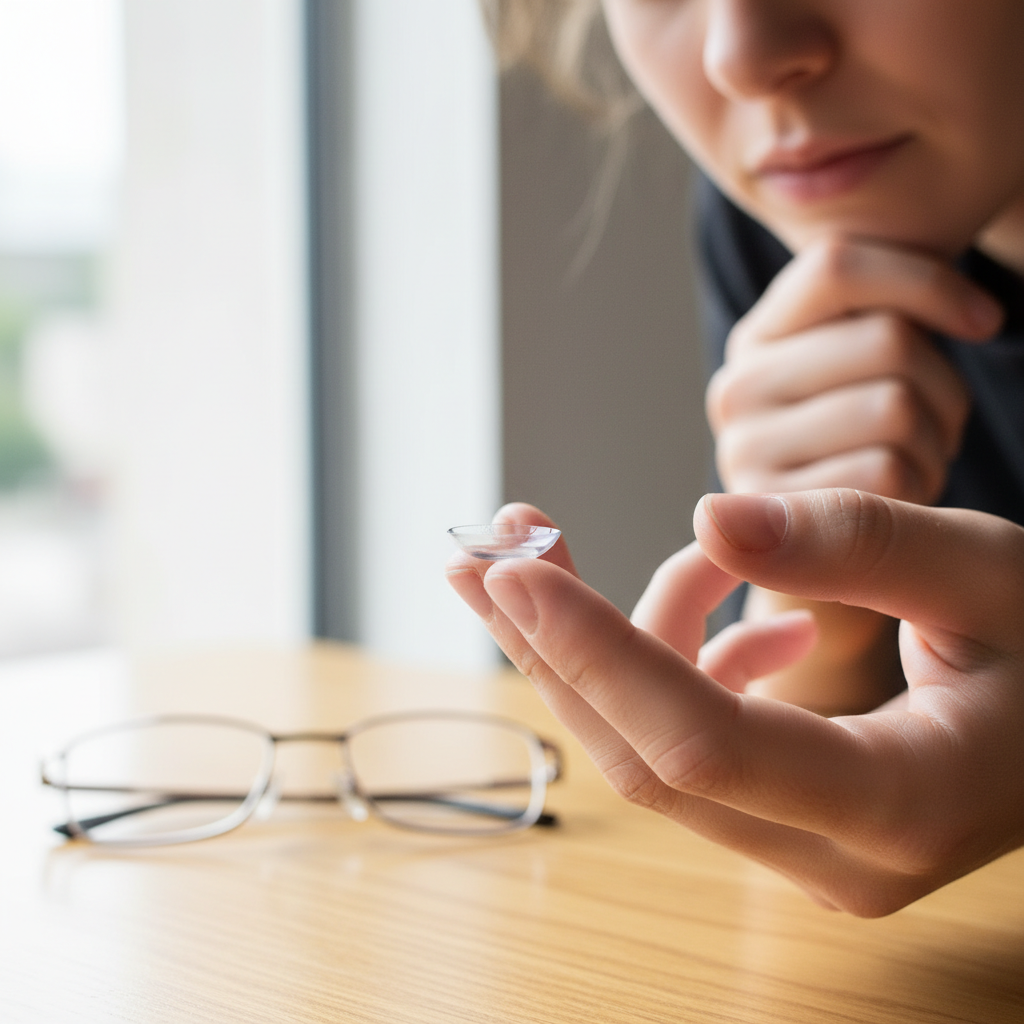
Some symptoms are not negotiable. They are your body's way of signaling that something is wrong and requires immediate attention. Ignoring these can turn a minor irritation into a major problem.
1. The Red Flag Trio: Redness, Pain, and Discharge
If your eyes could talk, this is them shouting.
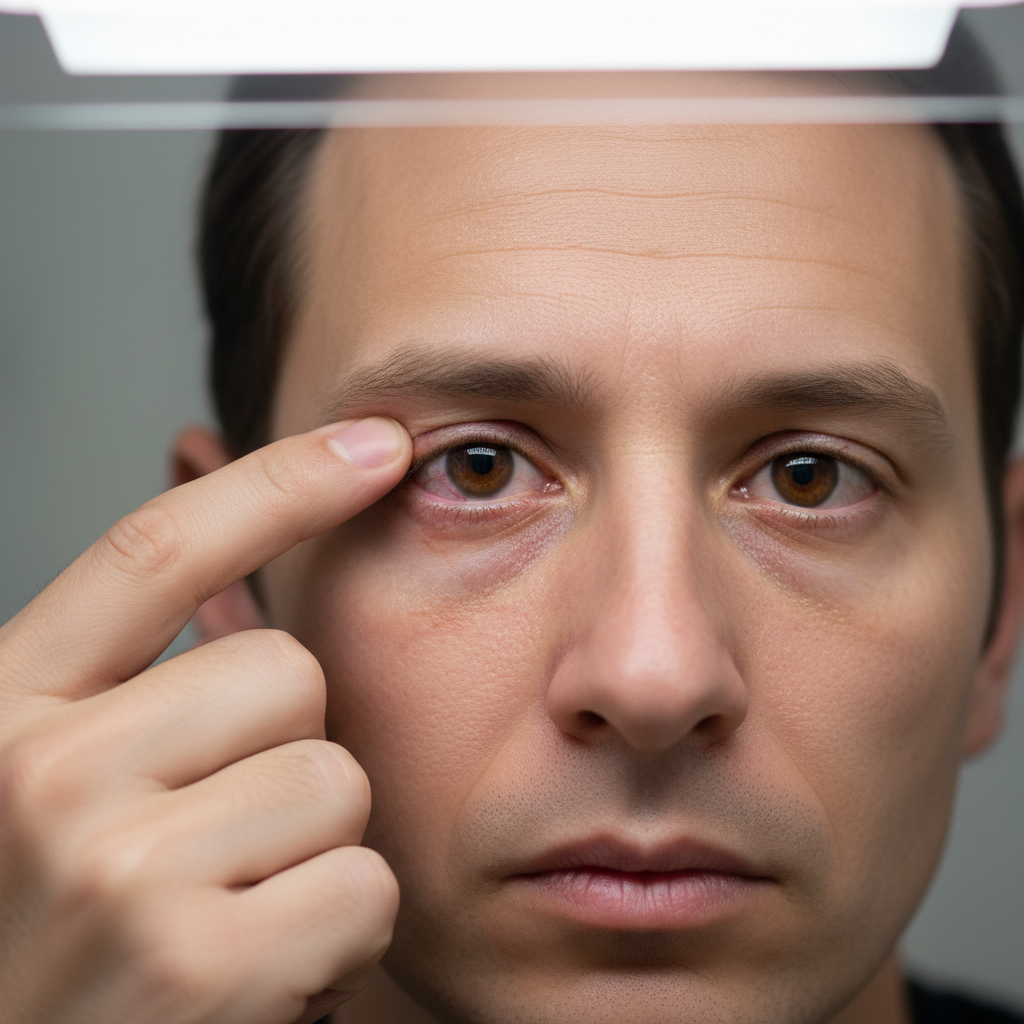
- Redness: While a little end-of-day redness can be normal, bright, persistent, or splotchy redness is a sign of inflammation or lack of oxygen.
- Pain: Any sharp, gritty, or aching sensation is abnormal. It could indicate a trapped particle, a scratch on your cornea, or the beginning of an infection.
- Discharge: Any mucus, pus, or watery discharge beyond normal tearing is a major warning sign of infection.
These symptoms can point to conditions like microbial keratitis, a severe infection of the cornea. The Centers for Disease Control and Prevention (CDC) warns that behaviors like improper cleaning and over-wearing dramatically increase this risk. According to one landmark study, sleeping in lenses can increase the risk of ulcerative keratitis by more than eight times. If you experience this trio, remove your lenses immediately and contact your eye doctor.
2. Sudden Blurry or Hazy Vision
We’re not talking about the slight blur from a dry lens that clears with a few blinks or rewetting drops. We mean a persistent fog, haze, or general lack of sharpness that doesn't go away.
This can be a symptom of corneal hypoxia—a lack of oxygen to the cornea. When the cornea is deprived of oxygen, it can swell, causing light to scatter improperly as it enters the eye. This is a clear sign that your lenses have been in for too long or do not have adequate oxygen permeability for your needs.
3. Unusual Light Sensitivity (Photophobia)
If you suddenly find yourself squinting in normally comfortable lighting, your eyes are sending a distress signal. Photophobia is a classic symptom of corneal irritation and inflammation. The nerves in your cornea have become overstimulated, making them painfully sensitive to light. It's a common partner to the "Red Flag Trio" and a sign that the front surface of your eye is compromised.
Situational Awareness: When to Proactively Switch to Glasses
The smartest contact lens wearers don't wait for pain. They anticipate situations where lenses are more likely to cause problems and switch to glasses as a preventative measure.
When You're Sick
When you have a cold, flu, or even bad allergies, your entire body is affected—including your eyes. Your tear film chemistry changes, often becoming less stable and providing less lubrication. Furthermore, as noted by the FDA, germs from a cough or sneeze can easily be transferred from your hands to your lenses, creating a perfect breeding ground for bacteria on an already-stressed eye. Give your immune system a break and stick to glasses until you're fully recovered.
In Hostile Environments
Certain environments are tough on contact lenses.
- Dry Air: Airplanes, desert climates, and centrally heated offices can wick moisture away from your lenses, causing them to feel dry and gritty.
- Smoke and Dust: Parties, bonfires, construction sites, or windy days are full of airborne particles. These can get trapped under your lens, scratching your cornea or causing significant irritation.
- Chemical Fumes: Handling household cleaners, chopping onions, or being around strong fumes like hairspray can be problematic. Vapors can get trapped behind the lens and irritate the eye's surface.
Around Water
This is a non-negotiable rule: contacts and water do not mix. This includes showers, swimming pools, oceans, lakes, and hot tubs. Tap water, well water, and natural bodies of water are home to a dangerous microorganism called Acanthamoeba. The Environmental Protection Agency (EPA) explicitly warns that this amoeba can become trapped behind a contact lens and cause Acanthamoeba keratitis, a rare but excruciatingly painful infection that is very difficult to treat and can lead to permanent vision loss or the need for a corneal transplant.

The Slow Burn: Recognizing Cumulative Strain
Sometimes, the warning signs aren't sudden or dramatic. They build slowly over the course of the day or week. Learning to spot this cumulative fatigue is key to preventing chronic dryness and discomfort.
The "End-of-Day" Discomfort
Do your lenses feel fine in the morning but progressively worse as the day goes on? This is a classic sign of cumulative stress. Over hours of wear, microscopic protein and lipid deposits from your tears build up on the lens surface. This buildup can reduce oxygen flow, make the lens surface rough, and cause irritation. If you consistently feel an urgent need to rip your lenses out the moment you get home, you're likely pushing them too long.
A great way to check this is with a simple heuristic we call the "lens removal relief test."
If you take your lenses out and experience a significant, almost immediate drop in irritation and improvement in comfort within 5-10 minutes, the problem is almost certainly lens-related. It's a clear signal that your eyes have had enough for the day. This isn't just general tiredness; it's a direct response to the lens itself.
During Prolonged Screen Time
When you stare at a digital screen, your blink rate can drop by more than half, from a normal 15 times per minute to as few as 5-7, according to the American Academy of Ophthalmology. Blinking is what resurfaces your tear film over the lens. Fewer blinks mean a drier lens, leading to what many call "digital eye strain." If your job involves long hours on a computer, it's wise to switch to glasses, or at least plan a midday break where you remove your lenses for an hour or two. For more tips, you can explore how to get relief for dry daily lenses from screen time.
Frequently Asked Questions
Q: Can't I just use rewetting drops to push through the discomfort? A: Rewetting drops can provide temporary relief, but they are a bandage, not a solution. They can help with mild, situational dryness, but they cannot fix an underlying problem like a poor-fitting lens, excessive deposits, or the beginning of an inflammatory response. If you need drops constantly, it's a sign you should remove the lenses.
Q: What if I don't have my glasses with me? A: This is why it's a golden rule for all contact lens wearers to always carry a backup pair of glasses and a lens case with fresh solution. You never know when you'll need to take your lenses out unexpectedly. Being forced to over-wear your lenses because you have no other option is how minor issues become major ones.
Q: How long is too long to wear contacts in a single day? A: This varies greatly between individuals and lens types. Your eye care provider and the lens manufacturer will provide a maximum recommended wearing time (e.g., 10-14 hours). However, the real answer is to listen to your body. If your eyes feel tired and irritated after 8 hours, then that is your personal limit for that day, regardless of what the box says.
Q: My vision gets a little blurry after work, but it doesn't hurt. Is that a problem? A: Yes, this is an early warning sign. This type of "fatigue blur" is often caused by the tear film on the surface of the lens becoming unstable and cloudy with deposits. It's a signal that the lens environment is degrading and that it's time to take them out before the blur turns into burning and redness.
Your eyes are remarkable, but they need care. Treating your contact lenses with respect and listening to the signals your body sends is the best way to ensure a lifetime of clear, comfortable vision. When in doubt, always prioritize the health of your eyes and reach for your glasses.
Disclaimer: This article is for informational purposes only and does not constitute professional medical advice. If you experience eye pain, vision changes, or other concerning symptoms, remove your contact lenses and consult with a qualified eye care professional immediately.
References
- Centers for Disease Control and Prevention (CDC). (n.d.). Contact Lens Care Systems & Solutions. Retrieved from https://www.cdc.gov/contactlenses/care-systems.html
- U.S. Food and Drug Administration (FDA). (n.d.). Contact Lens Risks. Retrieved from https://www.fda.gov/medical-devices/contact-lenses/contact-lens-risks
- Environmental Protection Agency (EPA). (n.d.). Danger of Using Tap Water with Contact Lenses. Retrieved from https://www.epa.gov/sdwa/danger-using-tap-water-contact-lenses
- American Academy of Ophthalmology (AAO). (n.d.). Computer Usage. Retrieved from https://www.aao.org/eye-health/tips-prevention/computer-usage
- Schein, O. D., Glynn, R. J., Poggio, E. C., Seddon, J. M., & Kenyon, K. R. (1993). The relative risk of ulcerative keratitis among users of daily-wear and extended-wear soft contact lenses. A case-control study. The New England journal of medicine, 321(12), 773–778. Retrieved from https://pubmed.ncbi.nlm.nih.gov/8311770/


