

















Zinc and Vitamin C: Enhancing Digital Vision and Clarity
Executive Summary
Maintaining high-definition visual clarity in an era of ubiquitous digital interfaces requires a dual-strategy approach: external optical precision and internal biological optimization. While high-quality lenses address the physics of light refraction, the physiological health of the eye determines the ultimate quality of the neural signal sent to the brain. This technical report examines the synergistic relationship between zinc and vitamin C—two critical micronutrients that form the biological infrastructure of the eye.
Drawing from landmark longitudinal data such as the Age-Related Eye Disease Study 2 (AREDS2) and the Beaver Dam Eye Study, this article establishes a evidence-based framework for "Visual Utility." We explore the "Zinc-to-Vitamin C Ratio" heuristic, the impact of these nutrients on the collagenous structures of the cornea, and how targeted nutrition complements modern lens technologies to mitigate the symptoms of Digital Eye Strain (DES). For the digital professional, these insights provide a roadmap for preserving contrast sensitivity and long-term macular health.
The Biological Architecture of Clarity: Zinc and Vitamin C
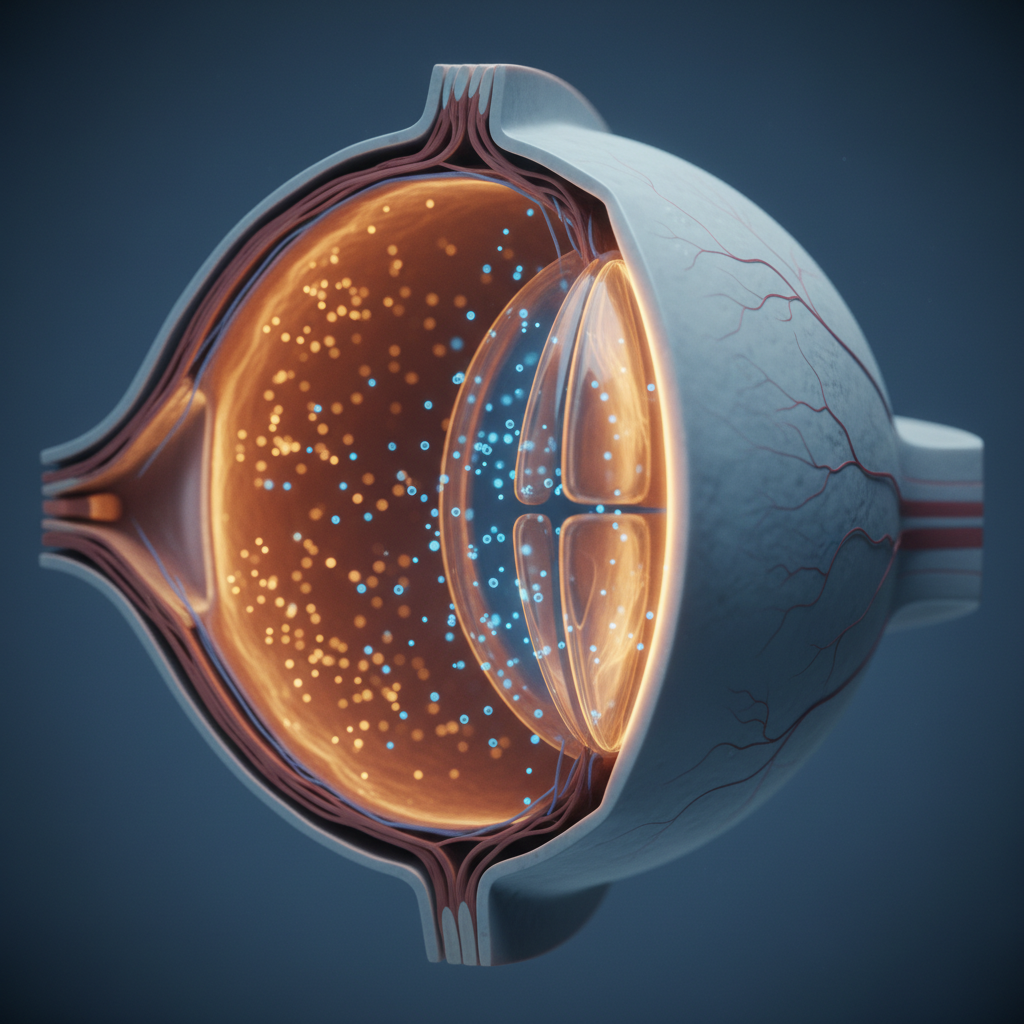
The human eye is one of the most metabolically active organs in the body, requiring a constant supply of antioxidants to neutralize the oxidative stress generated by both ambient light and metabolic processes. Zinc and Vitamin C are not merely "supplements"; they are structural and functional necessities for ocular integrity.
Zinc: The Retinal Gatekeeper
Zinc is found in high concentrations in the uveal tract and the retina, particularly in the retinal pigment epithelium (RPE). Its primary role is to facilitate the transport of Vitamin A from the liver to the retina to produce melanin, a protective pigment that absorbs stray light and reduces glare. Beyond pigment production, zinc is a co-factor for over 300 enzymes, including superoxide dismutase (SOD), which protects retinal cells from the high-energy photons characteristic of digital screens.
Vitamin C: The Aqueous Shield
Unlike most tissues, the aqueous humor of the human eye maintains a concentration of Vitamin C that is significantly higher than that found in the blood. This concentration gradient serves as a primary defense for the crystalline lens. According to the Beaver Dam Eye Study, consistent intake of Vitamin C over a ten-year period was associated with a 60% reduction in the risk of nuclear cataracts. By neutralizing free radicals before they can reach the lens proteins, Vitamin C prevents the yellowing and hardening (sclerosis) that leads to blurred vision and loss of accommodation.
The Synergy Heuristic: The 1:15 Ratio
In clinical practice, the effectiveness of these nutrients is often dictated by their ratio rather than their absolute volume. A common error in self-supplementation is the "high-dose isolate" approach—taking massive amounts of Vitamin C without considering the mineral balance required for absorption and collagen synthesis.
The Zinc-to-Vitamin C Heuristic
Based on observations from integrative eye care and common nutritional patterns, practitioners often recommend a Zinc-to-Vitamin C intake ratio of approximately 1:15 to 1:20.
- Example Calculation: For a baseline of 15mg of zinc, an optimized intake would include roughly 250mg to 300mg of Vitamin C.
- The Logic: Zinc supports the structural protein maintenance of the sclera, while Vitamin C drives the antioxidant protection of the lens. Together, they stabilize the ocular surface, which is the first refractive medium light encounters.
Methodology Note (Heuristic Analysis): This 1:15 ratio is a shop-level practical baseline derived from common dietary gaps observed in digital professionals. It is intended for quick self-checks and is not a clinical prescription. This model assumes a baseline metabolic rate and may vary based on individual absorption factors such as age or pre-existing digestive conditions.
| Parameter | Recommended Range | Unit | Rationale |
|---|---|---|---|
| Zinc (Daily) | 11 - 15 | mg | Facilitates melanin and RPE enzyme function |
| Vitamin C (Daily) | 250 - 500 | mg | Maintains aqueous humor antioxidant levels |
| Ratio (Zn:VitC) | 1:15 - 1:20 | N/A | Balanced for collagen synthesis & absorption |
| Phytate Intake | Low to Moderate | N/A | High phytates can reduce zinc absorption by 50% |
| Supplement Timing | Away from Legumes | N/A | Prevents mineral binding and excretion |
Addressing the Digital Eye Strain (DES) Paradox
Digital Eye Strain is frequently blamed on "blue light toxicity," yet clinical consensus suggests a more nuanced cause. According to Dr. Nicole Bajic of the Cleveland Clinic, DES is primarily a result of reduced blink rates and accommodative fatigue rather than light-induced damage.
When we stare at high-definition screens, our blink rate can drop by up to 66%. This leads to "evaporative dry eye," where the tear film breaks down, creating a microscopically "bumpy" ocular surface. This surface irregularity scatters light, leading to the "ghosting" or "blur" that users perceive as a loss of clarity.
How Nutrients Bridge the Gap
While blue light filtering technology provides an external shield that can improve sleep quality and reduce circadian disruption, Zinc and Vitamin C provide the internal infrastructure to combat the physical symptoms of strain.
- Tear Film Stability: Vitamin C is essential for the health of the conjunctiva and the production of the mucin layer of the tear film, which helps the eye retain moisture during long sessions of digital focus.
- Collagen Integrity: The cornea and sclera are largely composed of collagen. Zinc is a critical component in the cross-linking of these fibers, maintaining the precise shape of the eye required for sharp focus.
For those already experiencing these symptoms, understanding signs of digital eye strain is the first step toward a holistic intervention that combines optical correction with nutritional support.

Bioavailability and the "Plant-Based" Challenge
A significant hurdle in ocular nutrition is the bioavailability of zinc. While many health-conscious consumers favor plant-based diets, these diets are often high in phytates—compounds found in grains and legumes that bind to minerals and prevent their absorption.
The Phytate Inhibition Model
Research indicates that high-phytate meals can reduce zinc absorption by up to 50%. This is particularly relevant for digital professionals who may rely on quick, grain-heavy meals during work hours.
- Practical Adjustment: To maximize "Visual Utility," zinc-rich foods or supplements should be consumed at least two hours away from meals high in unrefined grains or soy.
- The Egg Yolk Advantage: According to research on lutein bioavailability, the lipids found in egg yolks significantly enhance the absorption of carotenoids and minerals compared to vegetable sources. For non-vegans, a single egg yolk can be a more efficient delivery vehicle for eye nutrients than a large serving of spinach.
Scenario Modeling: Tailoring Nutrition to Visual Demand
Visual needs are not monolithic. A user's age and professional environment dictate their specific nutritional and optical requirements.
Scenario A: The High-Velocity Digital Professional
- Profile: 25–40 years old, 8+ hours of screen time, frequent "eye rubbing" and evening headaches.
- Priority: Ocular surface hydration and contrast sensitivity.
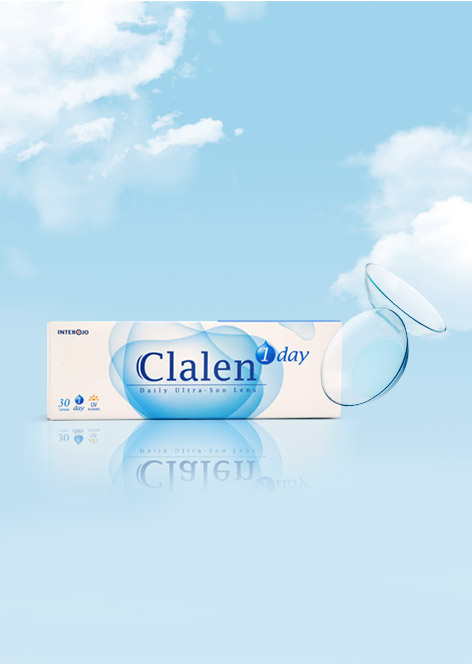
- Strategy: Focus on the 1:15 ratio to support tear film stability. Complement with daily disposable lenses to maintain a fresh, hydrated surface that minimizes the friction caused by reduced blinking.
Scenario B: The Mature "Silver Economy" User
- Profile: 50+ years old, early signs of presbyopia, concerns about long-term macular health.
- Priority: Lens clarity and retinal protection.
- Strategy: Emphasis on high Vitamin C intake (aligned with the Beaver Dam study) to slow lens sclerosis. At this stage, custom prescription readers are essential, as generic OTC glasses lack the precise optical centers needed to prevent the headaches associated with age-related vision changes.
Regulatory Standards and Consumer Trust
In the "Fast-Fashionized" eyewear market, medical trust is often sacrificed for aesthetic speed. However, for a YMYL (Your Money Your Life) category like eye health, adherence to federal standards is the only verifiable metric of quality.
The FDA Impact Resistance Mandate
Under 21 CFR 801.410, every lens sold in the United States, whether prescription or non-prescription, must pass the "Drop Ball Test." This ensures that the lens will not shatter into the eye upon impact—a critical safety feature for those who transition between office work and active lifestyles.
The FTC "Eyeglass Rule"
The FTC Eyeglass Rule empowers consumers by mandating that eye doctors provide a copy of the prescription immediately after an exam. This portability allows users to seek out high-value, high-tech lens coatings—such as those that combine UV400 protection with selective blue light filtration—without being tethered to high-margin traditional retailers.
Practical Steps for Visual Preservation
To bridge the gap between aesthetic discovery and functional health, we recommend the following evidence-based actions:
- Audit Your Ratio: Evaluate your daily intake of Zinc and Vitamin C. If you are a heavy grain consumer, consider shifting your zinc intake to a time of day when phytate interference is minimized.
- Synchronize Your Protection: Do not rely on "blue blockers" alone. Use external filters for circadian management and evening routine, but use internal nutrition to maintain the tear film and contrast sensitivity throughout the day.
- Verify Your Specs: When purchasing eyewear, ensure the provider complies with FDA impact resistance and offers UV400 certification. As noted in PubMed research, the 380–400nm range carries significantly more energy than lower UV bands and requires dedicated filtration.
- The 20-20-20 Rule: To complement nutritional support, every 20 minutes, look at something 20 feet away for 20 seconds. This resets the accommodative system and encourages a natural blink rate.
By treating vision as a holistic system—one that requires both the precision of a medical device and the fuel of targeted nutrition—digital professionals can maintain the "High-Definition" clarity required for their craft while safeguarding their ocular health for the decades to come.
Disclaimer: This article is for informational purposes only and does not constitute professional medical advice, diagnosis, or treatment. Always seek the advice of your ophthalmologist, optometrist, or other qualified health provider with any questions you may have regarding a medical condition. Never disregard professional medical advice or delay in seeking it because of something you have read in this article.
Sources
- National Eye Institute (NEI): AREDS2 Study Results
- PubMed / Beaver Dam Eye Study: Vitamin C and Cataract Risk
- Cleveland Clinic: Digital Eye Strain and Blue Light
- Federal Trade Commission (FTC): The Eyeglass Rule (16 CFR Part 456)
- Food and Drug Administration (FDA): Impact Resistant Lenses (21 CFR 801.410)
- Harvard Health Publishing: Blue Light and Sleep
- PubMed: Zinc Bioavailability and Phytates


