



Back-to-School Glasses Guide: How to Choose the Best Eyeglasses for Kids
Back-to-School Glasses Guide: How to Choose the Best Eyeglasses for Kids
Introduction: The Right Glasses Help Students See Clearly, Learn Comfortably & Feel Confident
A new school year brings new books, new goals, and new routines. While parents prepare school supplies and outfits, one important item should not be overlooked—your child's eyewear.
Students today spend hours reading, studying, using computers, and participating in outdoor activities.
The right pair of glasses should do more than provide clear vision. They should be comfortable enough for all-day wear, durable enough for everyday challenges, and stylish enough to match each student's personality.
1. Start With an Updated Eye Exam Before Buying Glasses
Before choosing new glasses, the first step is making sure your child has an updated prescription.
Children’s vision can change as they grow, especially during school years when reading, studying, and digital device use increase.An updated eye exam helps ensure that glasses provide the correct vision support for:
✔ Seeing the classroom board clearly
✔ Reading books and screens comfortably
✔ Reducing unnecessary visual discomfort

Signs Your Child May Need New Glasses:
· Squinting when looking at distant objects
· Sitting too close to screens
· Frequent eye rubbing
· Headaches after reading
· Difficulty focusing in class
2. Choose Glasses That Match Your Student’s Daily Lifestyle
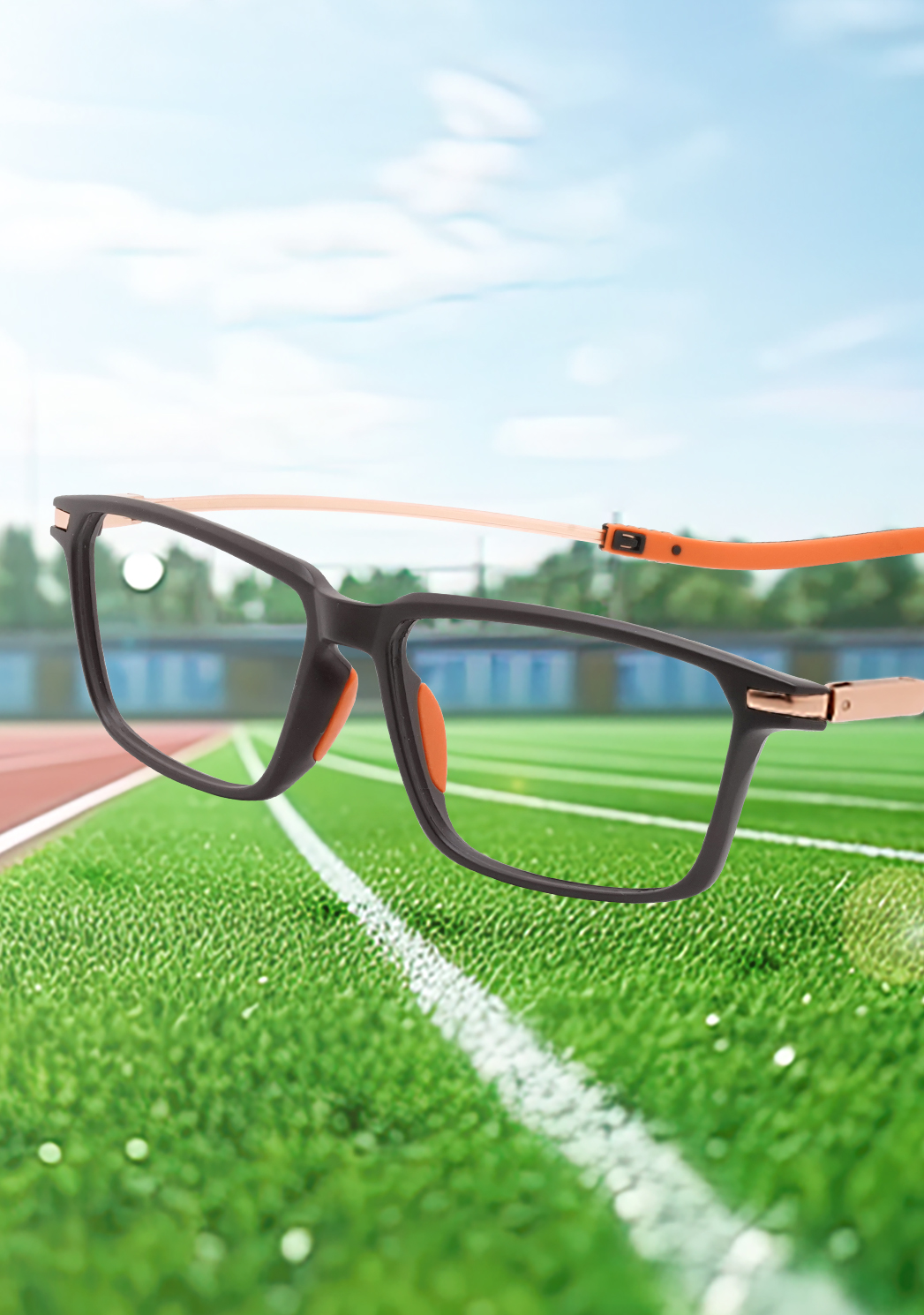
Students wear glasses through many different activities — studying in class, doing homework, playing sports, and spending time outdoors.That’s why the best student glasses should balance comfort, durability, and function.Comfort Comes First.Since many students wear glasses for 8 hours or more every day, lightweight designs are essential.
Look for:
✔ Lightweight frames
✔ Comfortable nose pads
✔ Proper frame size
✔ Secure temple fit

3. Choose Glasses Based on Your Child’s Age
Children’s faces, lifestyles, and needs change as they grow. The perfect glasses should match their age and daily activities.
Ages 3-6:Comfort,Safety & Durability
Young children are active and still developing their daily habits. Their glasses need to handle movement, play, and everyday adventures.
Recommended features:
✔ Flexible frames
✔ Lightweight materials
✔ Secure fit
✔ Comfortable nose bridge
For younger kids, the best glasses are those they forget they are wearing.
Ages 7-9: Learning,Screens & Personal Style
Elementary and middle school students spend more time reading, studying, and using digital devices.
Recommended features:
✔ Lightweight frames for all-day comfort
✔ Blue light lens options
✔ Durable designs
✔ Fun colors and modern styles
At this age, glasses become both a learning tool and a way to express personality.
Ages 10-16: Style,Comfidence & Everyday Performance
Teenagers often care more about how their glasses look and how they fit their personal style.
Popular choices include:
✔ Clear frames
✔ Thin metal frames
✔ Minimalist styles
✔ Vintage-inspired designs
The right pair of glasses can help teenagers feel confident both at school and in social settings.

Quick Age-Based Glasses Guide
Age Group | Main Needs | Recommended Features |
3–6 Years | Safety & Comfort | Flexible frames, lightweight design, secure fit |
7–9 Years | Learning & Lifestyle | Durable frames, blue light lenses, stylish designs |
10–16 Years | Style & Confidence | Trendy frames, lightweight materials, personalized styles |
4. Do Kids Need Blue Light Glasses? What Parents Should Know
Children today are growing up in a world surrounded by digital screens.From online classes and homework assignments to tablets, smartphones, and entertainment, screens have become a normal part of everyday life.For many students, screen time increases significantly during the school year. This has made many parents wonder:“Does my child need blue light glasses?”Blue light glasses are not only designed for children who already wear prescription glasses.For children who spend long periods using digital devices, non-prescription blue light glasses can be an option to improve screen-viewing comfort.
However, blue light glasses should be viewed as part of healthy screen habits — not a replacement for regular eye care.Healthy screen habits are still important:
✔ Regular breaks
✔ Proper viewing distance
✔ Outdoor activities
5. Should Students Have a Backup Pair of Glasses?
For students who rely on glasses every day, having a backup pair can be a smart and practical choice.
Unlike accessories that can simply be replaced later, glasses are an essential tool that students need throughout the school day. If their glasses are lost, damaged, or forgotten, it can immediately affect their ability to see clearly in class, complete assignments, and participate in daily activities.
A spare pair of glasses can provide peace of mind for both parents and students, especially during busy school years.
With affordable eyewear options, families can easily prepare an extra pair without a high cost.

6. Buying Student Glasses Online Guide
Online eyewear shopping offers more choices, convenience, and affordable prices.
Before ordering, remember:
(1) Prepare an Updated Prescription
(2)Know Your PD Measurement
(3)Check Frame Measurements
· Frame width
· Lens width
· Bridge size
· Temple length
(4)Choose a Trusted Eyewear Provider
At Lensmart, we believe every student deserves comfortable, stylish, and affordable eyewear.
Our collection includes kids' prescription glasses and children's sunglasses designed for school, screen time, and outdoor activities. With lightweight TR90 frames, anti-reflective and scratch-resistant lenses, and optional blue light protection, our eyewear is built to support everyday student life.
Combining reliable quality with budget-friendly prices, Lensmart helps families find the right pair for every stage of learning and growing.
FAQs
Q1:How often should students replace their glasses?
Students should replace their glasses whenever their prescription changes, the frames no longer fit properly, or the lenses become scratched or damaged. Regular eye exams can help determine when an update is needed.
Q2:What type of glasses are best for students?
The best student glasses should balance comfort, durability, and style. Since students often wear glasses for many hours every day, lightweight frames are especially important. Parents should also choose frames with the right size for their child's face. A frame that is too large may slide down, while one that is too small feel uncomfortable after long periods of wear.
Q3:How can I help my child adjust to new glasses?
It is normal for children to need some time to adjust to a new pair of glasses, especially when their prescription or frame style changes.
Parents can help by choosing frames their children like, encouraging them to wear glasses regularly, and checking if the glasses are comfortable to wear.
Q4:Should my child have a backup pair?
A backup pair is helpful for students who wear glasses every day.
Q5:Should my child wear sunglasses?
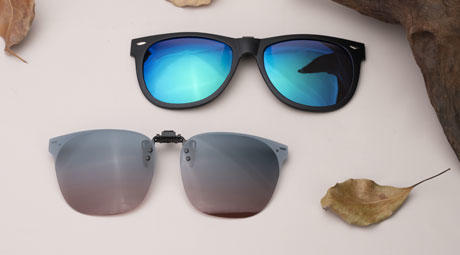
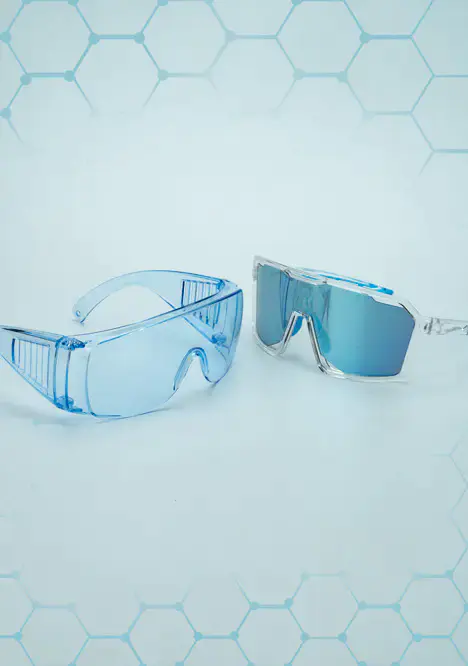
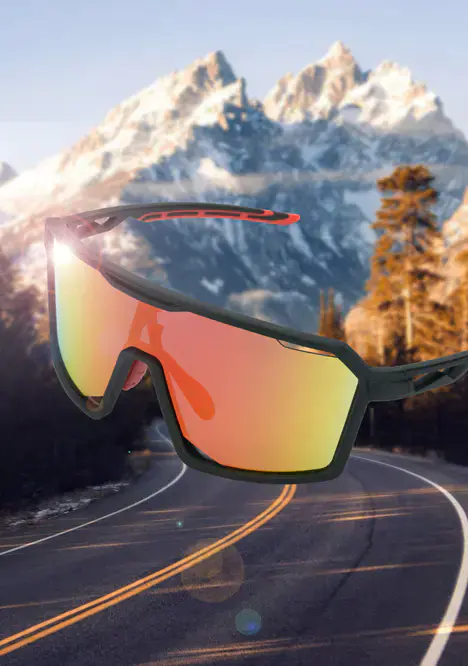
Yes. Children spend a significant amount of time outdoors, and sunglasses can be a useful accessory for outdoor comfort.
Kids’sunglasses with UV protection can help reduce exposure to bright sunlight and glare during outdoor activities.For children who wear prescription glasses, prescription sunglasses can also be considered for outdoor activities.


