




7 Signs Your Child Might Need Glasses (And What Parents Should Do Next)
As parents, it can be difficult to recognize when your child may need prescription glasses. Often, children don't know how to express vision problems, and the signs can be subtle. Early detection is key to ensuring your child can see clearly and comfortably, which is essential for their development, learning, and overall well-being. In this blog, we'll go over the signs that may indicate your child needs glasses and the steps you can take to address it.
Why Early Detection of Vision Issues Matter
Early detection of vision problems is crucial in ensuring that your child can thrive in their everyday activities, from schoolwork to outdoor play. The earlier you spot any signs of eye trouble, the sooner you can correct it with the appropriate prescription glasses. Vision problems that go unnoticed can lead to difficulties with learning, concentration, and social interactions.
The 7 Most Common Signs Your Child Needs Glasses
1. Squinting or Tilting the Head
If your child squints or tilts their head to see things better, it could be a sign of poor vision. Squinting helps to reduce the amount of light coming into their eyes and makes things look clearer, but it’s only a temporary fix. If this happens often, it could mean your child needs glasses.
When kids squint or tilt their head, it’s usually a sign they’re trying to focus on something but can’t see it clearly. This can happen if they have nearsightedness or astigmatism, where objects at a distance are blurry.
2. Sitting Too Close to the TV or Holding Objects Too Close
Does your child sit right in front of the TV or hold their tablet or books very close to their face? This is a common sign of nearsightedness, where your child has trouble seeing things far away. Children with nearsightedness might not be able to see the TV or board at school clearly from a distance, so they sit close to see better.
If you notice this behavior often, it’s a good idea to get their eyes checked. It could mean they need prescription glasses to help with their vision.
3. Frequent Complaints of Headaches
If your child often complains of headaches, especially after reading, using a tablet, or doing homework, it might be caused by eyestrain. Eyestrain happens when the eyes work too hard to focus, which is common for kids who need glasses. The headaches usually happen after long periods of reading or looking at things up close.
If your child often gets headaches after doing these activities, it could be a sign that they need an eye exam.
4. Trouble Reading or Seeing the Board at School
If your child has trouble reading their books or seeing the board at school, it could be a sign of poor vision. They might complain that the words look blurry or that they can’t see the board from their seat. This is especially true if they need to sit up close or ask to move closer to the board.
If you notice your child having trouble with reading or seeing things at school, it’s a good idea to schedule an eye exam.
5. Eye Rubbing or Fatigue
Kids with vision problems often rub their eyes because they’re tired or strained. If your child rubs their eyes a lot, especially after reading, watching TV, or using a screen, it might be because their eyes are working hard to focus. This can happen if they need glasses to correct their vision.
Eye fatigue is also common. If your child looks tired after doing activities that require focus, like reading or homework, it’s another sign that their eyes are straining.
6. Avoiding Activities That Require Focus
If your child suddenly starts avoiding activities like reading, drawing, or playing certain sports, it could be because they’re struggling to see clearly. Kids with vision problems might find it frustrating to focus on objects, so they avoid activities that require close attention. For example, they may not want to read or draw because it’s hard for them to see the details.
They may also avoid sports that require eye coordination, like catching a ball or hitting a target. If your child becomes frustrated or uninterested in activities they used to enjoy, it could be related to their vision.
7. Clumsiness or Poor Hand-Eye Coordination
Vision is important for coordination. If your child is clumsy or has trouble with activities like catching a ball, riding a bike, or drawing, it might be due to poor vision. Children who have trouble seeing objects clearly can also struggle with depth perception, which affects their coordination.
If your child is often bumping into things or having trouble with tasks that require eye-hand coordination, their vision may be the cause.
My Child Has These Signs – What Should I Do?
If you've noticed any of these signs in your child, the next step is to schedule an eye exam with an optometrist or pediatric ophthalmologist. During the exam, the eye doctor will assess your child's vision and determine if they need prescription glasses.
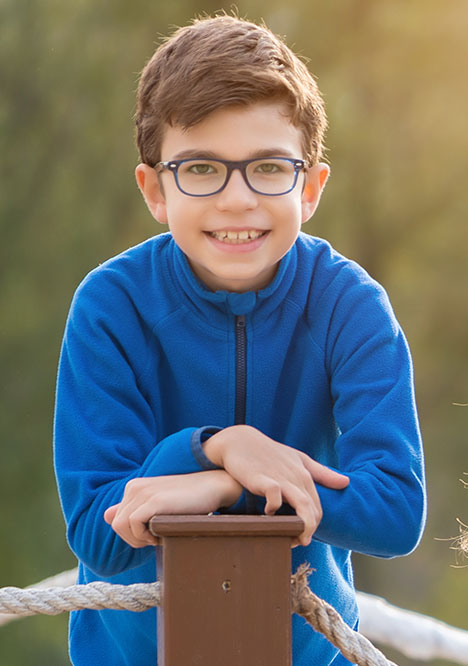
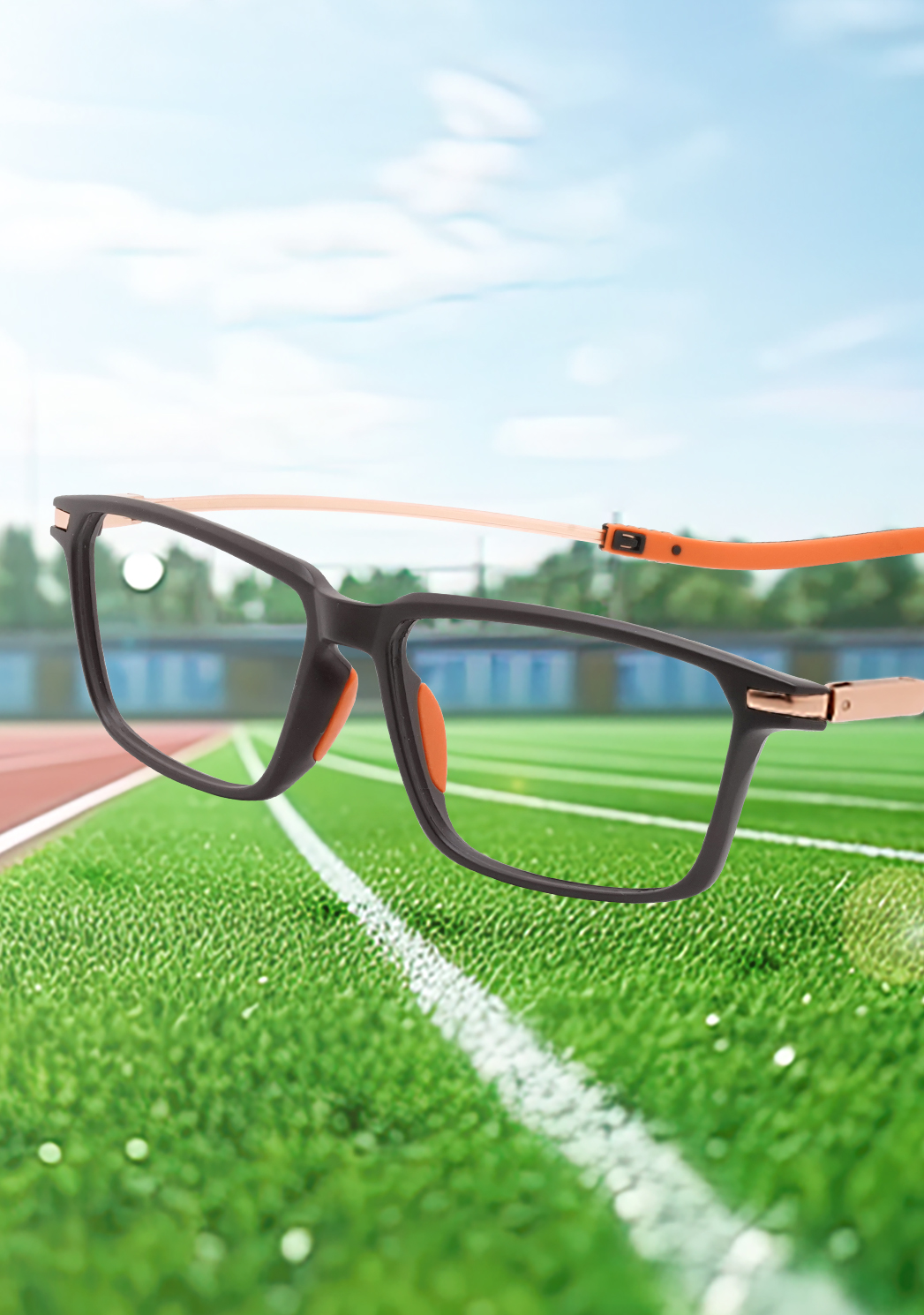
Once a prescription is given, you’ll need to choose the right pair of glasses for your child. Keep in mind that kids may need glasses that are durable and comfortable, especially if they are active or tend to be rough on their belongings.
Polycarbonate glasses, for example, are a great option for children since they are lightweight, impact-resistant, and offer better protection against scratches.
How to Choose the Perfect Glasses for Active Kids
When selecting glasses for your child, durability and comfort are key. Look for sturdy glasses frames that can withstand the wear and tear of everyday life. Polycarbonate glasses are a top choice for children, as they are highly resistant to impact, making them ideal for sports and active play. Consider your child’s personality and preferences when picking glasses. Some children prefer fun, colorful frames, while others might opt for a more neutral style. Be sure to choose glasses that fit properly and don’t slide down their nose, as a poor fit can lead to discomfort and frustration. If you're wondering where to buy glasses online, check out reputable online retailers like Lensmart, which offer a wide range of high-quality, affordable options for kids’ glasses. The best part? You can shop from home and have the glasses delivered right to your door!
For more information on selecting the best glasses for your child, you can check out our guide on finding the right glasses for kids.
Conclusion
If you’ve noticed any of the signs mentioned above, don’t wait—schedule an eye exam and take the necessary steps to ensure your child has the best vision possible. At Lensmart, we offer a wide range of stylish and durable prescription glasses for kids. Browse our collection and give your child the gift of clear vision today.
Frequently Asked Questions About Kids' Vision
Q1: At what age should my child have their first eye exam?
The American Optometric Association recommends that children have their first eye exam at 6 months of age, another at 3 years, and once more before kindergarten. After that, they should have eye exams every two years.
Q2: Can children grow out of vision problems?
Some children may experience temporary vision changes as they grow, but most vision issues, such as nearsightedness, typically require corrective lenses. Early intervention helps manage these issues before they affect your child’s learning and development.
Q3: Can my child wear glasses all day?
Yes! Once your child has prescription glasses, it’s recommended they wear them throughout the day, especially for activities like reading, schoolwork, and outdoor play. This helps them see clearly and comfortably, which is important for their eye health and development.


