







Sport Sunglasses: Gear Up for Peak Performance and Protection
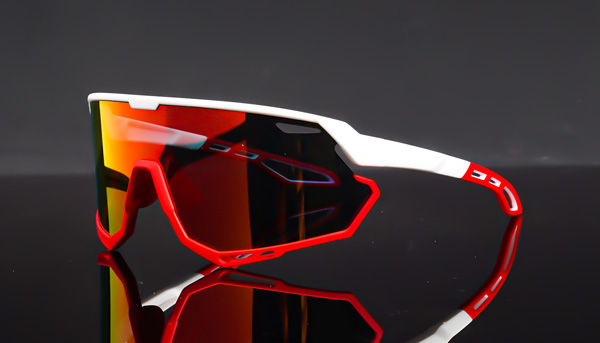
Whether skiing a sun-kissed slope, biking bumpy roads, or angling over calm waters, sport sunglasses are a critical piece of athletic gear. Far beyond fashion, they protect your eyes, sharpen your vision, and directly influence performance.
This guide addresses the importance of sport sunglasses for safety and performance, and addresses how to select the best lens color and technology for your sport.

Why Sport Sunglasses Matter for Performance and Eye Health
Unlike regular sunglasses, sport sunglasses are designed to endure harsh environments while improving visual acuity. The following are some reasons why high-end sport sunglasses make a big difference.
Minimize Visual Distortion
Cheap sunglasses tend to introduce lens distortion, especially at the edges, which compromises depth perception and spatial understanding. This interferes with balance, slows reaction time, and decreases confidence in dynamic situations.
By contrast, sport sunglasses use optically correct lenses that offer an undistorted, high-definition view—essential for precision sports like skiing or mountain biking.
Reduce Eye Fatigue and Strain
Extended exposure to changing light—such as transitioning from shadows to sunlight—fatigues the eyes. Without adaptive lens technology, the eyes must work harder to adjust, resulting in strain, headaches, and compromised visual performance.
Polarized or photochromic lenses alleviate this strain by controlling brightness and glare, allowing athletes to maintain visual focus and comfort over a longer period without overcompensating or squinting.
Enhance Visual Clarity and Reaction Time
High-contrast, clear vision enables faster and more precise decision-making. Modern sport sunglasses often include lens tints or coatings that maximize color discrimination and depth perception, giving the wearer a visual edge in rapidly changing or complex environments.
Sharper contrast and clearer signals mean faster reflexes and safer movement across unpredictable terrain.
Protect Against UV Radiation and Physical Hazards
Outdoor athletes are subject to ultraviolet light, airborne particles, wind, and blunt impact. Premium sport sunglasses provide total protection with options such as:
● UV400 lenses blocking at least 95% of UV rays
● Durable frames constructed of polycarbonate or Trivex
● Wraparound frames for the defense of side vision and exclusion of intruding debris or wind
They shield the eyes from immediate dangers like wind and debris, while also reducing long-term risks such as photokeratitis and macular degeneration.
Best Sport Sunglasses by Activity
Sport-specific conditions require targeted features in eyewear. Below is a breakdown of recommended sunglasses based on major outdoor activities.
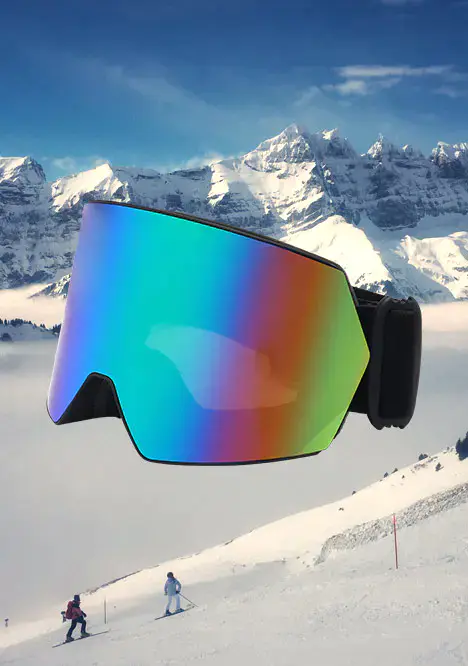
Skiing and Snowboarding
Snow reflects a high percentage of UV rays, significantly increasing glare and the risk of snow blindness. High-altitude conditions further amplify UV exposure.
Recommended Features:
● Polarized lenses to reduce horizontal glare
● Mirror coatings to deflect intense light
● Anti-fog treatments and integrated ventilation
● Wraparound frames for full coverage and wind protection
Best Lens Colors:
Brown, gray, or copper tones for enhanced contrast and terrain visibility on snow.
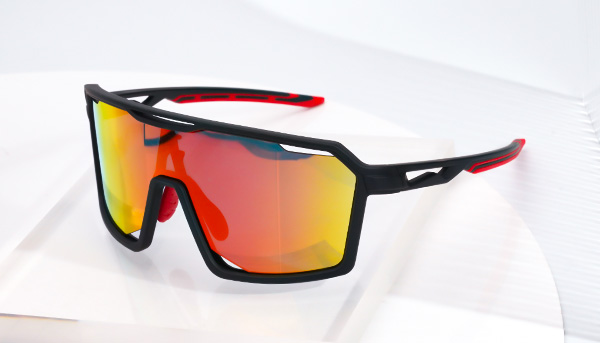
Cycling Glasses for Mountain Biking
Rapid movement through varied terrain and light conditions requires durable, adaptable eyewear. For mountain biking, specifically, cycling glasses should offer the following recommended features:
Recommended Features:
● Shatter-resistant polycarbonate or Trivex lenses
● Photochromic lenses for changing light exposure
● Grippy nose pads and temples for a stable fit
● Ventilated frame design to minimize fogging
Best Lens Colors:
Amber or rose lenses for low-light forest trails; gray lenses for open and sunlit areas.
Fishing
Fishing involves long exposure to sunlight reflected from water surfaces, making glare control critical.
Recommended Features:
● Polarized lenses for maximum glare reduction
● Hydrophobic and oleophobic lens coatings
● UV400 protection for prolonged sun exposure
● Mirror coatings tailored for water type: blue for saltwater, green for freshwater
Best Lens Colors:
Copper or amber for early mornings or overcast skies; gray for full sun; blue mirror for offshore fishing.
Hiking and Trekking
Extended outdoor exposure across varied elevations and environments demands lightweight, comfortable protection. For hiking and trekking, specialized hiking sunglasses are crucial for safeguarding vision and enhancing the outdoor experience.
Recommended Features:
● Full-spectrum UV protection
● Scratch-resistant coatings for trail durability
● Adjustable nose pads and anti-slip arms for long wear
● Lightweight frames with impact resistance
Best Lens Colors:
Brown or rose lenses for highlighting texture and depth; gray for general sun protection across conditions.
Choosing the Right Lens Color for Your Environment
Lens color plays a functional role in how you perceive your surroundings. Selecting the appropriate tint can significantly enhance your performance and comfort.
Lens Color | Best For | Primary Benefits |
Gray | Bright sun, general use | Reduces overall brightness without altering color perception |
Brown/Copper | Hiking, skiing, fishing | Enhances contrast and depth; ideal for variable terrain |
Amber/Yellow | Foggy or low-light conditions | Boosts brightness and contrast on overcast days |
Green | Mixed environments, golf, fishing | Balances contrast with color accuracy; reduces eye strain |
Blue Mirror | Saltwater fishing, snow sports | Reduces glare from highly reflective surfaces |
Rose | Trail running, mountain biking | Increases contrast; soothing for extended wear |
Tip: If your sport involves changing light conditions, consider sunglasses with interchangeable lenses or photochromic technology to maintain optimal clarity and comfort.
How to Choose the Best Sport Sunglasses
Choosing the appropriate sport sunglasses is more than aesthetics. Focus first on protection, performance, and fit with the following standards.
Place Fit and Stability First
An optimal fit keeps the sunglasses in place while moving without putting pressure points. Look for:
● Wraparound frames for maximum protection
● Adjustable nose pieces for a personalized fit
● Grip-rich rubber arms to prevent slipping while straining
Select the Proper Lens Material
Optical clarity and toughness are critical. Opt for:
● Polycarbonate: Light and impact-resistant, ideal for most sports
● Trivex: Offers even more clarity with the same impact protection
● Nylon: Flexible and lightweight for curved, wraparound frames
Avoid glass lenses for sports, as they are heavier and have a higher chance of shattering.
Ensure Full UV Protection
Ensure to only use sunglasses that are UV400 marked, i.e., that they block at least 95% UVA and UVB light. UV protection is a year-round feature, especially at high altitudes or in front of reflective surfaces like water or snow.
Choose Lens Technology That Matches Your Sport
Employ sport-specific environmental factors when choosing lens features:
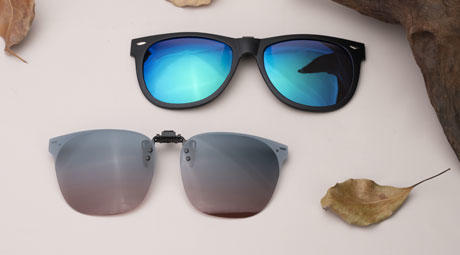
● Polarized lenses: Reduce glare from water, roads, and snow
● Photochromic lenses: Automatically adjust for lighting changes
● Mirror coatings: Deflect intense sunlight
● Anti-fog and hydrophobic coatings: Prevent lens disturbance for high-intensity or wet conditions
Choose a light, durable frame
Look for materials like TR90 or rubberized nylon, which are flexible, sweat-resistant, and highly durable. Seamless hinges and joint reinforcements also give long-term wear and performance under rough conditions.
Final Thoughts: Upgrade Every Outdoor Adventure
Great sports sunglasses don’t just protect—they elevate your entire experience. By enhancing vision, reducing fatigue, and safeguarding eye well-being, they allow athletes to perform at their best in every situation.
Whether you’re navigating trails, skiing backcountry routes, or casting from a shoreline, the right pair of sunglasses will provide clarity, comfort, and confidence.
Frequently Asked Questions
Do polarized sunglasses work for all sports?
Polarized lenses work well to slice glare off water, snow, and road surfaces. But they can impair reading from digital displays or depth perception in specific sports. For skiing or cycling, consider whether polarization is ideal for your specific requirement.
Are photochromic lenses suitable for rapidly changing conditions?
Yes. Photochromic lenses perform satisfactorily under conditions of repeated on-and-off sun and shade exposure, such as mountain biking or trail running. The speed of adaptation will depend on temperature and quality, however.
What is UV protection compared to polarization?
UV protection excludes harmful ultraviolet rays, which can damage your eyes after a while. Polarization reduces glare from shiny surfaces. The two functions are for different uses and should, if possible, be combined in sport sunglasses.


